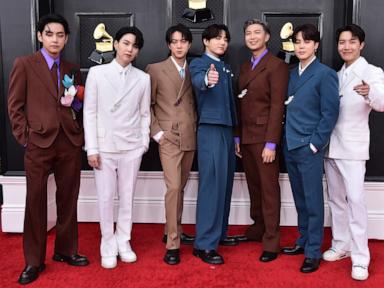
The iHeartRadio Music Festival has secured BTS, Cardi B, Lainey Wilson, Muse, and Snoop Dogg for its latest iteration, a roster clearly engineered to arrest declining traditional broadcast ratings. By cramming K-pop royalty, hip-hop heavyweights, country darlings, and legacy rock radio staples onto a single ticket, parent company iHeartMedia is attempting to solve a modern media crisis. This aggressive cross-genre strategy is a calculated defensive maneuver designed to force fragmented digital subcultures back into a centralized, advertiser-friendly ecosystem.
The Fragmented Audience Problem
Music festivals used to be tribal. You attended a rock festival to sweat alongside rock fans, or you bought a ticket to a hip-hop showcase to immerse yourself in the culture. The modern iHeartRadio Music Festival rejects this legacy blueprint entirely.
Radio conglomerates no longer have the luxury of catering to a single demographic. The data paints a stark picture of the current media environment. Gen Z has largely abandoned terrestrial radio, migrating instead to algorithmic streaming playlists and short-form video platforms. Meanwhile, older demographics remain loyal to the dashboard dial but lack the explosive social media engagement metrics that major brand sponsors demand.
By placing BTS on the exact same marquee as Muse and Lainey Wilson, the organizers are attempting to construct a synthetic monoculture. It is a brute-force method of audience aggregation. For two nights, the passionate, hyper-digital fanbase of a global pop phenomenon is forced to share digital space with traditional rock enthusiasts and country music purists.
This strategy is not born out of creative synergy. It is a survival mechanism for a broadcast giant that desperately needs to show advertisers millions of concurrent impressions across every conceivable demographic index.
The Corporate Math of Cross Genre Bookings
To understand the sheer scale of this lineup, one must examine the underlying mechanics of modern media sponsorships. Traditional 30-second radio spots are depreciating assets. The real money in modern broadcasting flows through integrated multi-platform activations.
Major corporate sponsors do not want to buy ad space on a local alternative rock station anymore. They want access to a massive, verified global audience that they can target across digital streaming apps, social media channels, and live broadcasts simultaneously.
The Demographic Breakdown
- BTS: Delivers the elusive, highly organized global youth demographic that drives worldwide social media trends within seconds.
- Cardi B and Snoop Dogg: Secure the cultural capital, streaming dominance, and cross-generational appeal across urban and pop formats.
- Lainey Wilson: Taps into the booming country music gold rush, which is currently driving massive physical ticket sales and high advertiser engagement in lucrative regional markets.
- Muse: Assures the legacy rock crowd and traditional radio programmers that the festival still respects the guitar-driven roots of terrestrial broadcasting.
This diverse roster functions exactly like a hedged investment portfolio. If one demographic segment underperforms or loses interest, the others compensate to keep the overall viewership numbers stable.
The logistical nightmare of executing such a varied festival is immense. The production team must pivot from the intricate, synchronized choreography requirements of a K-pop ensemble to the raw, high-decibel stadium rock setups of a band like Muse within a matter of minutes. These fast transitions require a massive backstage infrastructure that eats into the event's profit margins, yet iHeartMedia views this operational headache as a necessary cost of doing business.
The Leverage Play Behind the Radio Dial
There is a unspoken transaction that occurs when a superstar artist agrees to play a promotional festival. For an artist, a headlining slot at this event is not merely a paid gig; it is a strategic investment in their relationship with the largest owner of AM and FM radio stations in the United Kingdom and global syndication networks.
Radio airplay still matters immensely for charting metrics and mainstream visibility. Even in an era dominated by streaming playlists, a high-rotation spot on national radio networks can push a bubbling single into a legitimate cultural phenomenon.
When major artists accept these invitations, they are often securing goodwill from the executives who control the playlists. It is an intricate dance of mutual dependence. The festival gets the star power required to sell out arena floors and command premium broadcast sponsorship rates. In return, the labels and artists receive subtle assurances that their upcoming promotional cycles will find a welcoming home across hundreds of broadcast stations.
This system works perfectly for established superstars and major-label priority acts. However, it leaves independent artists and emerging talent out in the cold. The hyper-consolidation of the live music industry and broadcast media means that festival stages are increasingly reserved for a select circle of elite hitmakers who can guarantee immediate, massive scale.
The Illusion of Live Energy on Broadcast Television
Capturing the chaotic, unpredictable energy of a live concert and translating it into a polished, advertiser-safe television broadcast is an inherently contradictory task. The festival must serve two masters simultaneously: the sweaty, ecstatic fans in the arena and the casual viewers watching a highly compressed stream at home.
This tension is visible in every aspect of the event's production design. The stage lighting is optimized for television cameras, sometimes at the expense of the live audience's sightlines. The setlists are stripped of deep cuts and experimental tracks, reduced instead to a relentless parade of recognizable radio edits and familiar hooks.
Audiences are smart. They can sense when a performance is being treated as a television taping rather than a genuine live exchange. The challenge for artists like Cardi B or Muse is to break through this corporate gloss and deliver something that feels dangerous and authentic.
When an artist manages to create a genuinely unscripted, raw moment on that stage, it happens in spite of the corporate framework, not because of it. Those rare, viral moments are what keep the festival relevant in the cultural conversation, providing the essential edge that prevents the entire enterprise from feeling like a giant, live-action commercial.
Why the Megafestival Model is Precarious
The strategy of stacking a lineup with massive names across unrelated genres is highly effective in the short term, but it exposes a deeper vulnerability in the entertainment industry. Relying entirely on a rotating cast of global superstars is an expensive, unsustainable way to maintain cultural relevance.
Artist fees for stadium-level talent have skyrocketed over the past decade. As the cost of securing these performers increases, the pressure on ticket pricing and sponsorship monetization becomes immense. The average music fan is increasingly priced out of these events, transforming the live audience into a corporate crowd of VIP ticket holders and brand executives.
If the industry continues to prioritize these massive, centralized mega-events over the development of smaller, genre-specific scenes, it risks starving the roots of the musical ecosystem. A healthy music culture requires a steady pipeline of small venues, independent promoters, and mid-tier festivals where artists can build authentic communities over time.
The current strategy treats music as a liquid commodity to be aggregated, packaged, and sold to the highest bidder. While this approach will undoubtedly yield impressive quarterly metrics and high viewer counts for the upcoming broadcast cycle, it does nothing to address the long-term fragmentation of the audience. The industry is building larger, more expensive nets to catch a school of fish that has already scattered into deeper, darker waters.