The waters have receded from Alberta’s backcountry, but the crisis in Kananaskis Country is far from over. While local tourism officials trumpet the reopening of front-country campgrounds, the reality on the ground is starkly different for anyone looking to venture beyond the asphalt. The recent deluge did more than wash away gravel; it fundamentally altered the structural integrity of the region's most popular trail networks.
Park officials face a daunting backlog of structural assessments. Hikers arriving at trailheads are meeting locked gates, yellow tape, and vague timelines. The primary issue is no longer standing water or immediate flood danger. It is the invisible instability left in the wake of torrential rain.
The Illusion of Recovery
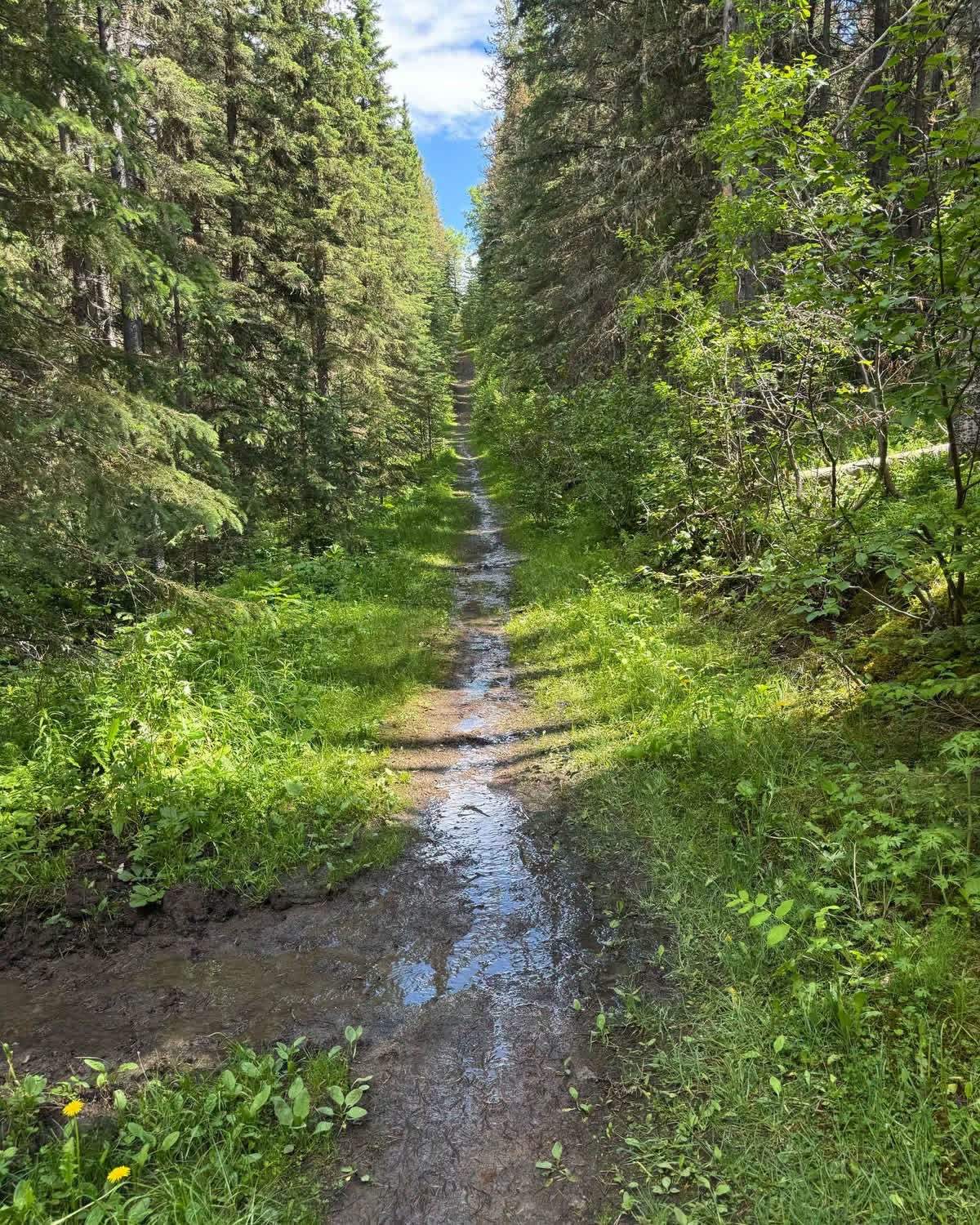
Drive through the marquee corridors of Kananaskis right now and everything looks fine. The sun is out. The pavement is dry. This visual clarity creates a dangerous disconnect for visitors who assume a dry trail is a safe trail.
When a massive volume of water moves through a mountain valley, it behaves like a bulldozer. It undermines banks, hollows out trailbeds from underneath, and compromises the root systems holding steep slopes together. A path that looks perfectly solid to an untrained eye can actually be a bridge over empty space.
The provincial government’s current strategy relies heavily on public compliance, yet the communication pipeline is broken. Visitors find conflicting information between outdated website notices and the reality of a closed sign at the trailhead. This gap drives frustration, and frustration drives people to ignore the rules.
Why the Backcountry Stays Closed
Public land management is inherently risk-averse, and for good reason. If a footbridge fails under a hiker five kilometers from the nearest road, the rescue operation requires significant resources and puts emergency personnel at risk.
Geotechnical assessments take time. Alberta Parks does not have an army of engineers waiting to hike into the backcountry with ground-penetrating radar. They have a handful of overstretched field staff who must prioritize high-traffic infrastructure over remote hiking routes.
- Bridges: Footbridges are frequently dislodged or structurally compromised by floating debris. Even if a bridge appears intact, the abutments anchoring it to the stream bank may be entirely washed out.
- Slope Stability: The saturated soil on steep switchbacks remains prone to localized micro-slides. One heavy footstep can trigger a collapse.
- Wildlife Displacement: Flooding forces apex predators down from high-elevation habitats into the valley bottoms, increasing the probability of negative human-wildlife encounters along surviving trail corridors.
Consider a hypothetical scenario where a trail crew discovers a minor washout on a popular ridge route. Repairing that single section requires hauling rock, timber, and tools by hand or helicopter. Multiply that by dozens of damaged sections across a park system that spans over 4,000 square kilometers, and the logistical nightmare becomes clear.
The Economic Pressure to Reopen Too Soon
There is immense friction between environmental reality and economic necessity. Kananaskis is an economic engine for local guide services, gear shops, and hospitality businesses in nearby Canmore and Calgary. Every week a major trail remains closed represents lost revenue.
This friction creates a quiet battleground. Business operators push for rapid reopenings, arguing that hikers understand the inherent risks of the mountains. On the other side, park rangers face the legal and moral liability of certifying a trail as safe for the general public.
The compromise is often a partial reopening that satisfies no one. Popular, hardened trails near major highways get fixed first because they generate the highest visitor volume. The wilder, more remote routes are left to rot at the bottom of the priority list. This creates an artificial concentration of hikers on a few select paths, leading to overcrowding, accelerated trail degradation, and a diminished wilderness experience.
The Long Road to Climate Resiliency
We can no longer treat these flood events as anomalies. They are structural constants. The traditional way of building trails in western Canada—carving a dirt path along a natural bench and crossing streams with basic timber stringers—is obsolete.
Rebuilding the Kananaskis trail network requires a shift toward climate-resilient infrastructure. This means elevated boardwalks through flood-prone flats, engineered steel-frame bridges anchored deep into bedrock, and sophisticated water-diversion trenches built directly into switchbacks.
None of this is cheap. It requires sustained, long-term capital investment from a provincial government that historically views parks funding as a discretionary luxury rather than essential infrastructure. The Conservation Pass revenue was supposed to bridge this gap, yet critics rightly question exactly how much of that money is hitting the dirt versus disappearing into general administrative coffers.
A Different Approach for Displaced Hikers
If you are planning a trip to Kananaskis right now, you must change your mindset. The old itineraries are useless. Seeking out obscure, unmaintained routes to avoid the crowds will only land you in dangerous terrain or earn you a hefty fine for entering closed areas.
Adaptation is the only viable strategy. Focus on the front-country day-use areas that have already been vetted and cleared by staff. Explore the paved bike pathways or shift your focus to water-based activities on the reservoirs where trail conditions are irrelevant.
The mountains are indifferent to vacation schedules. Demanding access to compromised landscapes only ensures that the eventual repairs will take longer and cost more. The true test of outdoor stewardship isn't how hard you can push into the backcountry; it is knowing when to give the landscape room to heal.