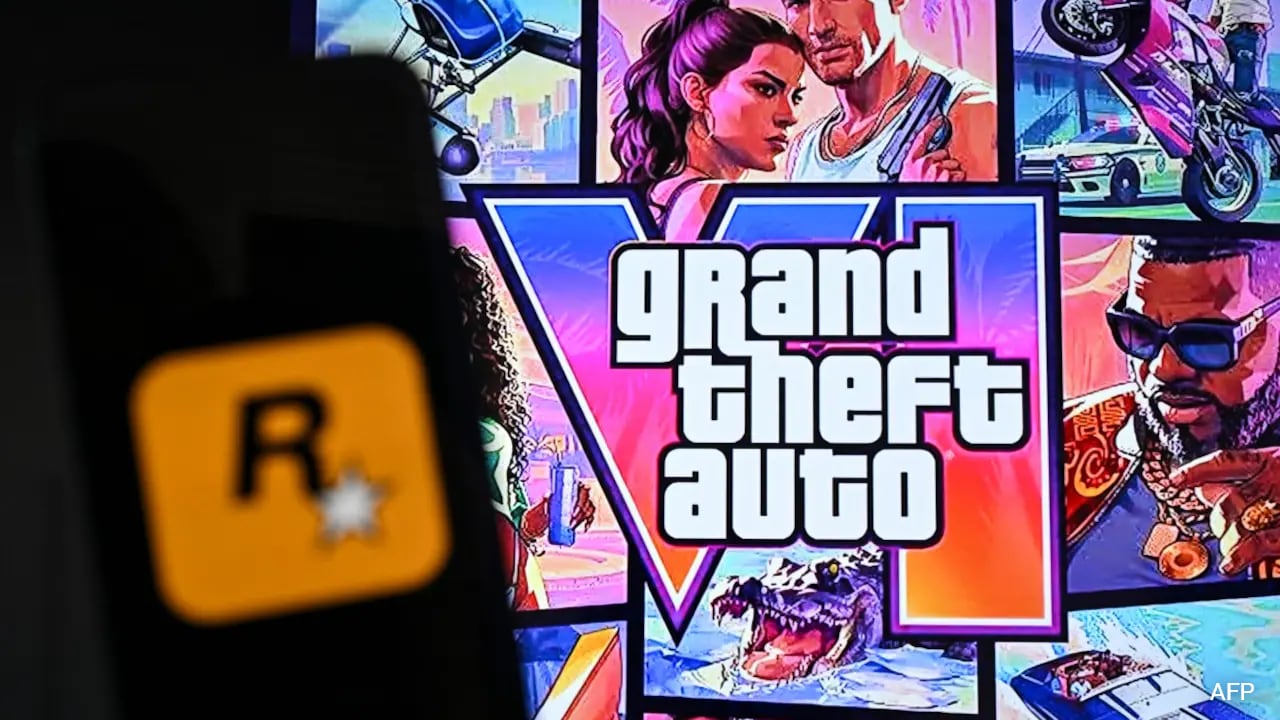
When a PlayStation Network outage collides with the launch window of a generational title like Grand Theft Auto 6, millions of players are instantly locked out of digital storefronts, license verifications, and online services. The root cause is rarely a single broken server or a simple lack of preparation. Instead, these disruptions stem from the violent collision between extreme, synchronized traffic spikes, strict digital rights management handshakes, and the cascading failure of authentication gateways that cannot scale as fast as human anticipation.
If you have covered the video game industry for any meaningful stretch of time, the pattern becomes depressingly familiar. A massive title approaches release. Countdown timers hit zero. Within seconds, social media feeds flood with error codes, stuck download bars, and mounting frustration.
Most surface-level news coverage treats these moments like isolated weather events—unfortunate storms that pass once engineers flip a switch. That framing misses the structural reality of modern console ecosystems. When Sony's network buckles under the weight of a Grand Theft Auto launch, it exposes the fragile architecture underpinning how we buy, verify, and play modern video games.
The Anatomy of a Launch Day Traffic Tsunami
To understand why a network built to handle tens of millions of daily active users suddenly collapses, you have to look at the difference between normal traffic and synchronized demand. On an average Tuesday evening, players log in gradually across time zones, download patches in the background, and browse the PlayStation Store at a steady, predictable pace. Cloud infrastructure handles this effortlessly because load balancers have plenty of time to spin up additional virtual machines as traffic rises.
A global midnight launch breaks every rule of gradual scaling.
Consider a hypothetical example of what happens at 12:00 AM Eastern Time. Suppose five million console owners hit the "download" or "launch" button within the exact same sixty-second window. Even the most sophisticated auto-scaling cloud architecture requires time to provision new server instances, route traffic, and warm up caches. When millions of requests arrive simultaneously, they slam into the front door before the building can expand.
This phenomenon is known in systems engineering as a thundering herd problem. Every console sends a barrage of automated requests: checking for day-one patches, verifying account standing, syncing cloud saves, and validating digital ownership. When the first wave of requests times out, the consoles do not simply give up. Their programmed retry logic immediately fires off another wave of requests, effectively turning millions of paying customers into an accidental Distributed Denial of Service attack against Sony's own infrastructure.
Why Authentication Servers Fail First
During a major PlayStation Network outage, you will often notice a strange discrepancy. Some players can still stream video apps or browse parts of the store, while others cannot sign into their accounts or launch games already sitting on their hard drives.
This happens because modern networks are segmented into distinct microservices. Content Delivery Networks, or CDNs, are remarkably good at pushing massive raw data files—like a 150-gigabyte game installation—across the globe. Companies like Akamai and Cloudflare maintain edge servers physically close to players, meaning the actual bandwidth required to download a game is rarely the bottleneck.
The real choke point is identity and authentication. Before a single byte of data can be authorized, your console must communicate with centralized database clusters to prove who you are and confirm what you own. Unlike static game files that can be copied and cached on thousands of edge servers worldwide, account databases require strict consistency. Two servers cannot disagree on whether you purchased a license or whether your subscription is active. Because these database transactions must be verified centrally and securely, they cannot be easily distributed to the edge of the network. When authentication queues back up, the entire ecosystem grinds to a halt.
The Hidden Tax of Digital Rights Management
Twenty years ago, a PlayStation network outage on the launch night of a single-player crime epic would have been a minor inconvenience. You walked out of a midnight retail line, drove home, slid a physical disc into the tray, and played until sunrise. The console did not care if an ethernet cable was plugged in.
Today, convenience has quietly traded away ownership resilience. Even if you pre-loaded a digital copy of Grand Theft Auto 6 days before release, the files sitting on your solid-state drive are encrypted. Unlocking them requires a cryptographic key delivered by PlayStation servers at the exact moment the release timer expires.
If PSN goes down five minutes before unlock, that encrypted file is useless data taking up space. Worse still, players who have not designated their current PlayStation 5 as their primary console—a common scenario in households with multiple systems or among players who recently upgraded hardware—face an even harsher reality. Without an active connection to verify the license every few hours, the console locks the user out of their entire digital library, including single-player games that require zero online functionality to run.
The Day-One Patch Bottleneck
Physical media no longer offers complete immunity from server downtime. Modern development timelines rely heavily on the day-one patch, a massive update compiled in the final weeks between when discs are pressed at the factory and when the game hits store shelves.
When a game of Rockstar's scale launches, the version stamped onto the retail disc is often missing critical performance optimizations, bug fixes, or even the final chunks of game data required to progress past the opening hours. If PlayStation Network servers are unresponsive, inserting a physical disc forces the console into an awkward standoff. You can sometimes bypass the network prompt and play an unpatched, unstable build offline, or you can stare at a frozen update screen while waiting for Sony's patch servers to recover. Neither option reflects the seamless experience promised by a seventy-dollar price tag.
Why Sony Cannot Simply Buy More Servers
Whenever a high-profile outage trends online, the loudest chorus of critics demands to know why a multi-billion-dollar corporation does not simply purchase more server capacity. On paper, it sounds obvious. Sony generates massive revenue from PlayStation Plus subscriptions specifically billed as funding online infrastructure.
The financial and engineering reality is far more complicated. Building out permanent server capacity capable of absorbing the single biggest traffic spike of the decade—such as a Grand Theft Auto release—means paying to maintain, cool, and power thousands of high-end servers that will sit completely idle 99 percent of the year. No publicly traded company builds permanent physical infrastructure for its absolute worst-case outlier event.
Instead, platform holders rely on elastic cloud computing partnerships to rent extra capacity during peak periods. Yet even rented cloud capacity has hard limits. API rate limits, database lock contention, and third-party payment gateway bottlenecks cannot be solved simply by throwing more hardware at the problem. If a single poorly optimized database query slows down by fifty milliseconds under heavy load, adding ten thousand more web servers simply sends ten thousand times more traffic into that exact same database bottleneck, crashing it faster.
The Ripple Effect Across Third-Party Infrastructure
Blaming Sony alone also ignores how deeply interconnected modern game launches have become. When you boot up a Rockstar title, your PlayStation 5 is not just talking to PlayStation Network. It is simultaneously pinging Rockstar's own Social Club authentication servers, telemetry trackers, anti-cheat verification systems, and age-gating compliance databases.
If Rockstar's backend stumbles under the load, the console may hang on a loading screen, leading players to assume PSN is down. Conversely, if PSN's account linking API slows to a crawl, Rockstar's servers reject the login handshake, locking players out of online modes. Diagnosing these failures in real time requires engineers from multiple companies—often working across different continents and corporate boundaries—to trace failing packets through a labyrinth of shared dependencies.
What Players Can Actually Do When Networks Buckle
Waiting out an outage while refreshing status pages is a miserable way to spend a launch night, yet most players accidentally make the problem worse for themselves. Understanding how console operating systems handle network drops can help you bypass unnecessary lockouts.
First, check whether the disruption is a full platform outage or an isolated authentication stall. Sony's official PlayStation Network status page frequently lags behind real-world failures by twenty to forty minutes because automated monitoring tools take time to register regional packet loss. Crowdsourced outage trackers and community forums usually reflect problems within seconds.
If you already have a game downloaded and unlocked, immediately toggle your console's internet connection off in the system settings. Modern consoles continuously poll background servers for friend lists, trophy syncs, and store advertisements. When PSN is degraded, those background network calls can hang, causing the console's user interface to freeze or preventing single-player games from booting past the title screen. Cutting the connection forces the operating system to skip network checks entirely and boot directly into local play.
Second, verify your Console Sharing and Offline Play settings long before any major release window. Enabling this feature stores an offline license token locally on your hardware. It is the single most effective safeguard against losing access to your digital library during server downtime, yet millions of players leave it disabled by default after upgrading consoles.
Finally, stop hammering the retry button. When an error code pops up during login or license verification, repeatedly spamming the controller forces your console to flood the local network queue with conflicting requests. Give the system two to three minutes between attempts so previous timeout states can clear properly.
The Structural Paradox of Modern Gaming
The industry has spent the last decade pushing consumers away from physical discs and toward an all-digital, always-connected future. Digital storefronts offer higher profit margins for publishers, eliminate retail manufacturing costs, and allow developers to update games continuously after release.
Yet every major launch outage exposes the fundamental flaw in that bargain. By tying basic access to entertainment directly to centralized authentication servers, platform holders have created single points of failure that inevitably buckle under the exact moments of cultural excitement they spend hundreds of millions of dollars trying to generate. Until console architectures decouple local game execution from constant server validation, the biggest nights in gaming will remain at the mercy of a loading wheel.