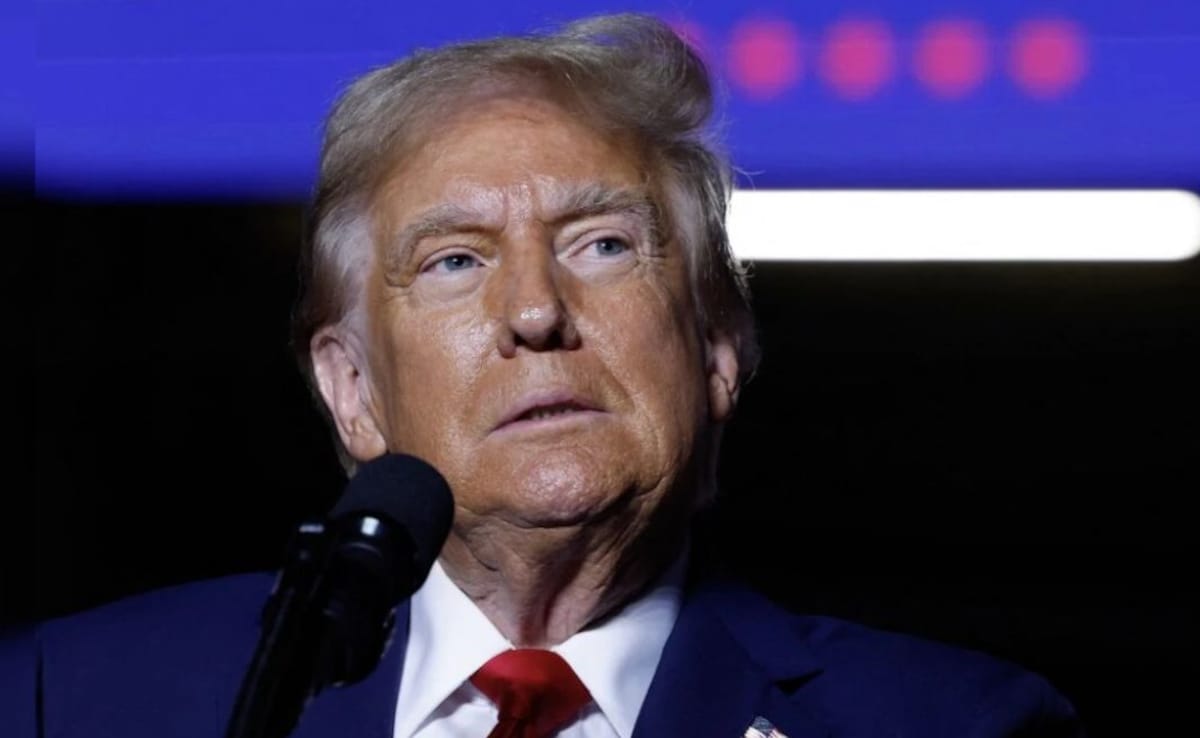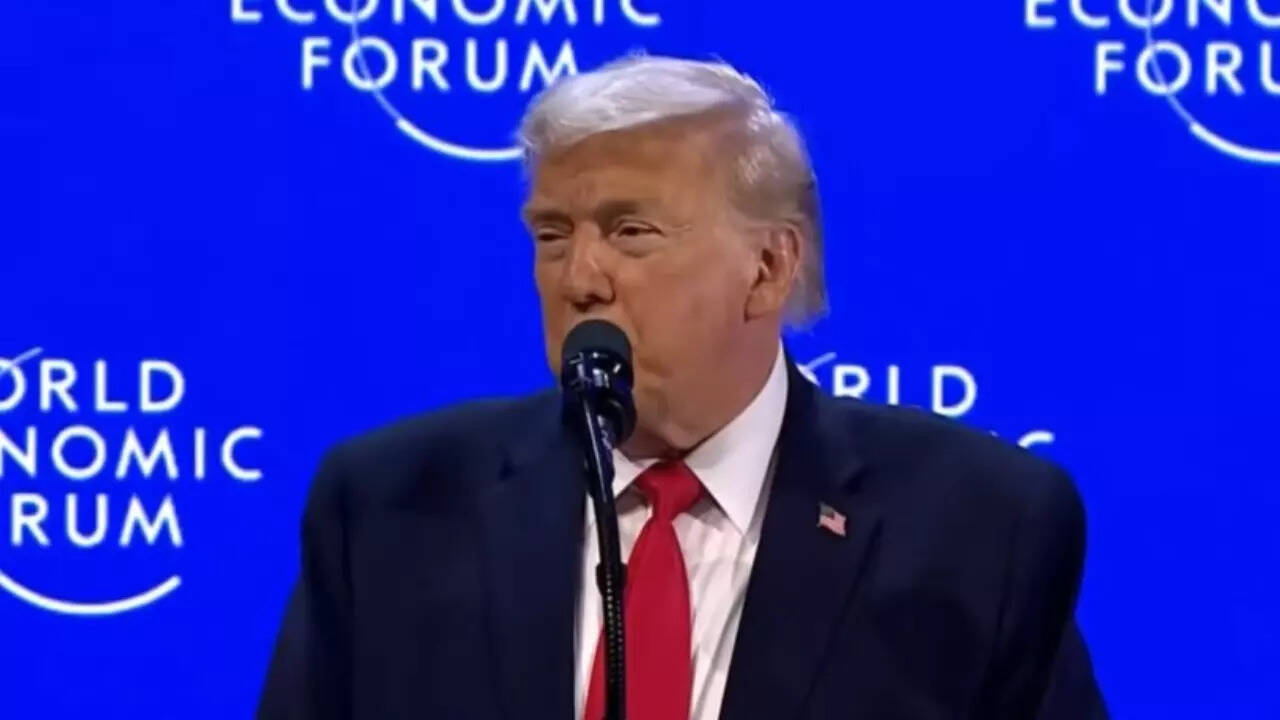
Donald Trump claims the Iranian regime is finally ready to talk, and he has signaled his willingness to meet them at the table. This announcement, delivered with characteristic bravado from Mar-a-Lago, comes less than forty-eight hours after a seismic U.S.-Israeli military operation fundamentally altered the Middle East by eliminating Iran’s Supreme Leader, Ayatollah Ali Khamenei. While the President frames this as a triumph of "peace through strength," the reality on the ground is a chaotic scramble for survival by a transitional Iranian leadership council that is currently governing from bunkers while their cities burn.
The primary question is no longer whether Iran will negotiate, but rather who is actually left to sign a document. Trump himself admitted in a recent interview that many of the diplomatic interlocutors Washington had been tracking for months are "gone"—a blunt euphemism for the high-value target list executed during Operation Epic Fury. By agreeing to talks now, Trump is betting that a regime in a state of total collapse will accept terms that were unthinkable just a week ago, including the total dismantling of its nuclear infrastructure and the abandonment of its regional proxy network.
The Calculus of a Decapitation Strike
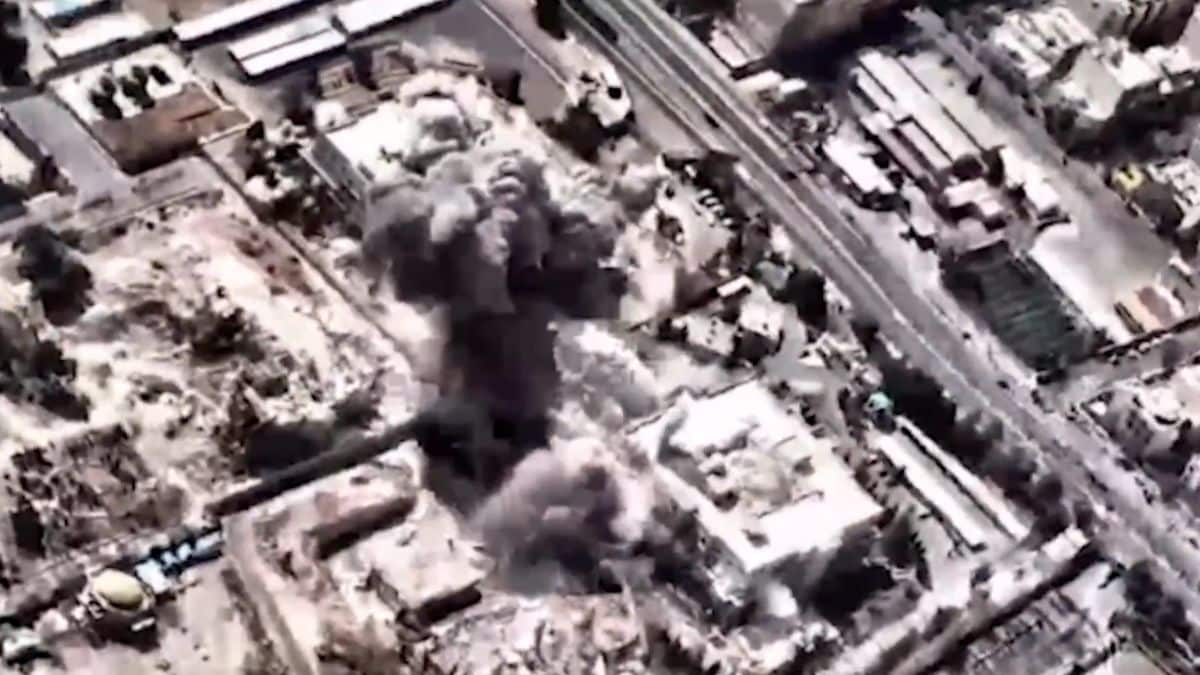
The military operation that cleared the path for this "dialogue" was not a mere warning shot. It was a surgical removal of the Islamic Republic’s nervous system. Intelligence reports indicate that alongside Khamenei, the armed forces chief of staff and several high-ranking commanders of the Islamic Revolutionary Guard Corps (IRGC) were neutralized in a daylight strike on the Supreme Leader’s residence.
Trump’s strategy hinges on a ruthless logic. He spent much of 2025 and early 2026 oscillating between "maximum pressure" sanctions and high-stakes summits in Oman and Switzerland. When those talks stalled over Iran’s refusal to ship its enriched uranium to the United States, the administration shifted from coercion to kinetic force. The President’s current stance is that the Iranians "played too cute" and waited too long to accept a practical deal. Now, they are negotiating from a position of absolute weakness, or as the White House prefers to see it, they are finally seeing reason.
The transitional council now steering the country—composed of President Masoud Pezeshkian, the judiciary head, and a member of the Guardian Council—is facing an impossible choice. They must balance the need for an immediate ceasefire to stop the "pinpoint bombing" Trump promises will continue with the domestic risk of appearing to surrender to the "Great Satan" while their Supreme Leader is still being mourned.
A Republic in the Streets
While the official mourning period has been declared in Tehran, the view from the streets suggests a different narrative. Social media feeds are saturated with videos of Iranians in Besat Town and other districts celebrating the strikes. Chants of "Long live the Shah" and "Death to the Islamic Republic" have replaced the state-mandated slogans of the past four decades.
This internal fracture is exactly what the Trump administration is counting on. By offering amnesty to IRGC members and regular soldiers who "lay down their arms," Trump is attempting to induce a systemic implosion rather than a prolonged occupation. He is signaling to the Iranian public that help is here, provided they finish the job of regime collapse themselves. It is a high-stakes gamble on a "Venezuela-style" transition—one where the old guard simply evaporates under the weight of its own obsolescence and external fire.
The Regional Backlash
However, the "dialogue" Trump speaks of is happening against a backdrop of a widening regional firestorm. The IRGC, or what remains of its command structure, has not gone quietly. Retaliatory ballistic missile strikes have already targeted U.S. interests and allies across the Gulf.
- Energy Chokepoints: An oil tanker was struck off the coast of Oman, sending insurance premiums skyrocketing and threatening the stability of global energy markets.
- Base Attacks: IRGC remnants claimed hits on 27 bases hosting U.S. troops, although the Pentagon has been quick to downplay the extent of the damage.
- The Carrier Claim: Tehran’s claim of striking the USS Abraham Lincoln was dismissed by CENTCOM as "rumors," but the mere fact that such a strike was attempted underscores the desperation of the remaining hardliners.
| Target Location | Reported Incident | U.S./Allied Response |
|---|---|---|
| Tehran | Decapitation strike on leadership | Continued "pinpoint" sorties |
| Gulf of Oman | Jamaran-class corvette sunk | Search and rescue for survivors |
| Tel Aviv | Retaliatory missile salvos | Iron Dome/Arrow interceptions |
| Dubai/Doha | Explosions near transit hubs | Heightened security alerts |
The Art of the Ultimate Deal
What does a "Trump deal" look like when the opponent is a shattered state? Sources close to the administration suggest the demands have only hardened since the Geneva talks failed in February. The White House is no longer interested in "token enrichment" or sunset clauses. They want a permanent, verifiable end to Iran’s nuclear ambitions and a total withdrawal of support for Hezbollah, the Houthis, and various Iraqi militias.
The skepticism from the veteran diplomatic corps is palpable. Negotiating with a transitional council that may not even control its own remaining missile batteries is a recipe for a "ghost deal"—an agreement that exists on paper but has no authority on the ground. There is also the significant matter of the three U.S. service members killed during the opening phases of the operation. Trump’s "no-war" base is watching closely; they supported him to end "forever wars," not to start the most consequential Middle Eastern conflict of the century.
The President is attempting to thread a needle that hasn't been threaded in forty years. He wants the optics of a peacemaker while wielding the sword of a conqueror. If he can force a signature from the new Iranian leadership while the smoke is still clearing from Tehran, he will claim the ultimate victory of his second term. If the regime instead chooses a "war of attrition," as some Iraqi militias have already threatened, Trump may find that killing a leader is much easier than ending a revolution.
The bombing continues because, in the President's view, the mission isn't over until the paperwork is signed. The "dialogue" is less a conversation and more a demand for total surrender, wrapped in the language of a diplomatic breakthrough.
Would you like me to analyze the projected impact of these strikes on global oil prices and the specific sanctions being prepared for the "shadow fleet" facilitators?