Architectural journalism loves a romantic headline. Put a legendary postmodernist’s name next to a sub-£600,000 price tag in the English countryside, and property writers start hyperventilating about "once-in-a-lifetime bargains."
They are selling you a fantasy. And if you buy into it, you will end up holding a very expensive, very drafty bag.
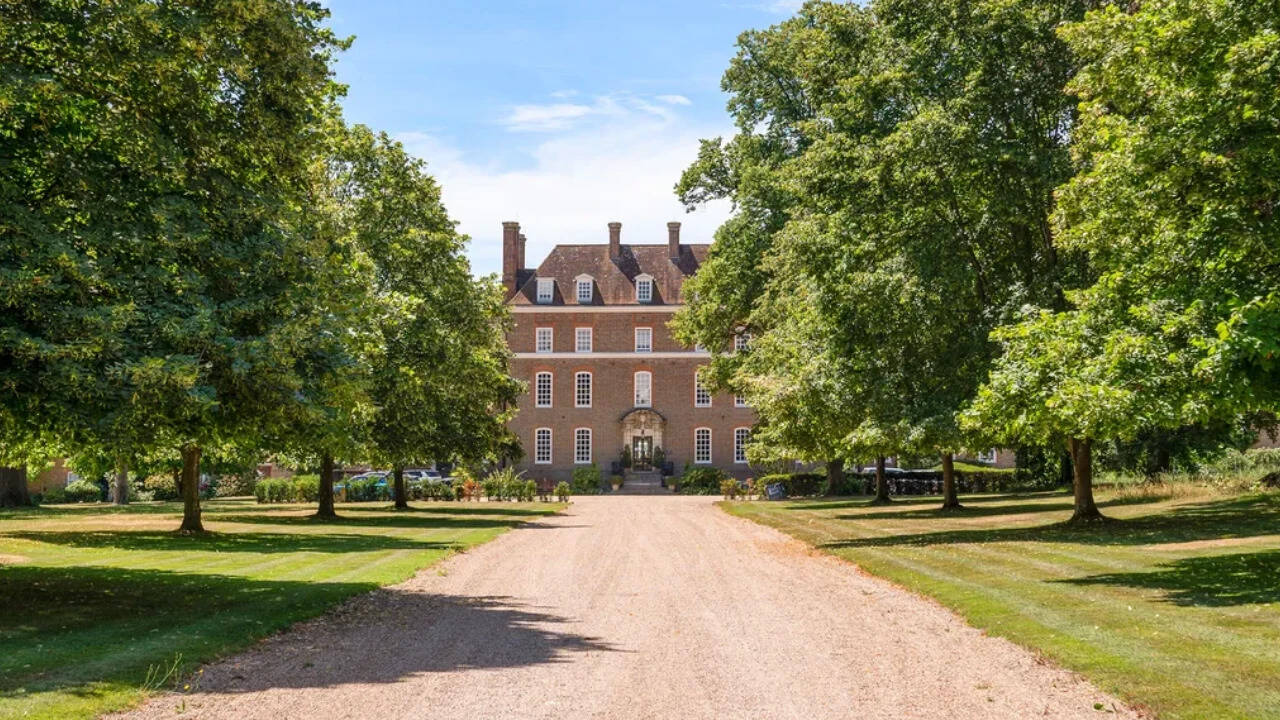
The recent listing of Sir Terry Farrell’s final residence—a two-bedroom apartment carved into a Grade II-listed Georgian mansion in Kent, priced at £525,000—has triggered the usual wave of breathless real estate coverage. The lazy consensus goes like this: Farrell was a titan of British architecture, the man behind the MI6 Building and Charing Cross, and owning his personal sanctuary in a historic country estate is a steal for the price of a cramped one-bedroom flat in Zone 3 London.
Stop looking at the pedigree. Start looking at the balance sheet.
When you strip away the glossy photography and the architectural name-dropping, you aren't buying a "masterpiece." You are buying a leasehold flat inside a high-maintenance heritage liability. In the UK property market, celebrity provenance does not pay your service charges, and postmodernist flair does not insulate single-glazed Georgian sash windows.
The Myth of the Architectural Discount
Let’s dismantle the primary hook first. Why is the final home of one of Britain’s most celebrated post-war architects sitting on the market for £525,000?
Property commentators frame this as an accessible entry point into high design. In reality, it is a textbook example of market friction. If an asset with massive name recognition is priced at half a million pounds in the South East of England, the market isn't being generous. The market is pricing in the headaches.
I have watched dozens of design-obsessed buyers get seduced by "architect-owned" or "architect-designed" heritage conversions. They walk in, see the custom joinery, trace the sightlines, and immediately stop asking questions about the roof. Two years later, they are staring down a Section 20 notice for £45,000 because the communal stonework needs repointing and English Heritage insists on using lime mortar mixed by artisans.
Farrell’s genius was urban scale, theatricality, and civic presence. Think of the flamboyant green glass of Vauxhall Cross or the bold, classical-meets-industrial massing of Embankment Place. Those buildings work because they are monumental public statements backed by institutional maintenance budgets.
A two-bedroom apartment inside a subdivided Kentish mansion is the exact opposite. It is a domestic compromise. You get the prestige of the postcode and the ghost of the architect, minus the autonomy of owning a freehold house.
The Leasehold Trap in Historic Country Houses
If you want to understand why sub-divided country mansions are notoriously difficult assets, look at the mechanics of UK leasehold law and heritage preservation.
When a large historic house in Kent is converted into individual apartments, the developer creates a complex web of shared liabilities. Every square foot of that sweeping Georgian facade, every acre of manicured communal grounds, and every inch of ancient lead piping has to be maintained by the leaseholders.
Here is what the glossy property listings never put in the bullet points:
- The Service Charge Escalator: Unlike a modern purpose-built block where maintenance is predictable, a listed mansion suffers from catastrophic, irregular capital expenditure. You don't just replace a boiler; you restore a historic plant room. Annual service charges on country house apartments regularly run between £4,000 and £10,000+ per year, and they only move in one direction.
- The Listed Building Straightjacket: Grade II listing doesn't just protect the exterior. It protects the interior fabric, the spatial layout, and often the very alterations a famous architect made. Want to upgrade the thermal efficiency? Prepare for months of battle with the local conservation officer. Want to reconfigure a dated kitchen? Expect to pay heritage architects thousands just to draw up the listed building consent application.
- The Illiquidity Problem: Who is your buyer when you want to sell in seven years? You have eliminated families (too small, communal gardens aren't the same as a private yard), you have eliminated buy-to-let investors (service charges destroy the yield), and you have eliminated mainstream downsizers who want low-maintenance convenience. You are fishing in a tiny pond of architecture nerds and weekenders.
Imagine a scenario where you buy this flat for £525,000. You spend £25,000 on Stamp Duty, legal fees, and minor refreshes. Over five years, you pay £30,000 in service charges and ground rent. Suddenly, your real cost basis is £580,000. Meanwhile, historic country apartments notoriously lag behind standard freehold properties in capital appreciation. While the detached three-bed down the road grows by 15%, your heritage flat stagnates because the next buyer is terrified of the service charge.
Postmodernism Is Tough to Live In
We also need to have an honest conversation about the design itself. Terry Farrell was the high priest of British Postmodernism. Alongside figures like James Stirling and Charles Jencks, Farrell rejected the sterile, glass-box dogmas of High Modernism in favor of wit, historical reference, color, and ornament.
In a civic building, Postmodernism is exhilarating. In a domestic living room, it can feel like living inside a stage set.
Architects designing for themselves rarely prioritize universal resale appeal. They design for their own specific quirks, their own art collections, and their own spatial preferences. When a master architect adapts a historic space, the result is often deeply personal—filled with bespoke built-ins, idiosyncratic room proportions, and bold stylistic choices that look brilliant in Architectural Digest and utterly baffling when you try to figure out where to put a normal sofa.
If you buy it, you are trapped in a preservation paradox:
- Keep it untouched: You live in a museum dedicated to someone else’s taste, slowly watching bespoke 1990s or 2000s finishes age into obsolescence.
- Renovate it: You rip out the very features that justified the "Terry Farrell" headline in the first place, destroying the provenance you paid a premium to acquire.
Neither option makes financial sense.
Dismantling the "People Also Ask" Fantasies
Whenever a property like this hits the press, buyers start searching for ways to justify an emotional purchase. Let’s look at the flawed questions buyers ask—and the brutal reality behind them.
Does an architect's name add permanent value to a home?
Only at the absolute top tier of the market, and almost exclusively for standalone, ground-up commissions. If you own a pristine, untouched mid-century house by Richard Neutra in Los Angeles or a bespoke modernist villa by Ernő Goldfinger in London, provenance carries massive weight. Those are complete, holistic works of art.
An interior fit-out or apartment conversion inside an older building does not carry the same multiplier. Buyers will pay a modest novelty premium, perhaps 5% to 10% over comparable local stock, during a hot market. In a flat or cautious market, that premium evaporates entirely. The bricks, the lease length, and the monthly outgoings dictate the price.
Is buying a flat in a Kentish mansion a good alternative to London?
If your goal is escaping London prices, moving to Kent works—provided you buy the right asset class. For £525,000 in towns like Tunbridge Wells, Sevenoaks fringes, or Faversham, you can buy a solid freehold Victorian terrace or a modern detached home. You get your own front door, your own roof, zero service charges, and full control over your renovation timeline.
Trading a London leasehold flat for a Kent leasehold flat is lateral movement into a less liquid market. You keep all the worst parts of London property ownership—managing agents, sinking funds, restrictive covenants—while giving up the capital growth engine of the capital.
What should you look for in a heritage conversion?
If you are dead set on living inside a piece of history, ignore the celebrity connection and audit the management company. Ask for the last five years of service charge accounts. Look at the reserve fund (the sinking fund). If a 200-year-old mansion has less than £100,000 sitting in its reserve fund, run. That means the moment the roof leaks or the driveway collapses, the managing agent will issue a cash call directly to your bank account.
The Unconventional Play That Actually Works
To be completely fair, there is a specific type of buyer for whom this property makes total sense. If you are a cash buyer, deeply passionate about British architectural history, retired or semi-retired, and view housing purely as a consumption expense rather than an investment vehicle, go for it. You get to wake up inside the mind of a legend every morning, surrounded by the Kent countryside, for the price of a suburban semi.
For everyone else—anyone using a mortgage, anyone building wealth, anyone who might need to sell within a decade—the play is entirely different.
Stop trying to buy architectural trophies. Buy unimproved, structurally sound freehold stock in the same postcode.
Take the £525,000 budget, spend £425,000 on an ugly, dated, freehold Victorian or Edwardian house near a solid Kent commuter station, and put £100,000 into hiring a sharp, hungry young RIBA-registered architect to rework the ground floor.
You will get better thermal performance, zero service charges, a private garden, higher resale value, and a space tailored to your life rather than a departed architect's weekend retreat.
Real estate rewards cold math, not romantic stories. Leave the Terry Farrell apartment to a wealthy collector who doesn't care about yield, keep your capital out of heritage leaseholds, and buy something you actually own.