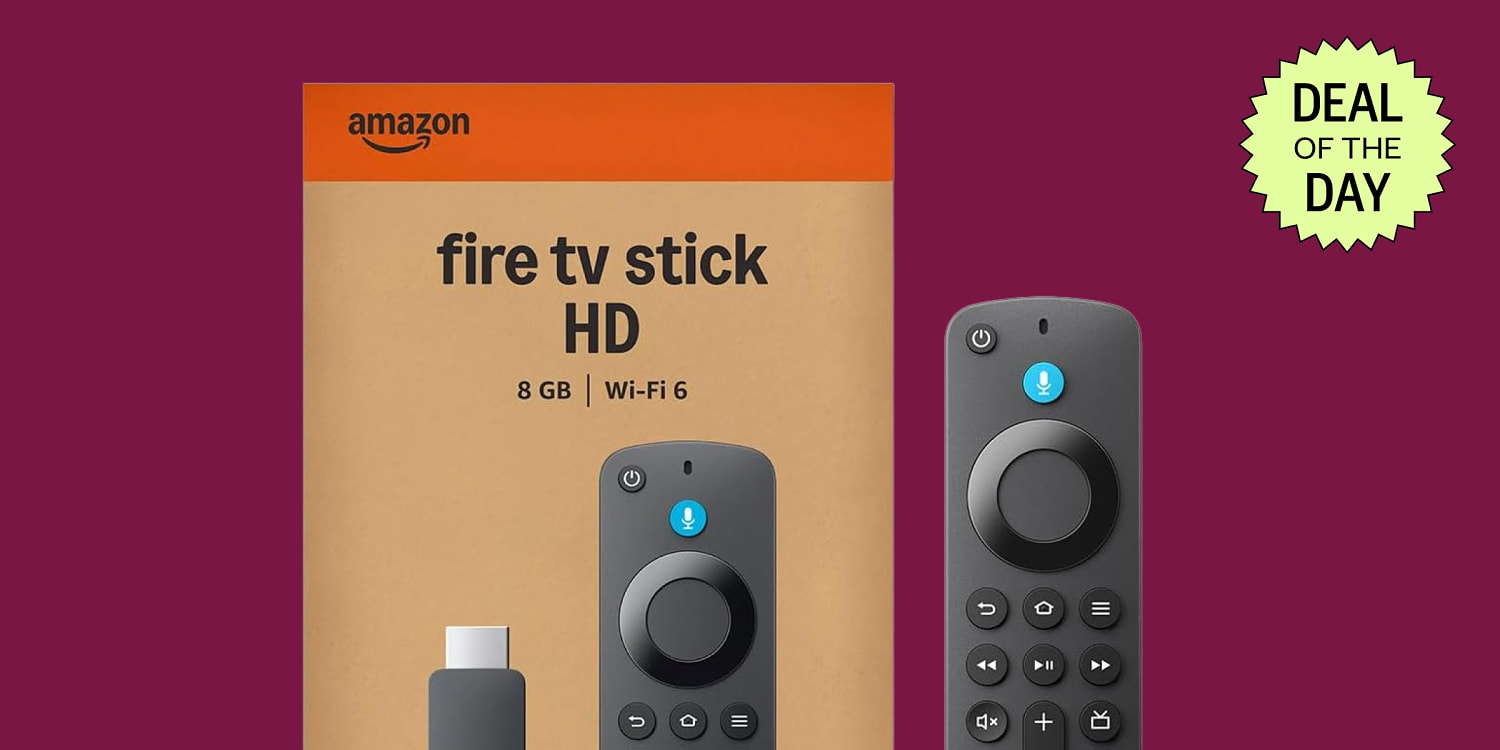
Every tech blog on the internet is currently hyperventilating over a price tag. Amazon slashes the cost of the Fire TV Stick HD down to twenty dollars, and the consumer tech press treats the discount like a philanthropic miracle. They tell you it is a bargain. They tell you it is a steal for your living room. They are dead wrong, and falling for this pricing trap costs you far more than pocket change over the lifespan of the device.
I have spent the last decade auditing consumer hardware margins, firmware bloat, and long-term ecosystem lock-in for enterprise and retail clients. I have watched millions of dollars burn because consumers evaluate hardware by its upfront cost rather than its total cost of ownership. The twenty-dollar streaming stick is not a deal. It is a Trojan horse designed to extract your data, frustrate your daily routine, and force an upgrade cycle eighteen months from now. Read more on a related subject: this related article.
Stop looking at the sticker price. Start looking at the hidden tax you pay every time you turn your television on.
The Economics of a Twenty-Dollar Loss Leader
Let us look at the manufacturing reality. A modern streaming device requires silicon, memory, storage, casing, packaging, global logistics, and regulatory certification. It needs a Bluetooth remote, power cables, and an HDMI interface. Further analysis by Wired delves into similar perspectives on this issue.
When a corporate giant sells the entire package for twenty dollars, basic arithmetic tells you the hardware is not the product. You are.
Amazon prices the Fire TV Stick HD at or below cost because the home screen is an unmitigated billboard. You are buying an advertising terminal disguised as a media player. Every square inch of the user interface pushes sponsored content, auto-playing trailers, and algorithmic recommendations designed to steer you toward rented media or paid subscriptions you never intended to buy.
When you buy a premium device, you pay for the processing power and clean software. When you buy a twenty-dollar device, you pay with your attention, your privacy, and your patience as the sluggish interface stutters through basic menu navigation.
The Memory Trap and Planned Obsolescence
The lazy consensus in consumer reviews claims that a quad-core processor and one or two gigabytes of RAM are enough for casual streaming. This is a deliberate falsehood.
Operating systems bloat over time. Security patches, UI updates, and background telemetry eat away at constrained memory pools. A streaming stick with minimal RAM does not age gracefully. Within two years, background processes choke the system. Apps take ten seconds to launch. The remote input lags behind the screen. You experience micro-stutters during standard definition playback.
Manufacturers know this. They engineer these devices with just enough headroom to survive the initial unboxing experience and positive review window. By month eighteen, the device becomes an exercise in frustration. You throw it in a drawer and buy another one.
That is not a bargain. That is a subscription model billed in recurring bouts of consumer annoyance.
The Alternative Nobody Wants to Admit
If you want an appliance that respects your time and your living room ecosystem, you have to spend real money. Apple TV or higher-end streaming boxes cost three to four times as much upfront.
I admit the downside: dropping a hundred dollars on a streaming box hurts upfront. It goes against every impulse trained by Black Friday culture.
Yet look at the math over a four-year horizon. The premium box features high-end processors, ample memory, zero forced advertising on the home screen, and fluid performance that does not degrade with every security patch. It lasts five years or more without a single stutter. The twenty-dollar stick gets replaced twice in that same window because it crawls to a halt under its own software weight.
You do not save money by buying cheap hardware. You finance the manufacturer's ad-revenue pipeline while constantly replacing obsolete silicon.
Unplug the cheap stick. Stop letting a twenty-dollar price tag override your common sense. Pay for performance, or pay with your sanity.