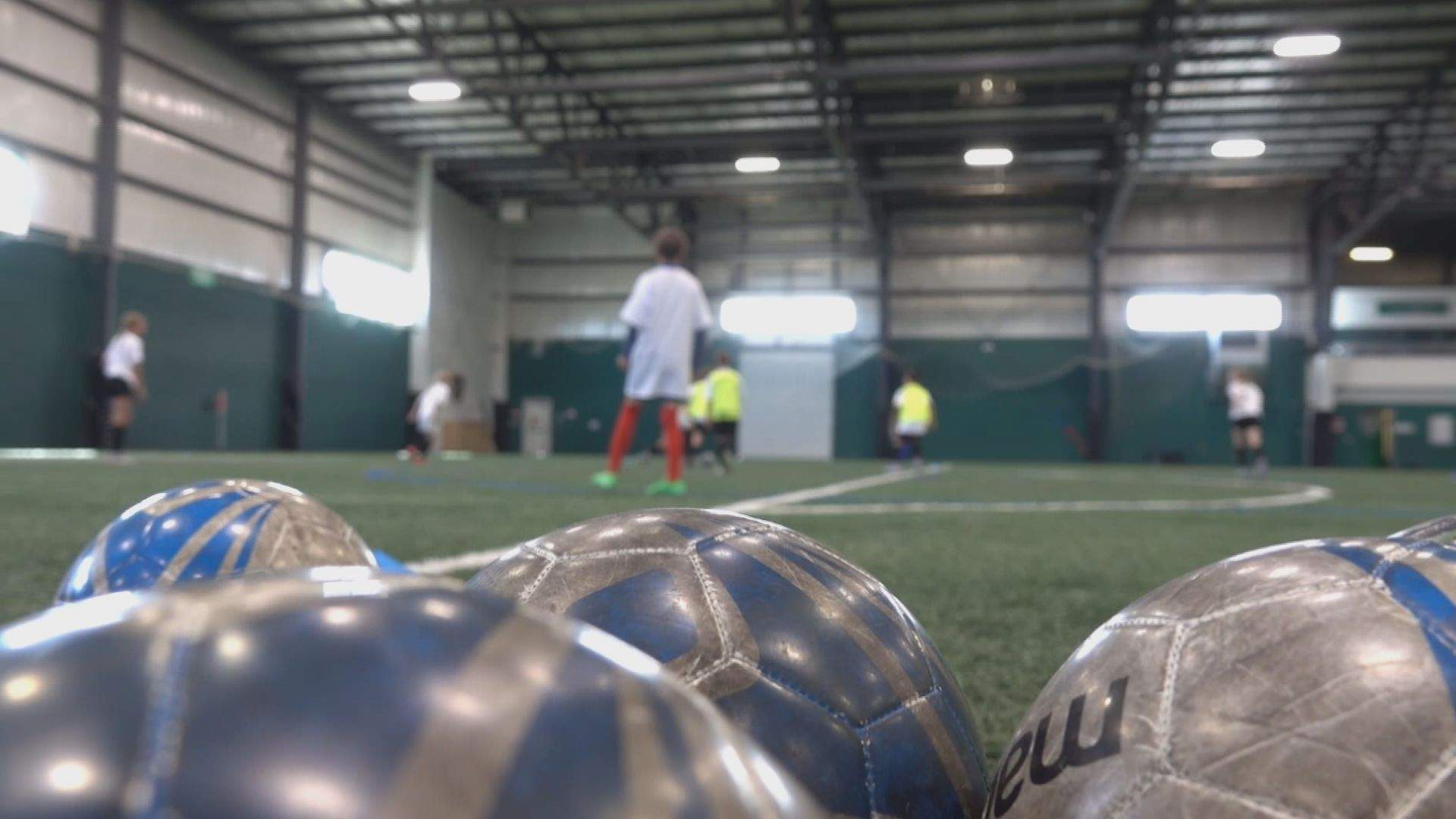
Parents in Calgary already wince every time hockey or figure skating registration opens up. Now, proposed adjustments in the City of Calgary’s budget cycle have put recreation funding and ice rental fee increases squarely back in the crosshairs of community groups, minor sports associations, and everyday taxpayers.
Let's be clear about what is actually happening here. The competitor's reference URL wasn't accessible to pull exact line-item figures from a specific dated draft, and I won't invent numbers or fake quotes to pad the page. What we do know—based on recurring Calgary municipal budget debates, City Council service plan adjustments, and public presentations from local sports organizations—is that municipal recreation pricing sits at a crossroads. City administrators regularly balance rising utility, maintenance, and staffing costs at aging arenas against the reality that higher user fees push lower- and middle-income kids off the ice. If you liked this article, you should look at: this related article.
The Core Friction in Calgary's Recreation Budget
Running an ice rink in Alberta isn't cheap. Refrigeration plants consume massive amounts of electricity, aging facilities from the 1970s and 1980s require constant mechanical upkeep, and staffing costs rise alongside inflation. When City administration drafts its annual budget adjustments, cost-recovery targets inevitably come up.
Here's the problem with treating public arenas like pure break-even businesses. For another look on this story, see the recent coverage from TIME.
Public recreation isn't a luxury retail store. When the City proposes bumping hourly ice rental rates—even by what looks like a modest percentage on a spreadsheet—that cost doesn't vanish. It gets passed straight down to minor hockey associations, ringette leagues, speed skating clubs, and public drop-in users.
A $15 or $25 hourly bump sounds small to someone sitting in a council chamber. Multiply that across 40 to 60 hours of ice time per team over a winter season, divide it among 15 families, and suddenly registration jumps by hundreds of dollars per child. That's before you even factor in sticks, skates, travel, and tournament fees.
Who Actually Pays When Ice Fees Rise
Minor sports associations operate on razor-thin margins. Most are run by volunteer boards who spend their evenings trying to keep registration accessible while still paying officials, insurance, and municipal facility invoices.
When Calgary's proposed budget tilts toward higher user fees or trims operating subsidies for community recreation, three things happen almost immediately:
- Registration fees climb. Associations have no cash reserves to absorb multi-year municipal rate hikes, so parents get hit with the bill.
- Ice time gets cut. Teams drop early-morning practices or trim skill-development sessions to stay within budget, which hurts player development and shrinks overall facility utilization during off-peak hours.
- Community volunteers burn out. Boards spend half their season fundraising just to cover basic facility overhead instead of focusing on coaching and youth retention.
Honestly, it's a slow squeeze. Kids don't quit overnight in a dramatic protest; families quietly decide next autumn that they just can't swing it anymore.
Why Recreation Subsidies Save Money Long Term
Critics of municipal recreation subsidies often argue that taxpayers who don't use arenas shouldn't subsidize those who do. On paper, "user-pay" sounds fair. In practice, it misses the entire point of municipal infrastructure.
Cities build arenas, pools, and community centres because active, connected neighbourhoods cost less to govern and maintain over decades. Youth participation in organized sports correlates with better mental health, stronger school attendance, and lower rates of youth crime. Public health researchers and municipal policy groups across Canada have documented for years that every dollar invested in accessible community recreation pays dividends down the road.
If you price families out of public rinks, those arenas still sit there needing heat, electricity, and ice maintenance—except now you have fewer bookings, lower total revenue, and empty stands on a Tuesday night.
The Hidden Vulnerability of Aging Arenas
Another piece of the Calgary recreation puzzle rarely gets enough attention during budget week. Many community arenas across the city are decades old.
While newer multi-sheet facilities operated by third-party partners offer modern amenities and higher revenue potential through concessions and tournaments, older single-sheet city-operated rinks carry heavy capital maintenance backlogs. When operating budgets tighten, routine maintenance gets deferred. Deferred maintenance turns into emergency mechanical failures, which forces sudden rink closures and scrambles ice allocation across the entire city.
Raising rental rates while facility quality stagnates is a tough sell to any parent sitting in freezing bleachers at 6:30 AM.
What Calgary Residents and Sports Groups Can Do Right Now
Municipal budgets aren't set in stone until City Council casts its final vote following public hearings. If you're a parent, coach, or association board member worried about where recreation funding and ice fees are headed, waiting until next season's registration invoice arrives is too late.
- Check the current City of Calgary budget documents. Look specifically at the "Recreation Opportunities" and "Parks and Open Spaces" service lines on the City's official budget portal to see the exact proposed percentage changes for user fees and capital investments.
- Sign up to speak at public budget hearings. Council members pay attention when volunteer association presidents and everyday parents show up with concrete numbers showing how a proposed rate hike translates into lost registrations.
- Contact your Ward Councillor directly. Skip generic form letters. Send a short, specific email explaining how many families in your community association will be affected and ask how the Councillor plans to vote on user-fee adjustments.
- Coordinate through your sport's governing body. Individual teams carry some weight, but unified submissions from Hockey Calgary, Ringette Calgary, or local skating clubs carry far more leverage during council deliberations.
Public rinks are one of the few places left in a growing city where people from completely different backgrounds share the same cold bleachers and cheer for the same kids. Once you price working families out of that space, getting them back is nearly impossible.