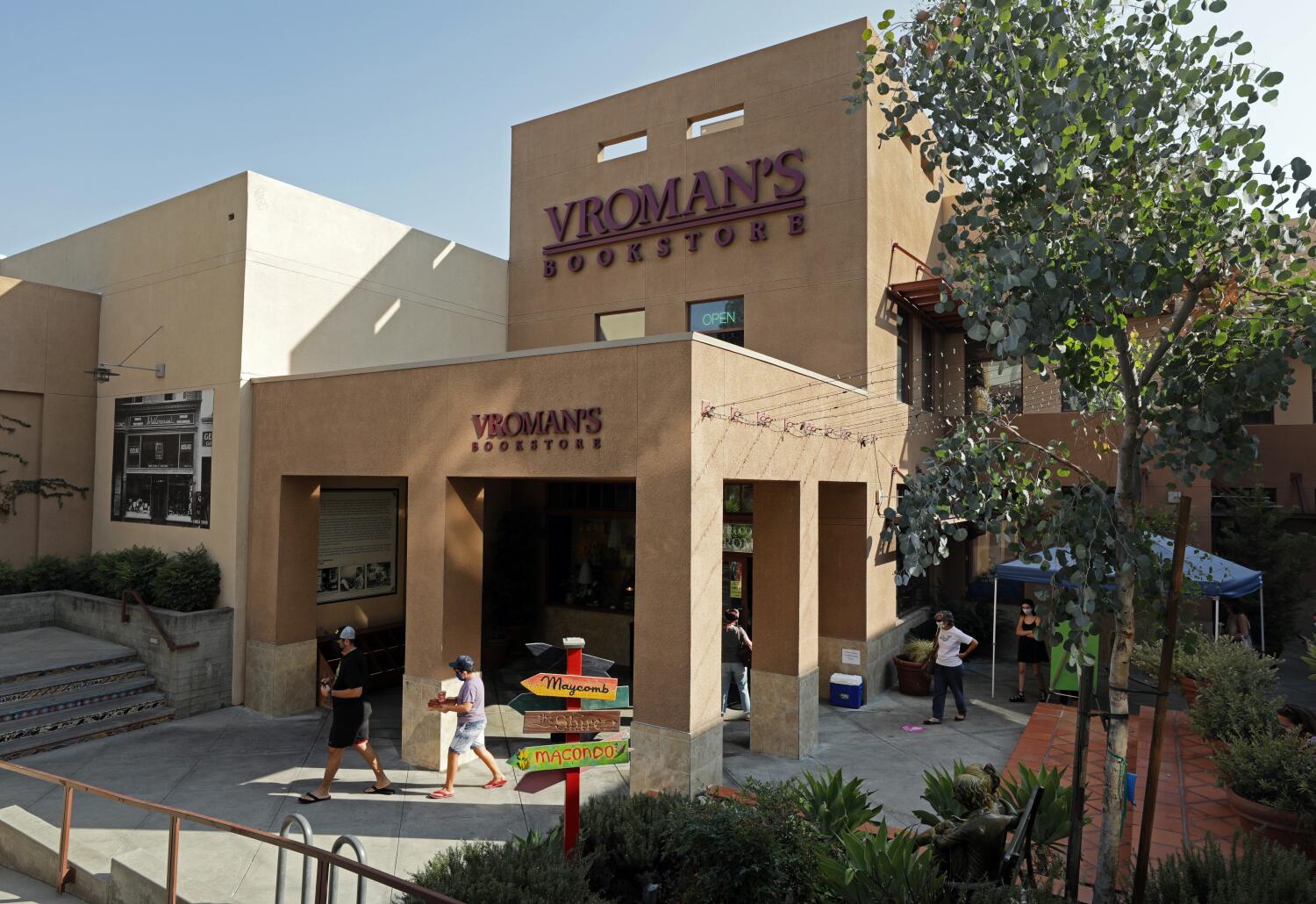
Independent retail institutions operating across high-cost metropolitan real estate markets face an acute structural vulnerability when generational stewardship expires. The recent acquisition of Southern California landmarks Vroman's Bookstore in Pasadena and Book Soup in West Hollywood by private buyer Robert Hoffman illuminates the mechanics of retail succession. For over a century in Vroman's case and half a century for Book Soup, these entities survived industry contractions, digital disruption, and commercial real estate volatility through family ownership models. When former leader Joel Sheldon announced retirement plans after five decades of guidance, the enterprise entered a high-risk transition window. Analyzing this transaction reveals the underlying economic pressures, capital allocation constraints, and operational realities governing legacy independent bookstores in the twenty-first century.
The Succession Crisis In Multi-Decade Physical Retail
Small-format physical retail businesses operate on narrow operating margins that rarely justify traditional institutional capital investment. When founders or multi-generational family owners reach retirement age, succession planning typically confronts a binary outcome: liquidation of physical assets and inventory or acquisition by an individual buyer possessing sufficient personal capital and emotional alignment with the brand. Corporate roll-ups or private equity buyers frequently target retail chains with predictable cash flows and standardized supply chains, characteristics absent in independent bookstores defined by localized curation and community-embedded programming.
The two-year search required to transition ownership of Vroman's and Book Soup underscores the friction inherent in this market. Potential buyers must possess both the liquidity to absorb ongoing operational overhead and the strategic discipline to protect intangible brand equity. Without a structured succession pipeline, independent retail institutions with long operating histories often collapse under the weight of deferred capital expenditures or rising lease renewals. The intervention of an individual buyer with local roots provides a stabilizing bridge, yet it shifts the structural burden from institutional family management to a single private stakeholder dependent on external capital reserves or operational profitability to sustain losses during downturns.
The Cost Structure Of Urban Independent Bookstores
Operating physical bookstores in affluent urban centers such as Pasadena and West Hollywood involves a rigid cost architecture dominated by fixed occupancy expenses, specialized labor, and inventory carrying costs. Commercial real estate lease agreements in prime retail corridors demand predictable revenue per square foot to offset escalating property valuations and municipal tax structures. Unlike e-commerce competitors that distribute storage overhead across low-cost industrial warehouses, independent bookstores must maintain high-rent storefronts capable of housing browseable inventory alongside active community event spaces.
Inventory management introduces a distinct financial constraint. Book distribution operates on a wholesale model where retailers purchase inventory from publishers, often under terms that include returnability windows, yet freight expenses erode gross margins significantly. Personnel costs compound this pressure. Independent bookstores rely on specialized booksellers whose domain expertise drives customer retention and localized curation. Retaining experienced floor staff requires competitive wages, conflicting directly with the margin compression caused by online discounting and digital reading formats.
During economic contractions or unexpected shocks, such as the operational disruptions experienced during pandemic-era restrictions, cash flow buffers evaporate rapidly. Government relief funds and community-driven consumer loyalty campaigns provided temporary liquidity extensions, but structural survival requires continuous margin optimization across non-book ancillary merchandise, such as stationery, gifts, and ticketed author events. These ancillary categories typically yield higher gross margins than new book sales, subsidizing the labor-intensive inventory of low-turnover literary titles.
Community Equity As An Intangible Balance Sheet Asset
In the absence of proprietary manufacturing or digital software moats, independent bookstores derive their primary competitive advantage from community equity. This intangible asset comprises customer trust, localized brand recognition, and cultural authority built over decades of consistent local engagement. For Vroman's and Book Soup, historical longevity functions as an economic moat, discouraging direct regional competition by establishing high switching costs for consumers who value physical discovery and curated recommendations over algorithmic search results.
Event programming serves as a primary driver of this community equity. Author signings, book clubs, and children's reading groups transform retail square footage into social infrastructure, driving foot traffic that converts into direct point-of-sale transactions. This operational model transforms the bookstore into a physical platform for cultural exchange. However, community goodwill cannot substitute for working capital. The economic challenge for new ownership lies in monetizing this goodwill without alienating the core customer base through aggressive commercialization or price increases that undermine the populist appeal of the institution.
Strategic continuity, identified by outgoing leadership as a primary objective during the transition, represents both a stabilizing necessity and a strategic risk. Preserving the exact operational footprint, including existing management teams, vendor relationships, and store layouts, maintains customer trust during a sensitive ownership change. Yet, strict adherence to legacy models limits operational agility. Modern retail environments demand sophisticated inventory analytics, omnichannel fulfillment capabilities, and dynamic pricing models that traditional independent operators often resist implementing.
Capital Allocation And Operational Adaptation
Sustaining multi-site independent retail operations requires disciplined capital allocation across disparate store profiles. Vroman's operates as a sprawling community hub with expansive inventory breadth and community programming space, whereas Book Soup functions as a high-density, niche-focused urban storefront catering to specialized literary demographics in West Hollywood. Treating these distinct operational models under a single administrative structure demands careful management of centralized overhead versus localized autonomy.
Incoming ownership must evaluate the velocity of inventory turn across both locations. Capital trapped in slow-moving backlist titles directly diminishes cash flow available for staffing or facility maintenance. Implementing modern point-of-sale analytics allows operators to track sales velocity at a granular level, reducing over-ordering while maintaining the eclectic selection that defines the brand identity. Furthermore, digital marketing infrastructure must be optimized to capture online orders from local consumers who might otherwise default to dominant e-commerce platforms.
Labor strategy also requires ongoing calibration. As minimum wage standards shift across urban municipalities in Southern California, labor cost inflation outpaces retail book price increases set by publishers. Bookstore operators possess limited pricing power due to uniform cover prices printed on physical books. Consequently, maintaining operational profitability depends on increasing units per transaction through strategic cross-merchandising of high-margin sidelines and optimizing labor scheduling around peak foot-traffic hours rather than maintaining static staffing ratios.
Strategic Forecast For Legacy Retail Stewardship
The long-term viability of acquired independent bookstores depends on balancing historic preservation with pragmatic operational modernization. Emotional attachment to a landmark brand provides an essential initial runway, but solvency relies on rigorous cash flow management and adaptation to shifting consumer purchasing habits.
The incoming ownership group must prioritize three distinct operational shifts:
- Streamlining supply chain and freight logistics to minimize margin erosion on wholesale book orders.
- Expanding high-margin non-book product categories to subsidize core inventory carrying costs.
- Upgrading customer relationship management systems to convert casual foot traffic into repeat digital and physical purchasers.
Failure to execute these adjustments risks returning the enterprise to financial distress once initial community goodwill generated by the ownership transition recedes. Independent retail survival in high-cost metropolitan markets allows zero margin for passive management. Capital investment must target operational efficiency without diluting the cultural authenticity that anchors the brand within its community.