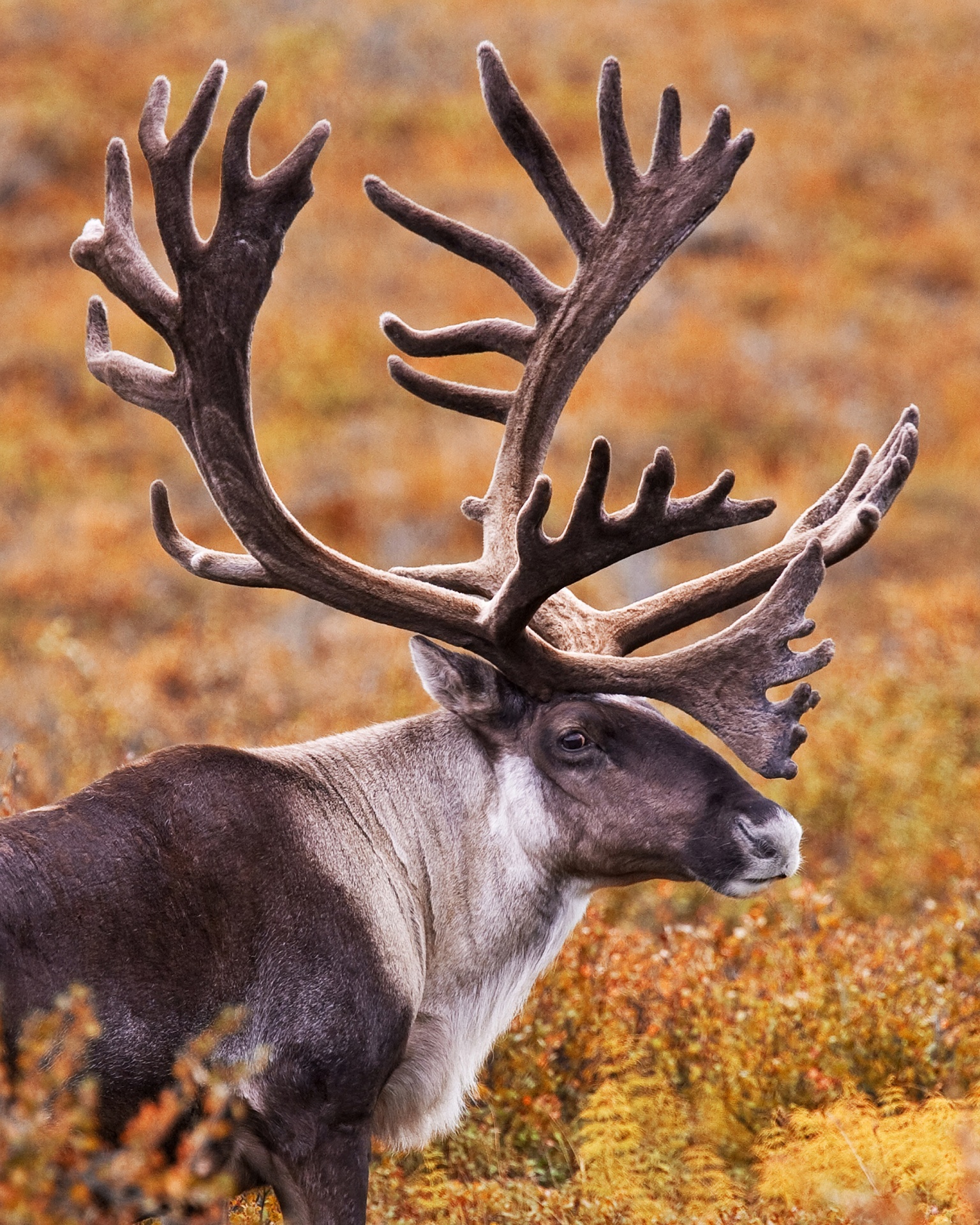
The collapse of the Arctic caribou (Rangifer tarandus) is not a singular biological event but a systemic failure of energetic efficiency. Across the circumpolar north, populations have plummeted by 50% to 90% in specific herds over the last two decades. This decline is a mathematical inevitability when the metabolic costs of survival exceed the caloric intake available within a shifting seasonal window. Traditional conservation narratives focus on "habitat loss," but a rigorous analysis identifies a more complex breakdown in the synchronization of migratory cycles, thermal regulation, and interspecies competition.
The Energetic Deficit Framework
To understand why caribou are vanishing, one must analyze the animal as a biological battery. Survival depends on accumulating a caloric surplus during the brief Arctic summer to offset the extreme deficits of winter. This system is currently being disrupted by three primary variables:
- Phenological Mismatch: The timing of plant emergence is now decoupled from the caribou’s arrival at calving grounds. Caribou migrate based on photoperiod (day length), which is static. However, the vegetation they rely on—specifically high-protein willow shoots and graminoids—responds to temperature. As the Arctic warms, the "green-up" happens earlier. By the time herds reach their destination, the vegetation has already passed its nutritional peak and transitioned into high-fiber, low-protein stages.
- The Icing Barrier: Historically, caribou could survive winter by cratering—digging through soft snow to reach lichen. Increased frequency of "Rain-on-Snow" (ROS) events creates a physical impenetrable layer of ice. This transforms a difficult foraging environment into a zero-access zone, leading to mass starvation events that bypass traditional predator-prey dynamics.
- Metabolic Heat Stress: While often viewed as a cold-adapted species, caribou possess limited mechanisms for shedding heat. Summer temperatures exceeding 20°C force the animals into "behavioral thermoregulation," where they stop foraging to seek shade or wind-blown ridges. Every hour spent cooling is an hour of lost caloric intake, compounding the winter deficit.
Anthropogenic Fragmentation and the Permeability Gap
The decline is further accelerated by the industrialization of the Arctic. Unlike many species that adapt to small-scale disturbances, caribou are uniquely sensitive to "linear features" such as roads, pipelines, and seismic lines.
Industrial infrastructure does not merely remove physical acreage; it fundamentally alters the landscape’s defensive utility. Roads act as conduits for apex predators. Wolves and bears use cleared paths to travel up to three times faster than they would through natural tundra or forest. This increases the encounter rate between predator and prey, effectively shrinking the "safe" territory available to the caribou.
Infrastructure also creates a psychological barrier. Data from GPS-collared individuals shows that female caribou will often avoid high-quality forage if it sits within five kilometers of an active road or drilling site. This creates a "shadow footprint" where the actual habitat loss is ten times greater than the physical footprint of the construction itself.
The Tipping Point of Reproductive Failure
The survival of a herd is dictated by the recruitment rate—the number of calves that survive to one year of age. In the current Arctic environment, this rate is falling below the replacement level of approximately 15-20 calves per 100 females.
The mechanism of this failure is physiological. If a female caribou does not reach a specific threshold of body fat (roughly 12-15%) by the autumn rut, her body will naturally suppress ovulation. Even if she does conceive, a winter of high-energy expenditure due to deep snow or icing may lead to fetal resorption or the birth of underweight calves that cannot survive the spring melt. This creates a demographic lag; the herd may appear stable because adult mortality is low, but the lack of new cohorts ensures a sudden, steep population crash once the aging generation reaches the end of its lifespan.
Monitoring Technology and Data Gaps
Current management strategies are hampered by a reliance on intermittent aerial surveys, which are expensive and weather-dependent. To stabilize these populations, a shift toward a "Digital Tundra" model is required. This involves:
- Satellite-Derived NDVI (Normalized Difference Vegetation Index): Tracking the "green wave" in real-time to predict years of high phenological mismatch.
- Acoustic Monitoring: Deploying sensors to detect predator density and industrial noise levels in calving grounds.
- Synthetic Aperture Radar (SAR): Using radar that can "see" through clouds and darkness to detect the formation of ice layers under the snow, allowing for early warning of mass starvation events.
The limitation of these technologies is not the hardware, but the integration. Data silos between mining corporations, indigenous governments, and federal agencies prevent a unified response to localized crises.
The Strategic Shift in Conservation Policy
The objective can no longer be "preservation," which implies maintaining a status quo that has already been erased by climate shifts. Management must pivot to Dynamic Habitat Protection.
Instead of static park boundaries, protection zones must be fluid, moving in real-time based on the location of the herd and the current state of vegetation. This requires a regulatory framework where industrial activity (trucking, drilling, flights) can be throttled or paused based on biological triggers.
Furthermore, the focus must move toward "Refugia Management." Identifying areas of the Arctic that are naturally shielded from the worst effects of warming—such as high-latitude plateaus with consistent snow patterns—is the only viable long-term play. These areas must be treated as the "core capital" of the caribou’s survival fund, with zero-tolerance policies for industrial expansion.
The caribou is an indicator species for the entire Arctic biome's thermodynamic health. Their disappearance is the signal that the system can no longer support high-energy, large-bodied mammals. Failure to intervene with high-resolution data and aggressive spatial protections will result in the permanent transition of the Arctic into a simplified, low-biodiversity landscape. The strategic priority is clear: mitigate the energetic deficit or accept the extinction of the migratory herds.