You probably thought polio was a relic of the 1950s. Most people do. We associate it with black-and-white photos of iron lungs and Franklin D. Roosevelt. But if you’re planning international travel this year, the CDC has a different story to tell. They’ve issued a Level 2 Travel Health Notice for dozens of countries, and it’s not something you should ignore.
A Level 2 alert means "Practice Enhanced Precautions." It’s the middle ground between "business as usual" and "don't go." The reality is that polio is circulating in places you might not expect. This isn’t just about remote villages. It’s about global hubs and popular tourist destinations where the virus has been detected in sewage or through local cases. If you’re heading to an affected area, the standard three-dose series you got as a kid might not be enough to keep you safe—or to keep you from bringing the virus back home.
The Global Polio Map is Shifting
The list of countries under the CDC Level 2 advisory is long and constantly changing. It includes parts of Africa, Asia, and even areas in the Middle East. You might see names like Pakistan and Afghanistan, where wild poliovirus has never been fully stopped. But you’ll also see places like Egypt, Algeria, or Indonesia.
The risk today often comes from circulating vaccine-derived poliovirus (cVDPV). This happens in areas with low vaccination rates. The weakened virus used in oral vaccines can spread through a community and, over time, mutate back into a form that causes paralysis. It’s a frustrating irony. The very tool used to eradicate the disease can sometimes trigger new outbreaks if the population isn't fully protected.
Why Your Childhood Shots Might Not Be Enough
Most American adults feel invincible because they were vaccinated decades ago. I get it. You checked that box in grade school. However, the CDC now recommends a one-time adult booster dose of the Inactivated Poliovirus Vaccine (IPV) if you’re traveling to a high-risk area.
Think of it as a software update for your immune system. Your initial series gave you the foundation, but if you’re going into a "hot zone," you want your antibody levels at their peak. This booster isn't just for your protection. Polio is a "silent" spreader. Most people who catch it have no symptoms, but they can still shed the virus in their stool for weeks. You could catch it abroad, feel fine, and accidentally start a transmission chain in your own community when you get back.
How the Virus Actually Moves
Polio is incredibly hardy. It spreads through the fecal-oral route. That sounds gross because it is. Basically, if someone’s hands, food, or water are contaminated with even microscopic amounts of waste from an infected person, the virus finds a new host.
In many countries under the advisory, water infrastructure isn't perfect. Even in "luxury" resorts, the staff might live in areas where the virus is active. One missed hand-wash in the kitchen is all it takes. Once ingested, the virus sets up shop in the intestines and can eventually attack the central nervous system. For about 1 in 200 people, this leads to irreversible paralysis, usually in the legs. Among those paralyzed, 5% to 10% die when their breathing muscles stop working.
Preparing for Your Trip Without Panicking
Don't cancel your flights yet. Just get smart about it. Your first step is a visit to a travel clinic. Don’t just go to your regular GP; they often don't keep IPV in stock or stay up to date on specific country advisories. A travel medicine specialist will look at your itinerary and tell you exactly what you need.
The Vaccination Timeline
You can't do this the day before you fly. Ideally, you should start this process at least 4 to 6 weeks before departure. If you’ve never been vaccinated against polio (which is rare in the US but possible), you’ll need a full three-dose series. If you’ve had your childhood shots, that single lifetime booster is usually all that’s required.
Mandatory Vaccination Requirements
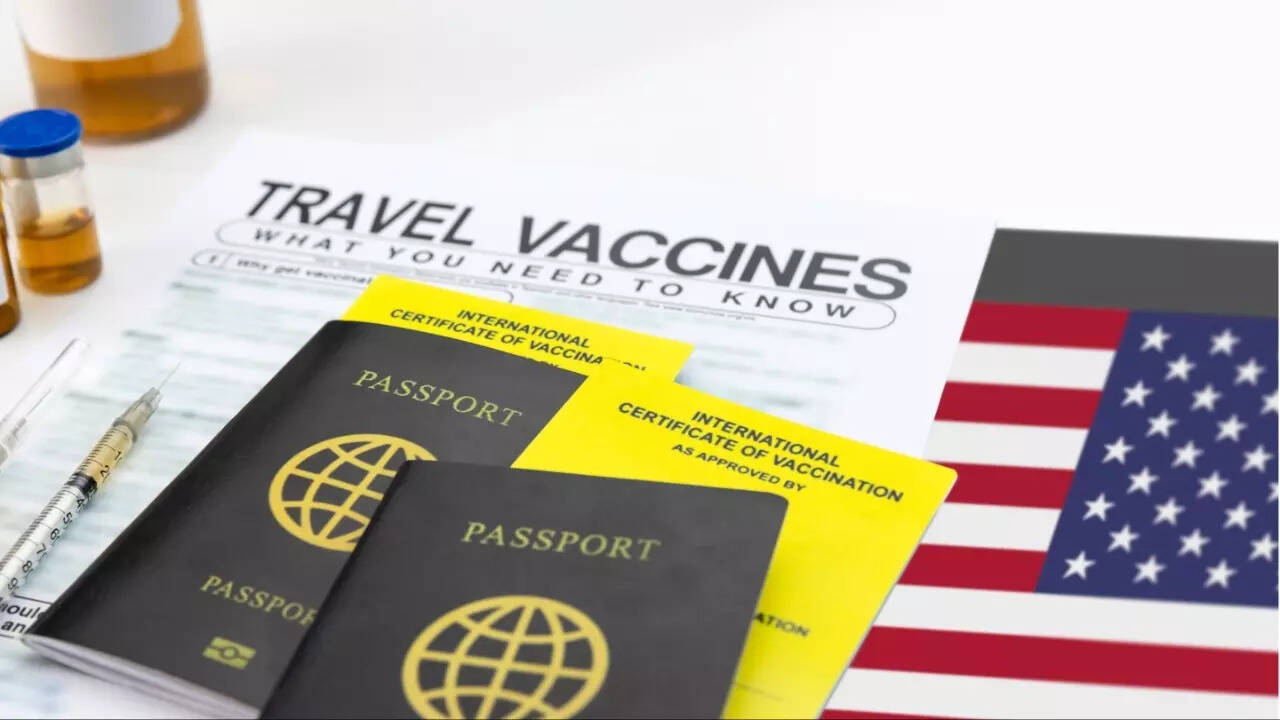
Some countries are so worried about polio that they won't let you leave without proof of vaccination. If you stay in certain affected countries for more than four weeks, you might be required to show an International Certificate of Vaccination or Prophylaxis (ICVP), also known as the "Yellow Card." If you don't have that yellow piece of paper signed and stamped, you could be stuck at the airport or forced to take a vaccine on the spot in conditions that might not be ideal.
Safety Measures Beyond the Needle
Vaccines are your primary shield, but they aren't a free pass to be reckless. Hygiene is your secondary defense.
- Stick to bottled water. Even for brushing your teeth.
- Eat it hot. Heat kills the virus. If the food hasn't been cooked or peeled by you, skip it.
- Wash your hands obsessively. Use soap and water. Hand sanitizer is great for many things, but it’s less effective against non-enveloped viruses like polio compared to a good 20-second scrub.
- Avoid "street ice." Those refreshing drinks often use ice made from local tap water.
What Happens When You Get Back
Watch your health for a few weeks after you return. If you experience sudden fever, sore throat, headache, or neck stiffness, call a doctor. Tell them exactly where you traveled. Most doctors in the US haven't seen a case of polio in their entire careers, so you have to be your own advocate and mention the travel advisory.
The CDC's Level 2 warning isn't a suggestion. It’s a data-driven alert based on where the virus is currently winning. We’re so close to global eradication, but "close" isn't "gone." Don't let a preventable virus ruin your life or the health of your family because you thought a childhood shot from 1995 was a permanent suit of armor.
Check the CDC’s official destination list today. If your country is on it, call a travel clinic tomorrow. Make sure your "Yellow Card" is updated and in your passport case. Staying safe is mostly about being prepared and a little bit about being careful with what you eat and drink. Do the work now so you can actually enjoy the trip when you get there.


