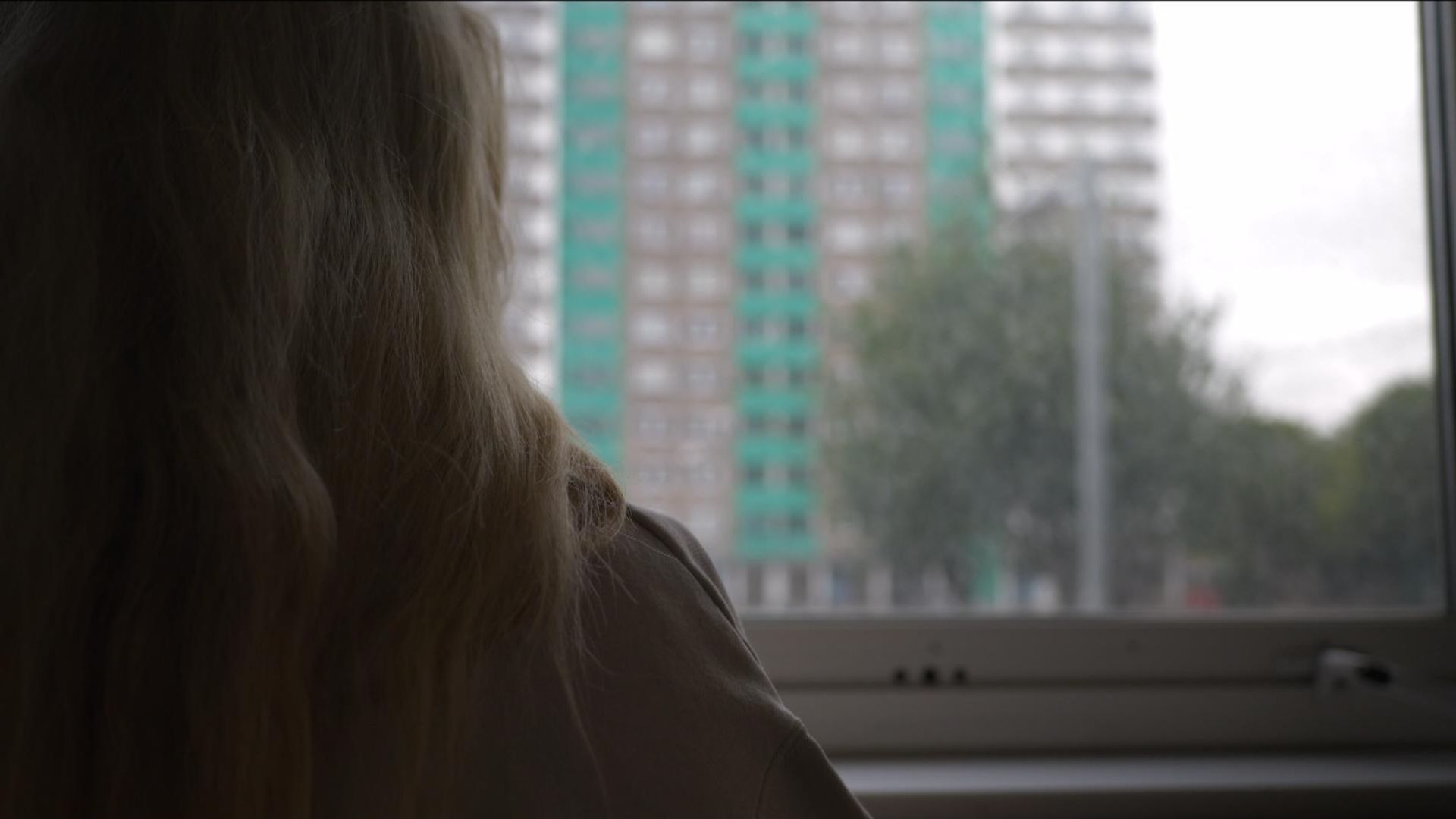
The tea was likely still warm.
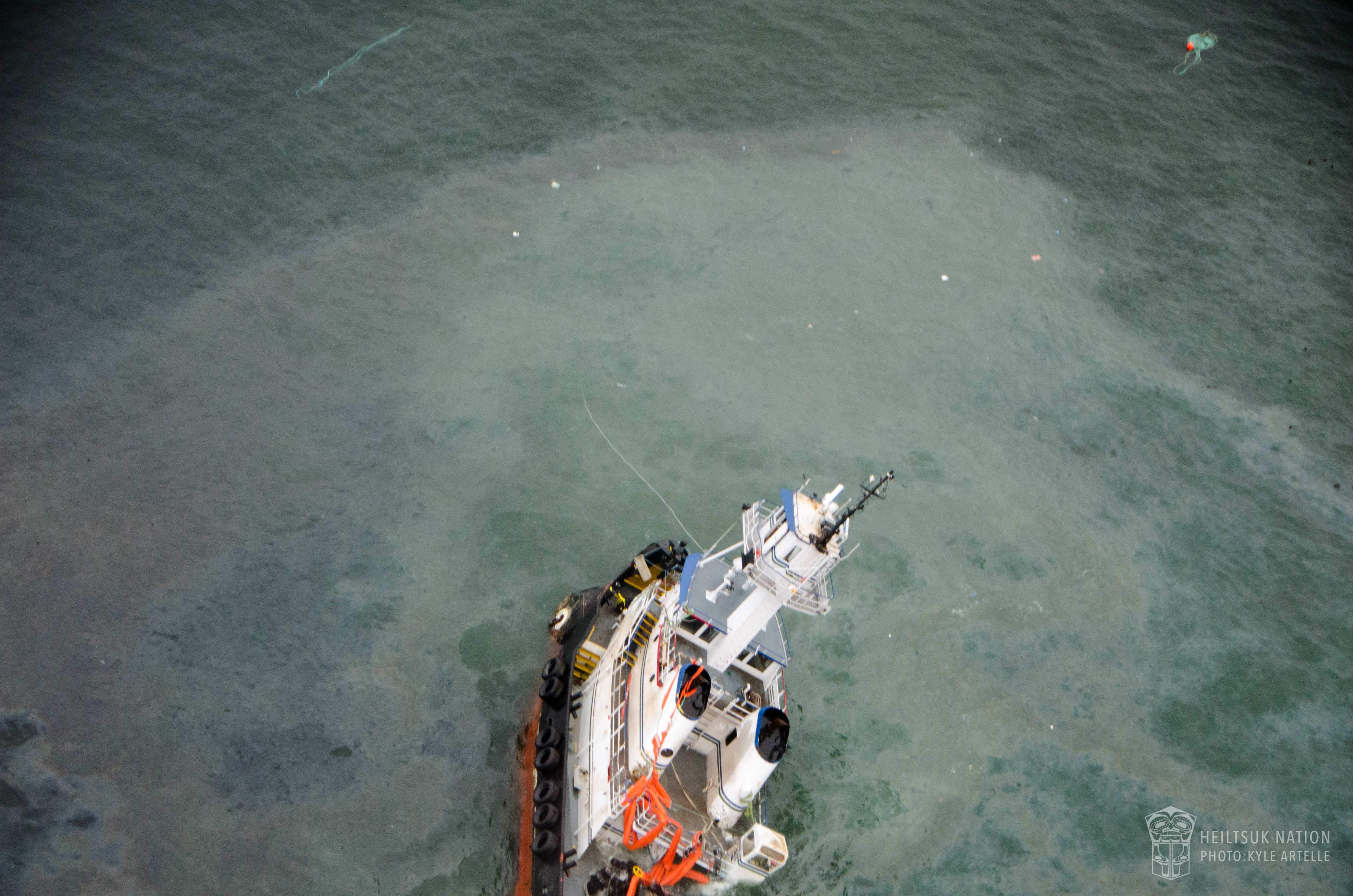
In the residential districts of Manama, life follows a rhythm dictated by the humidity and the call to prayer. Windows are shuttered against the heat. Families gather in the softened light of living rooms that have seen generations of births, weddings, and mundane Tuesday dinners. It is a sanctuary. We build walls of concrete and rebar specifically to define where the chaos of the world ends and where our private peace begins. Also making headlines in related news: The Kirby Corporation Oil Spill That Britain Tried to Forget.
Then the sky opened up.
When a long-range missile strikes a residential building, it doesn’t just break glass. It shatters the very concept of safety. There is a specific, sickening frequency to the sound of structural concrete giving way—a grinding roar that swallows the screams of those inside before they even realize the air has turned to dust. For one Bahraini woman, that sound was the final thing she ever heard. She wasn't a combatant. She didn't hold a rank. She was simply home. More insights into this topic are covered by Reuters.
The Geography of Collateral Damage
We often speak of geopolitics in terms of maps and arrows. We discuss "strategic depth," "deterrence," and "calculated escalations." But these are sanitized words used by men in air-conditioned rooms to describe the violent dissolution of human bodies.
The strike that claimed this life wasn't an accident of aim; it was a consequence of a trajectory. When Iranian-launched projectiles cross international borders, they carry with them more than high explosives. They carry a total disregard for the distinction between a military barracks and a kitchen. To the guidance system of a ballistic missile, a human being is merely a variable of resistance.
Consider the physics of the impact. A standard warhead hitting a multi-story apartment complex creates a pressure wave that liquefies internal organs before the debris even touches the skin. In the immediate aftermath, the neighborhood doesn't look like a "conflict zone" from a movie. It looks like a graveyard of domesticity. There are shoes scattered in the rubble. There are half-finished meals coated in a fine layer of pulverized limestone.
The Invisible Stakes of the Middle Eastern Sky
Why does this matter to someone sitting thousands of miles away? Because the "Iron Shield" or the "Interception Grids" we read about in tech journals aren't perfect. We have been conditioned to believe in the digital infallibility of defense systems—that we can simply "delete" threats from the sky like a bad line of code.
Bahrain, a small island nation, operates on a razor's edge. It is a hub of international commerce and a critical naval outpost. Yet, for the people living there, the geopolitical significance of their home is a secondary concern to the structural integrity of their roof. The strike on a residential building proves that the "buffer zones" are vanishing. The front line is now the grocery store. The trenches are the stairwells of apartment blocks.
We are witnessing the democratization of terror. When state actors use high-precision weaponry against non-military targets, they aren't trying to gain territory. They are trying to break the psychological contract between a government and its citizens. If you cannot be safe in your bed, where can you be safe?
A Silence That Echoes
There is a particular kind of silence that follows a localized explosion. It’s not a peaceful quiet. It is a vacuum. It’s the sound of a neighborhood holding its breath, waiting to see who is missing.
I remember talking to a first responder in a similar conflict zone years ago. He told me the hardest part wasn't the blood. It was the phones. In the pockets of the deceased, the cell phones would start ringing.
Mom. Home. Where are you?
Each ring was a person on the other end of the line whose world hadn't ended yet, but was about to. In Bahrain, that scene played out again. While the international community debated the "proportionality" of the strike and analysts checked the price of Brent Crude, a family was staring at a phone that went unanswered.
The Logic of the Unthinkable
To understand the weight of this event, we have to strip away the political labels. Forget the names of the countries for a moment. Instead, look at the math of a life lost.
$F = ma$
Force equals mass times acceleration. It is a simple law of physics. But when that force is applied to a grandmother or a daughter in her own living room, the equation changes. The "mass" becomes the weight of the grief left behind. The "acceleration" becomes the speed at which a region slides toward total chaos.
The strike on Bahrain wasn't just a military maneuver. It was a message written in fire and reinforced concrete. The message said: Nowhere is private. No one is exempt. The international response followed a predictable script. Condemnations were issued. Press releases were drafted in the passive voice—"lives were lost" rather than "people were killed." This linguistic gymnastics is a way to avoid the terrifying reality that we are entering an era where the civilian is the primary target, not the accidental one.
Beyond the Ticker Tape
The news cycle moves with a predatory speed. By tomorrow, this woman’s death will be a footnote, a single data point in a "comprehensive report" on regional instability. We will look at charts. We will discuss the range of the next generation of drones. We will speculate on the diplomatic fallout in the UN Security Council.
But if we lose the ability to feel the individual tragedy, we have already lost the war.
The real story isn't the missile. The real story is the woman who, moments before the impact, might have been thinking about what to wear the next day, or perhaps she was worrying about a minor bill, or smiling at a text message. She was a world unto herself. And in a single, kinetic instant, that world was extinguished to satisfy a strategic objective that she had no part in creating.
We must stop treating these events as "incidents." An incident is a flat tire. A strike on a home is a transgression against the fundamental laws of humanity.
The debris in Bahrain has been cleared by now. The dust has settled. But the air in that neighborhood will never feel the same. Every time a plane flies overhead, every time there is a sudden thunderclap, a thousand hearts will skip a beat. That is the true cost of these strikes. It isn't just the one life taken; it is the peace of mind stolen from everyone who remains.
The light in that apartment is out. The tea has gone cold. And the world continues to turn, indifferent to the fact that the ceiling eventually falls on us all if we keep pretending that "collateral damage" is a valid way to describe a murdered neighbor.
Somewhere, a phone is still ringing in the dark.