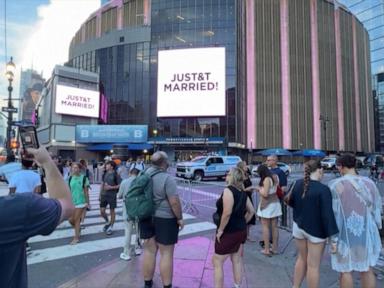
The internet erupted when a viral video claimed Taylor Swift and Travis Kelce secretly tied the knot at Madison Square Garden. Millions of fans shared the clip, driving massive traffic to entertainment blogs and social media feeds. The problem is that the entire premise relies on absolute fiction. No such wedding occurred, municipal records show no marriage license filed for the couple in New York City during that timeframe, and Madison Square Garden was hosting a completely different scheduled event. This wasn't just a harmless rumor; it was a calculated piece of digital manipulation designed to exploit the intense public fascination surrounding the world’s most high-profile couple.
To understand why this specific rumor spread like wildfire, you have to look past the surface-level fandom. We are witnessing the peak of a highly sophisticated ecosystem where fake celebrity milestones are manufactured for algorithmic profit. Meanwhile, you can explore other events here: The Royal Security Illusion: Why Meghan’s London Absence Isn't About Safety.
The Anatomy of a Modern Media Hoax
Digital fabrication has evolved past simple text posts. The video claiming to show the Swift-Kelce nuptials utilized a mix of cleverly edited historical concert footage, unrelated crowd reactions, and a synthetic voiceover designed to mimic a legitimate news broadcast.
Fabricating a wedding at a venue like Madison Square Garden is a deliberate choice. The iconic arena carries an immediate sense of scale and institutional authority. By anchoring a lie to a physical landmark, creators bypass the initial skepticism of the casual scroller. To explore the full picture, we recommend the recent analysis by Reuters.
- Algorithmic Arbitrage: Algorithms reward immediate engagement, meaning sensational lies outpace boring truths.
- The Validation Loop: Fans desperately want these milestones to be real, creating an emotional incentive to share the content before verifying it.
- Monetized Outrage: When rational users enter the comment section to correct the record, they inadvertently boost the video's visibility.
This loop generates massive ad revenue for the hosting accounts while polluting the broader media environment.
The Financial Architecture of the Swift Kelce Brand
Every movement of this relationship is scrutinized because the financial stakes are astronomical. This is not just a romance between a pop star and an NFL player. It is a multi-billion-dollar economic engine that influences television ratings, merchandise sales, and music streaming metrics.
When a fake story about a marriage drops, it triggers a ripple effect across the stock market and corporate boardrooms. The National Football League saw an unprecedented surge in female viewership following Swift's appearances in luxury suites. Brands associated with both figures experience immediate spikes in search volume. A rumored wedding creates artificial demand for related consumer goods, driving speculative traffic to retail sites.
The reality of modern celebrity culture is that the line between personal life and corporate synergy has vanished entirely. Every public appearance is dissected by analysts looking for clues about consumer trends.
Why the Public Swallows the Bait
Human psychology is wired for narrative resolution. For two years, the public has tracked every chapter of this relationship through stadium paparazzi shots and podcast snippets. A wedding represents the ultimate narrative payoff.
Media consumers have become active participants in the stories they consume. They create fan fiction, analyze lyric sheets, and track private aviation data. This deep emotional investment creates a blind spot. When a piece of media validates their desires, the critical thinking faculties shut down.
Legacy media outlets often exacerbate the issue. Instead of aggressively debunking the fabrication, many entertainment sites publish aggregator pieces with hedged headlines, asking whether the rumor could be true. This cowardice elevates the hoax from a dark corner of the internet into the mainstream press.
The Growing Crisis of Digital Verification
We are poorly equipped to handle the incoming wave of synthetic media. As consumer-grade manipulation tools become more sophisticated, distinguishing between a grainy cell phone video of a real event and a fully generated fabrication will become nearly impossible.
The Madison Square Garden hoax is a warning shot. If the public can be easily convinced that a massive, public wedding happened in the middle of Manhattan without a single legitimate journalist noticing, the baseline for shared reality has eroded significantly.
The burden of verification now rests entirely on the individual consumer. Relying on platforms to moderate this content is a losing strategy, as their financial incentives align perfectly with the chaotic engagement these hoaxes generate. Critical media literacy requires looking for primary sources, checking public registries, and resisting the urge to click the share button the moment an emotional chord is struck.