Every conventional take on Ceuta suffers from the same romantic delusion. Observers look at the enclave through a mist of humanitarian sentiment, declaring that the historical migration pressure requires a renewed commitment to social harmony and community-building. They talk about cultural bridges, civic cohesion, and rebuilding a shared civic identity.
It is a comfortable narrative. It is also entirely useless. You might also find this similar article interesting: Inside the Terrifying Cockpit Battle That Saved a Flydubai Flight.
Unity does not lower youth unemployment rates sitting north of forty percent. Cohesion does not build cross-border supply chains that survive geopolitical friction between Madrid and Rabat. When analysts reduce Ceuta to a border-control flashpoint requiring emotional reconciliation, they miss the structural reality of the territory. Ceuta is not a fractured community waiting for a hug. It is a geographically constrained border economy suffocating from isolation, regulatory rigidity, and a lack of economic mobility.
Stop trying to fix the enclave with sentiment. As extensively documented in latest reports by The Guardian, the effects are notable.
The Geography Trap
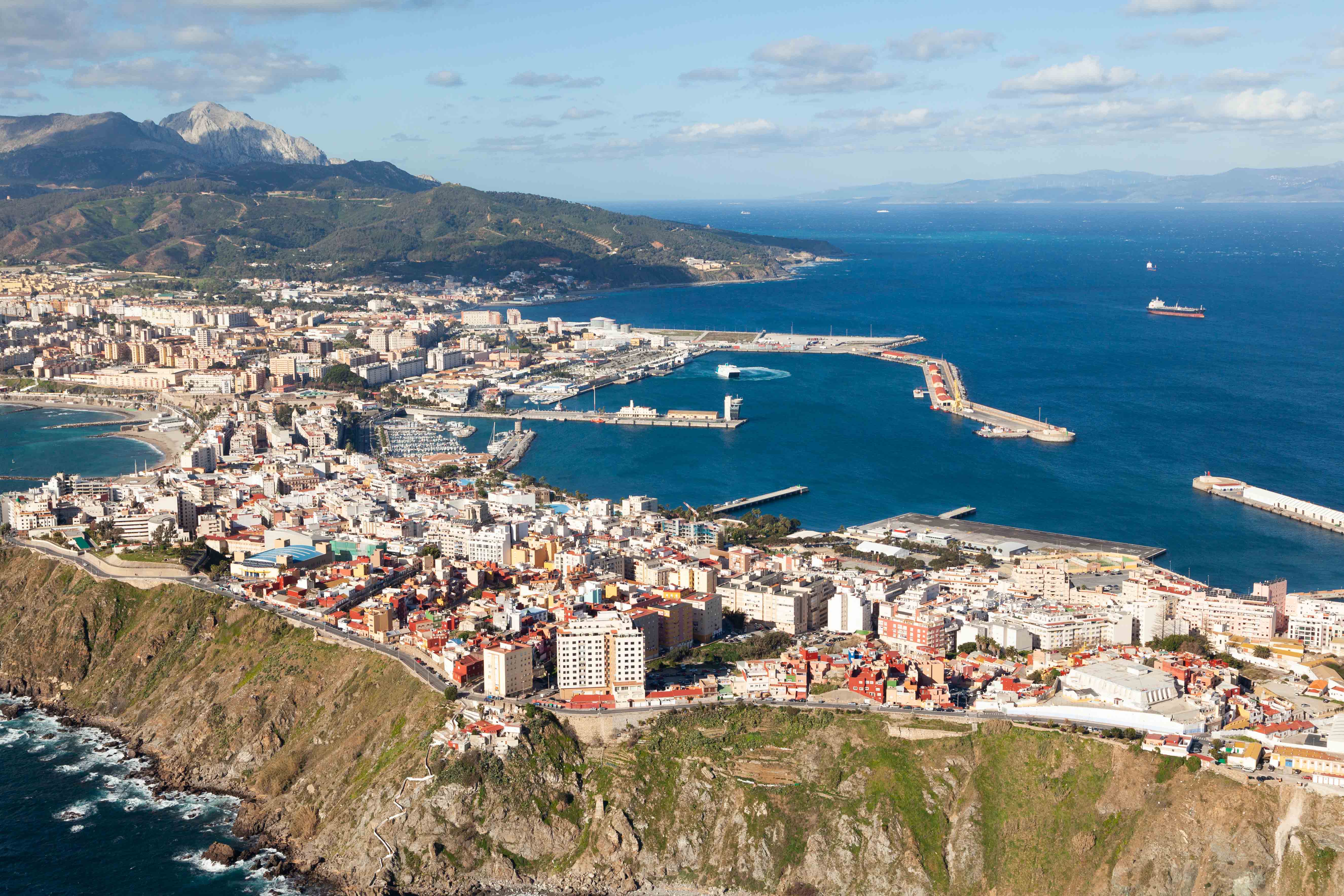
Look at a map. Ceuta spans roughly nineteen square kilometers attached to the northern coast of Africa, completely surrounded by Morocco, separated from mainland Spain by the Strait of Gibraltar. This physical reality dictates every single constraint the territory faces.
For decades, the local economy relied on a peculiar fiscal loophole known as the transit trade. Moroccan cross-border workers and traders brought in tax-free goods, turning the border crossing at Tarajal into one of the busiest pedestrian and commercial transit points in the Mediterranean. When Spain tightened customs controls and Morocco choked off the informal trade routes to boost its own domestic port in Tangier Med, Ceuta’s economic engine stalled.
The standard response from policymakers has been to double down on social subsidies and public sector employment. This approach creates a dependent enclave tethered to Madrid's budget, completely insulated from market realities. Public administration jobs now prop up a disproportionate share of the workforce, crowding out private enterprise and entrepreneurial risk.
True stability does not come from government payrolls. It comes from economic independence. If Ceuta wants to survive long-term, it must abandon the fantasy of traditional industrial manufacturing or agrarian expansion—there is simply no physical space for it. Instead, the enclave needs to aggressively lean into its role as a high-tech logistics outpost and a specialized digital tax haven for Mediterranean trade.
Dismantling the Social Cohesion Myth
Politicians love to point fingers at demographic shifts whenever social tension flares up. They frame the 2021 surge—when thousands of migrants crossed into the city in a matter of days—as a cultural crisis.
The crisis was never cultural. It was institutional.
When you trap populations in congested urban zones with minimal upward mobility, limited access to higher education pipelines, and stagnant labor markets, friction is inevitable. Piling more civic workshops and integration seminars onto the problem changes nothing.
Economic integration precedes social cohesion, never the other way around. People do not fight over identity when they have secure incomes, scalable businesses, and viable career paths. The enclave's administrative framework needs an overhaul that cuts red tape for cross-border commerce, incentivizes tech startups, and leverages its unique tax status under the Economic and Tax Regime to attract remote workers and digital enterprises from across Europe.
The Uncomfortable Trade-Offs
Contrarian strategies carry a cost, and honesty requires admitting them.
Pushing Ceuta toward a high-speed digital and logistics hub means moving away from the old merchant-port model. That transition will hurt traditional retail merchants who profited from the old cross-border bazaar economy. There is no painless way to upgrade an economy. Shielding legacy businesses from competition only accelerates collective decline.
Furthermore, shifting the economic base requires deep cooperation between Spanish national authorities and Moroccan regional leaders—a diplomatic tightrope walk given recurring bilateral tensions.
Yet, clinging to the status quo guarantees a slow slide into irrelevance, funded entirely by mainland taxpayers. Ceuta does not need another emotional summit on coexistence. It needs a commercial revolution. Tear up the bureaucratic playbooks, scrap the subsidized stagnation, and let the market breathe.