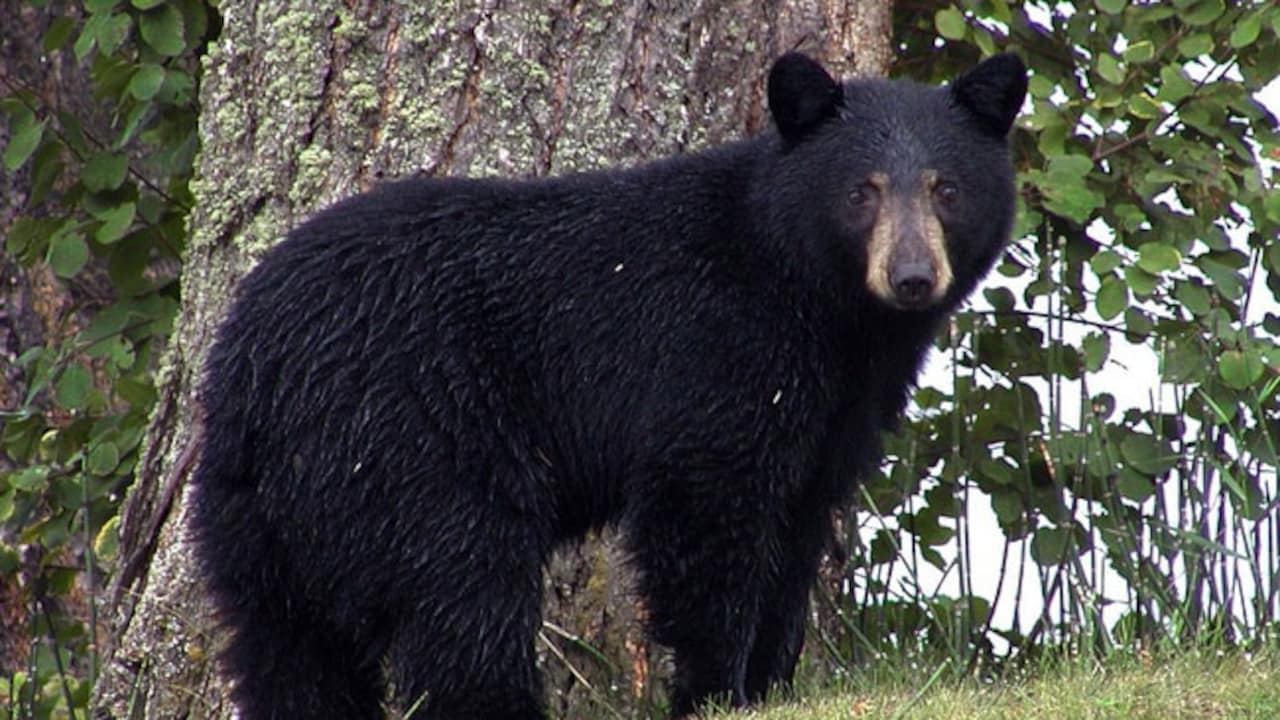
The wind off the Sea of Japan carries a specific chill when it passes over the peaks of Akita Prefecture. It smells of damp cedar, crushed fern, and old snow rotting in the shadows of the ravines. For generations, the people living in the small towns scattered across northern Japan knew exactly where their world ended and the wilderness began. There was a line. You respected it, and the forest respected you back.
That line has vanished. Meanwhile, you can explore similar developments here: The Gateway of Quiet Alliances.
On a quiet morning, the routine of a small northern community does not invite drama. An elderly man steps into his garden to check his radishes. A woman walks toward the local bus stop, her mind on grocery lists or the weather forecast. But the quiet was shattered in four separate locations across the region. Four people, each going about the mundane business of a Tuesday morning, found themselves looking into the black, unblinking eyes of an Asian black bear.
Within hours, four individuals were in hospital beds with severe lacerations and fractures. The headlines in the Tokyo dailies were brief, clinical, and detached: four injured in northern wilderness encounters. They read like weather reports. To understand the bigger picture, we recommend the detailed article by Associated Press.
But a cold tally of casualties misses the true crisis unfolding in the Japanese countryside. This is not a story about rogue predators or bad luck. It is a story about a changing ecosystem, an aging population, and the quiet, irreversible blurring of the boundaries between human civilization and the wild.
The Mechanics of an Encounter
To understand what happened in Akita, you have to understand the mechanics of fear.
An Asian black bear is not the towering grizzly of the American West, but it is a creature of dense, explosive muscle. It can weigh up to two hundred pounds, run faster than an Olympic sprinter, and possess claws designed to tear open rotting logs with the ease of opening a cardboard box. When surprised at close range, its instinct is not flight. It is defense through absolute violence.
Imagine the sudden rupture of the ordinary. One second, you are listening to the crows call across the rice paddies. The next, the bushes explode. There is no time to run. There is no time to think. The air fills with a low, guttural growl that vibrates in your teeth, followed by the smell of wet fur and hot breath.
The physical trauma of a bear swipe is jagged and chaotic. Claws do not cut cleanly; they tear. The victims in these recent encounters suffered deep wounds to their faces, shoulders, and hands—the classic signature of a human trying desperately to shield their vital organs from a descending paw.
When the ambulances wound their way down the narrow mountain roads toward the regional hospital, they carried more than just injured bodies. They carried the realization that the old rules of safety no longer applied.
The Abandoned Landscape
Why are the bears coming down from the high ridges? The answer lies in the shifting demographic reality of rural Japan.
For decades, the countryside has been emptying. Young people migrate to the neon sprawl of Tokyo, Osaka, and Yokohama, leaving behind villages populated almost entirely by the elderly. Fields that were once meticulously cleared and farmed have fallen silent. The satoyama—the traditional borderland zone between the deep forest and human settlements, kept clear by woodcutters and farmers—has grown overgrown and dark.
Consider what happens next:
Without the buffer zone of active human activity, the forest creeps forward. Acorn and beech nut crops in the high mountains have become unpredictable due to shifting climate patterns. When the canopy fails to provide enough food, the bears follow the natural corridors of overgrowth straight into the valleys.
To a hungry bear, an abandoned orchard or a backyard persimmon tree in a quiet village is not a human space. It is simply an extension of the forest floor. The animals are not invading our territory; they are merely reclaiming a space we stopped defending.
The Human Core of the Crisis
The true tragedy of these encounters is the vulnerability of those involved. The victims of rural bear encounters in northern Japan are rarely young hikers equipped with bear spray and high-tech bells. They are almost always elderly residents doing chores outside their own back doors.
There is a profound vulnerability in this. These are people who have lived in harmony with their environment for seventy, eighty years. They know the names of every peak and the timing of every bloom. For them to feel unsafe in their own gardens is a form of cultural displacement. It breeds a quiet, pervasive anxiety that settles over a town. You look twice before walking to the mailbox. You lock your doors not against thieves, but against the woods.
The local governments have responded with the tools they have. Police patrols have been increased, fire trucks blare warnings over loudspeakers at dawn, and local hunting clubs have been mobilized to track the animals. But these are temporary patches on a systemic wound. The hunters themselves are aging, with fewer young people taking up the mantle to manage the wildlife populations.
The Final Frontier
The afternoon after the attacks, the silence returned to the northern towns, but it was a heavy, altered silence. The ridges of Akita still loom over the valleys, beautiful and indifferent, covered in a dense carpet of green that hides a growing tension.
We often treat wildlife management as a problem to be solved with statistics, quotas, and maps. But on the ground, the reality is measured in the sound of a latch clicking shut, the nervous glance toward the tree line, and the scars carried by four neighbors who simply went outside to greet the day.
The forest is no longer staying where it belongs. As the lights in the rural villages continue to go out one by one, the wilderness steps forward to fill the void, one shadow at a time.