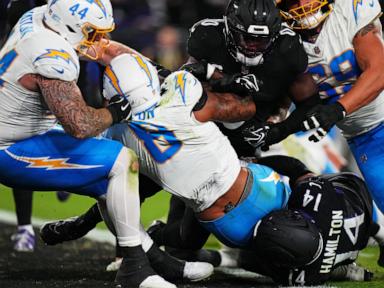
Eleven straight losses leaves a mark on a locker room. You don't just shake off nearly three months of coming up short with a couple of good drives and a celebratory postgame speech.
When the Chargers finally snapped their 11-game losing streak, the immediate reaction from casual observers was predictable. People looked at the final score, saw that the offense did just enough to get across the finish line, and treated it like a lucky break. That reading misses the entire point of what happened on the field.
Winning ugly after an extended skid isn't a fluke. It's usually the first tangible proof that an offense has stopped beating itself.
What Actually Broke the 11-Game Skid
Most losing streaks of that length aren't caused by a total lack of talent. In the NFL, the margin between a 10-win roster and a team stuck in double-digit misery comes down to situational execution. Third downs. Red-zone efficiency. Avoiding the back-breaking turnover right when momentum starts to tilt.
During the 11-game slide, the Chargers repeatedly found ways to stall out in scoring territory. Drives that looked promising between the 20s would evaporate because of a missed protection assignment, a false start on third-and-short, or a forced throw into double coverage. You watch enough tape of teams in a slump and you start seeing the same pattern. Players press. Quarterbacks hold the ball a beat too long trying to manufacture a big play instead of taking the four-yard checkdown that keeps the chains moving.
In the win that finally ended the streak, the offensive progress wasn't flashy, and it didn't need to be. The coaching staff clearly prioritized rhythm over explosive gamble plays. Quick-game concepts got the ball out of the quarterback's hands before the pass rush could dictate the pocket. When you're trying to stop the bleeding, a six-yard slant on first down is worth its weight in gold.
It changes the math for the entire offense. Second-and-four opens up the playbook in ways second-and-ten never will.
Why Offensive Progress Looks Boring Before It Looks Dominant
Fans love highlight-reel touchdowns. Coaches love sustainable drives.
If you're evaluating whether the Chargers' offense actually turned a corner or simply survived a bad opponent, look at how they handled negative plays. Earlier in the losing streak, a single sack or tackle for loss was basically a death sentence for a possession. The offense lacked the structural answers to recover from behind-the-chains situations.
That wasn't the case when they snapped the streak. Instead of panicking after stalled early downs, the unit stayed patient, leaned on manageable intermediate routes, and trusted the offensive line to hold up long enough to convert third-and-medium.
Here is what stood out on film when you strip away the emotional relief of the win:
- Pre-snap discipline improved. Fewer procedural penalties meant the offense stopped handing free yards back to the defense before the ball was even snapped.
- Protection adjustments held up. When opposing fronts brought simulated pressures, the backs and interior linemen actually passed off stunts cleanly rather than letting free runners crash the pocket.
- Situational play-calling matched the personnel. Rather than asking receivers to win isolated vertical matchups on every critical down, the scheme created natural picks and spacing advantages underneath.
None of that goes viral on social media. Yet in professional football, boring efficiency is the exact foundation required before an offense can ever become explosive.
The Psychological Weight of Double-Digit Losing Streaks
People who have never been inside a competitive locker room tend to underestimate how heavy an 11-game losing streak feels by week nine or ten. By that point, everyone is tired of answering the same questions from reporters. Players start looking around wondering who's going to make the mistake that ruins the afternoon.
Trust erodes fast when you're losing every Sunday. Wide receivers wonder if the ball is coming out on time. Offensive linemen start lunging to protect against rushes that haven't even developed yet because they're terrified of giving up a sack. Play-callers second-guess their own instincts on fourth-and-one.
Snapping that streak resets the nervous system of the entire building. Suddenly, the meetings on Monday morning aren't about surviving another autopsy of what went wrong. They're about building on something that actually worked under live pressure.
Honestly, you could see the body language shift on the sideline once the offense strung together back-to-back scoring drives. Confidence in football isn't an abstract motivational poster concept. It's the split-second certainty a quarterback has when he plants his back foot and fires the ball before the receiver even breaks out of his cut. You can't fake that certainty during an 11-game skid, and you can't buy it in free agency. You earn it by executing basic concepts when the game is on the line.
Where the Chargers Offense Still Leaves Room for Doubt
Let's be realistic here. Ending an 11-game losing streak doesn't mean the Chargers suddenly have an elite, finished product on offense. Treating one solid outing like a complete turnaround is just as naive as dismissing the win altogether.
Several glaring issues still showed up on tape, and ignoring them would be a mistake.
First, red-zone finishing remains a legitimate concern. Moving the ball efficiently between the 20s only gets you so far if drives still bog down once the field compresses inside the 10-yard line. Against upper-tier defenses, settling for three points instead of punching in seven will put you right back into the loss column. The spacing gets tighter near the goal line, windows close faster, and the Chargers still looked hesitant when forced to win contested catches in tight quarters.
Second, the run game lacked consistent push on obvious rushing downs. Using short passes as an extension of the run game works well for a half, sometimes even a full game, if the defense plays soft coverage. Eventually, though, disciplined defensive coordinators will squat on those underneath routes and dare you to run the ball straight into a loaded box. If the offensive line can't generate two or three yards after contact when everyone in the stadium knows a run is coming, the passing attack will inevitably stall out again.
Third, explosive plays are still too rare. Long, 12-play marches down the field are great for controlling time of possession, right up until a holding call or a dropped pass derails the tenth play of the drive. High-scoring offenses create easy points through chunk plays—20-yard completions off play-action or crease runs that break into the secondary. Right now, the Chargers are still working way too hard for every single yard they gain.
What Smart Fans Should Watch Next Week
If you want to know whether this offensive progress is real or just a temporary bounce, ignore the total yardage numbers in the next game. Total yards are one of the most misleading stats in football, especially when garbage-time drives inflate the box score.
Instead, track three specific indicators over the next few weeks:
- Third-down conversion rate on distances of four to seven yards. This is the sweet spot where scheme, protection, and quarterback decision-making intersect. Good offenses live here.
- Turnover-worthy plays under pressure. Watch how the quarterback reacts when the first read is taken away and the pocket starts collapsing. Throwing the ball away to live for another down is progress; forcing a cross-body throw into traffic means old habits are creeping back in.
- First-drive scripting. Look at the opening 10 to 12 scripted plays. If the offense comes out sharp, organized, and able to dictate tempo early, it confirms the coaching staff has a clear identity they're building around.
The Chargers finally cleared the biggest mental hurdle on their schedule by putting an end to a brutal 11-game losing streak. The offense didn't need to be perfect to get it done, and it wasn't. It just needed to be functional, disciplined, and composed enough to let its best players make routine plays without self-destructing. Now comes the harder part—proving that baseline competence can survive against defenses that actually respect it.