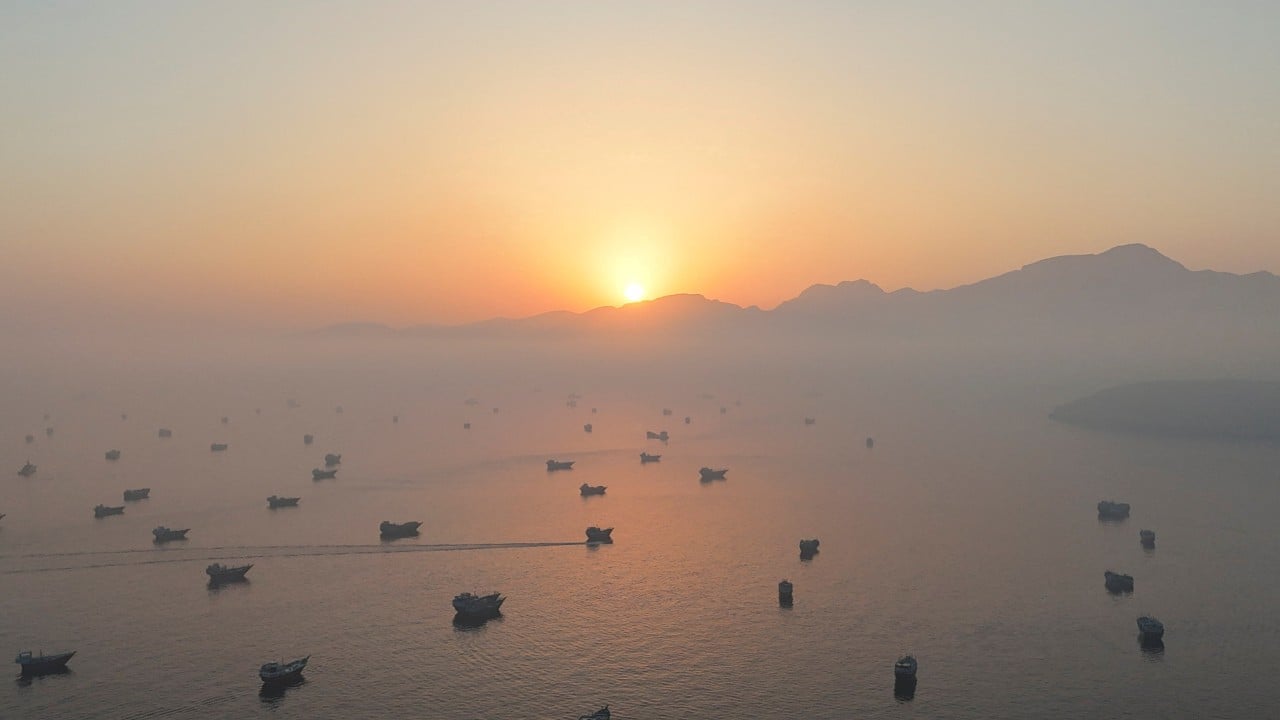
Global trade depends on a few watery bottlenecks, and none matter more for energy markets than the Strait of Hormuz. When tankers stall in that narrow Persian Gulf passage, the shockwaves hit Beijing just as hard as they hit Washington or Tokyo. Yet for years, Beijing's playbook in the Middle East has relied on careful neutrality, diplomatic statements calling for calm, and very little heavy lifting. That diplomatic luxury is running out.
Energy security isn't just an abstract talking point for the world's second-largest economy. China imports more than half of its crude oil, and a massive chunk of those imports sail straight through the Strait of Hormuz from Gulf suppliers like Saudi Arabia, the United Arab Emirates, and Iran. When tensions spike and insurance rates skyrocket for vessels moving through the region, Beijing feels the pinch immediately at home. Writing press releases about dialogue doesn't keep refineries running when tankers are turning back.
The Limits of Economic Diplomacy
Beijing loves to portray itself as a neutral broker. You see the pattern repeatedly. Trade deals get signed, high-level visits happen in Riyadh and Tehran, and state media praises win-win cooperation. But neutrality has a strict expiration date when physical security breaks down.
Think about how China handled past regional flare-ups. Trade ties with Iran haven't translated into an ability to prevent disruptions. Tehran listens to Beijing when oil sales are on the table, but maritime safety in the Strait requires actual deterrence and operational capability—things that require projecting power or backing diplomacy with hard security guarantees. So far, China has dodged that responsibility. They prefer to buy the oil while letting external navies handle the messy business of keeping the sea lanes clear.
That free-rider approach worked fine when maritime security was taken for granted. It doesn't work anymore. The security architecture anchored by the United States Navy is shifting, and regional actors are noticing who actually steps up when shipping comes under fire.
What Real Leadership Actually Looks Like
If Beijing wants to be taken seriously as a global superpower, it has to move past recycled talking points. Issuing statements that urge "all parties to exercise restraint" sounds hollow when commercial vessels are dodging explosive drones.
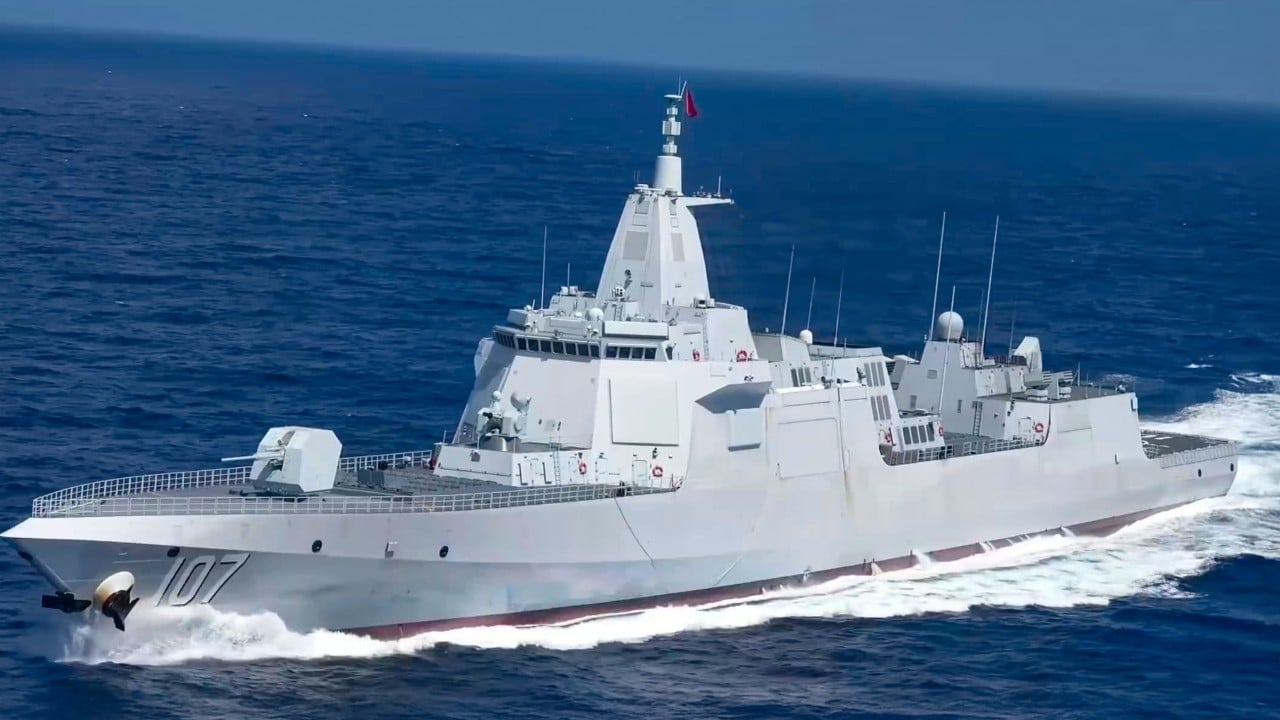
Real leadership means putting skin in the game. That doesn't necessarily mean launching unilateral military interventions or recreating old superpower rivalries. It means coordinating joint patrols, sharing intelligence transparently with regional partners, and using genuine economic leverage to press actors into stopping hostile actions against shipping. China has naval assets deployed for anti-piracy operations off the Horn of Africa. Expanding that operational scope northward into the broader security framework of the Gulf isn't technically impossible—it's a matter of political will.
The current strategy relies on hoping for the best. That's a terrible risk management policy for a manufacturing giant that needs steady energy flows to keep factories humming.
The Domestic Cost in Beijing
Energy price volatility hits ordinary consumers and industrial hubs across China faster than most people realize. When crude spikes because Hormuz is choked off, profit margins vanish for manufacturers. Small and medium enterprises absorb those costs, leading to factory slowdowns and employment friction.
Beijing's economic planners spend sleepless nights worrying about supply chain resilience. They've spent billions securing overland pipelines through Central Asia and Russia to diversify away from maritime choke points. But those pipelines can't replace tanker volumes overnight. The maritime route remains the lifeblood of industrial output. Ignoring the vulnerability of that route is pure self-delusion.
Moving Past Empty Words
Statements are cheap. Oil tankers cost hundreds of millions of dollars, and the energy they carry fuels global supply chains. When regional stability hangs by a thread, issuing calls for calm is just whistling past the graveyard.
The calculus in Beijing needs to shift from commercial opportunism to genuine security stewardship. If China wants the geopolitical status of a superpower, it needs to act like one when the vital arteries of global commerce are bleeding. The era of sitting on the sidelines while others secure the sea lanes is over.