Don't be fooled by the high-flown rhetoric coming out of Beijing. When China talks about "patient diplomacy" and "peace for Iran," it isn't playing the role of a selfless global peacemaker. It's playing the role of a landlord who’s tired of the neighborhood being on fire. Since the coordinated strikes by Israel and the U.S. in February 2026, the region has been a mess. Beijing's current play is a mix of tactical silence and behind-the-scenes arm-twisting that isn't about ethics—it's about survival.
The reality is that China needs a stable Iran more than it needs a revolutionary one. Most people think China is just backing Tehran to spite Washington, but that's a shallow take. Beijing is currently walking a razor-thin line. It has to keep the oil flowing through the Strait of Hormuz, where nearly 40% of its crude imports pass, while avoiding a direct military brawl with the U.S. Fifth Fleet. It’s a pragmatic, cold-blooded strategy that uses time as a weapon.
The Myth of Neutrality
China claims it's a neutral broker, but "neutral" is a generous word for what’s actually happening. By vetoing UN resolutions aimed at opening the Strait of Hormuz by force, Beijing effectively gave Iran a diplomatic shield. This isn't just about sticking up for a friend. It’s about ensuring that the U.S. doesn't get to dictate the terms of global energy transit.
If you look at the numbers, the stakes are staggering. China is Iran’s biggest customer, taking in roughly $31 billion in "unreported" oil in 2025 alone. They’ve promised $400 billion in investments over 25 years. But here’s the kicker: very little of that money has actually been spent. Beijing likes to hold those billions over Tehran's head like a carrot. It’s a "wait and see" approach. They won't build the factories and the ports until they’re sure the bombs have stopped falling for good.
Pressure Without the Fireworks
While the U.S. uses "maximum pressure" through sanctions and carrier groups, China uses "maximum patience." They’ve spent the last two months engaging in what diplomats call "shuttle diplomacy." Special envoy Zhai Jun has been bouncing between Gulf capitals, not to demand a surrender, but to find the point where everyone’s wallet starts hurting enough to quit.
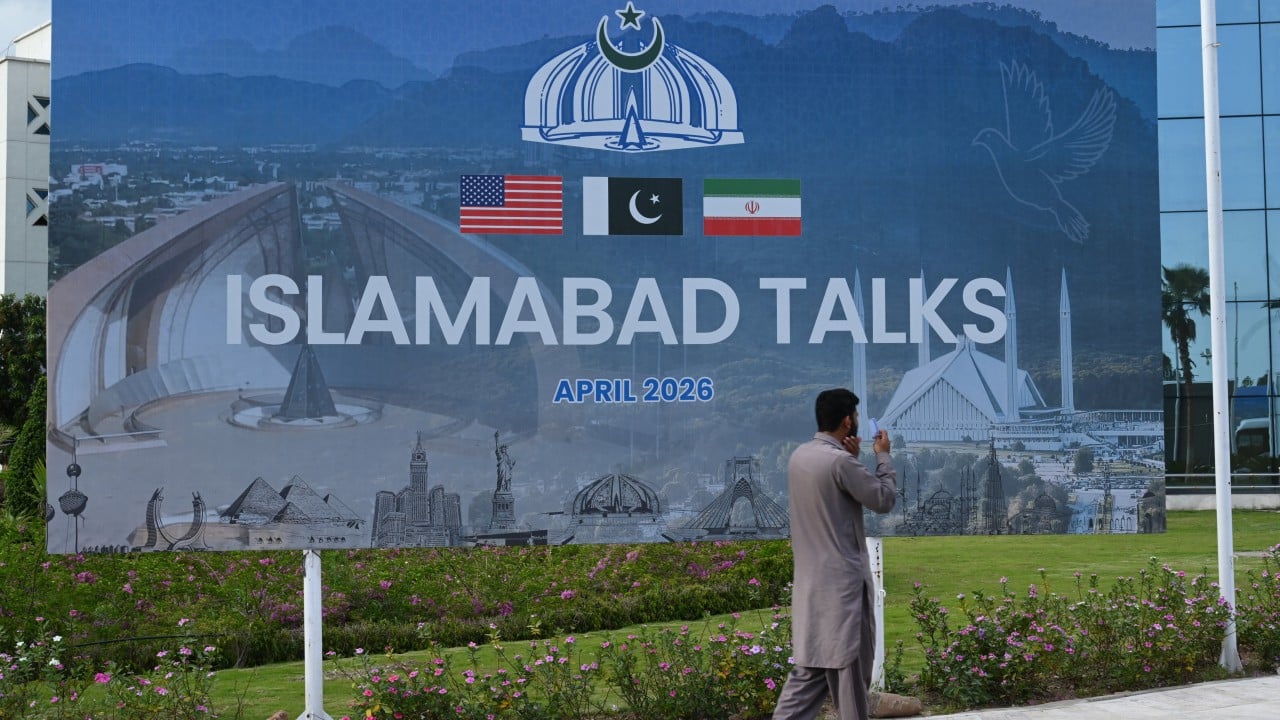
Earlier this month, China played a quiet but decisive role in getting Iran to accept a two-week ceasefire proposal in Islamabad. They didn't do it with threats. They did it by reminding Tehran that if the war drags on, the "shadow fleet" of tankers carrying Iranian oil won't have a safe port to return to. Honestly, it's a brilliant bit of leverage. They’re basically telling Iran, "We’re your only lifeline, so don't make us regret it."
Why the Pakistan Peace Plan Matters
The joint five-point proposal released by China and Pakistan in March 2026 is the blueprint for how Beijing wants the world to look. It focuses on two things: sovereignty and "normal navigation." To the casual observer, that sounds like boilerplate fluff. To a strategist, it's a direct challenge to American naval dominance.
By insisting on "normal navigation" in the Strait of Hormuz, China is trying to delegitimize the U.S. blockade without firing a single shot. They’re framing the U.S. as the disruptor of global trade and themselves as the guardians of the economy. It’s a narrative shift that’s winning fans in the Global South, even if it hasn't actually stopped the fighting yet.
The Problem with Dual-Use Support
You can’t talk about China’s peace efforts without looking at the darker side of their "support." U.S. intelligence reports from April 13, 2026, suggest that while Beijing talks about peace, they’re also prepping shipments of MANPADS—man-portable air-defense systems—to Iran.
This seems like a contradiction, right? It’s not. Beijing wants to ensure that Iran is strong enough to survive a conflict but not so strong that it feels it can win one. If Iran is too weak, the U.S. wins and gains total control of the Middle East. If Iran is too strong, it might do something reckless that shuts down the oil trade for years. China wants a stalemate. A stalemate requires diplomacy, and diplomacy requires a "patient" broker like Beijing.
Economic Security is the Real Goal
We have to stop looking at this through the lens of Cold War 2.0. For China, the Middle East is a gas station, not a battlefield. In 2025, China’s trade with Saudi Arabia and the UAE reached over $100 billion each. They cannot afford to pick a side and lose the other.
The 2023 Saudi-Iran deal, which China famously brokered, was the first test of this theory. It proved that Beijing could get rivals in the same room. But the current war is a much harder test. It’s one thing to get people to reopen embassies; it’s another to get them to stop launching missiles.
What Happens Next
If you're watching the headlines, don't look for a grand peace treaty signed on a lawn. That’s not how China works. Instead, look for small, incremental steps:
- Technical de-escalation: Watch for "safety zones" around oil infrastructure that both sides agree not to hit.
- The Shadow Fleet: Keep an eye on the volume of Iranian oil moving to Chinese ports. If those numbers stay steady despite the blockade, China’s diplomacy is working.
- Regional Summits: Beijing will continue to host "security forums" that exclude Western powers, slowly building a regional order where the U.S. is the outsider.
Don't expect China to suddenly become a "responsible stakeholder" in the way Washington wants. They aren't going to police the region. They aren't going to send their own carriers to protect the tankers. They’re going to keep talking, keep buying cheap oil, and keep waiting for everyone else to get tired of the mess.
Beijing’s version of peace isn't the absence of tension. It’s just the absence of war that interrupts the flow of cash. For now, that’s the best the region is likely to get. If you're looking for a moral crusader, you're looking in the wrong place. If you're looking for a cold, calculated interest in stability, look to China.
Start watching the movement of Chinese "dual-use" tech through third-party countries like Pakistan. That’s where the real story is. If the shipments of spare parts and radar tech slow down, it means Beijing thinks the diplomacy is working. If they speed up, get ready for a long, hot summer in the Gulf.