The air in the wheelhouse of a Panamax tanker smells of stale coffee, recycled oxygen, and the metallic tang of salt-crusted electronics. For a captain navigating the Strait of Hormuz, the scenery is deceptive. To the left and right, the horizon is a shimmering haze of desert heat and turquoise water. It looks peaceful. It looks infinite.
It is a trap.
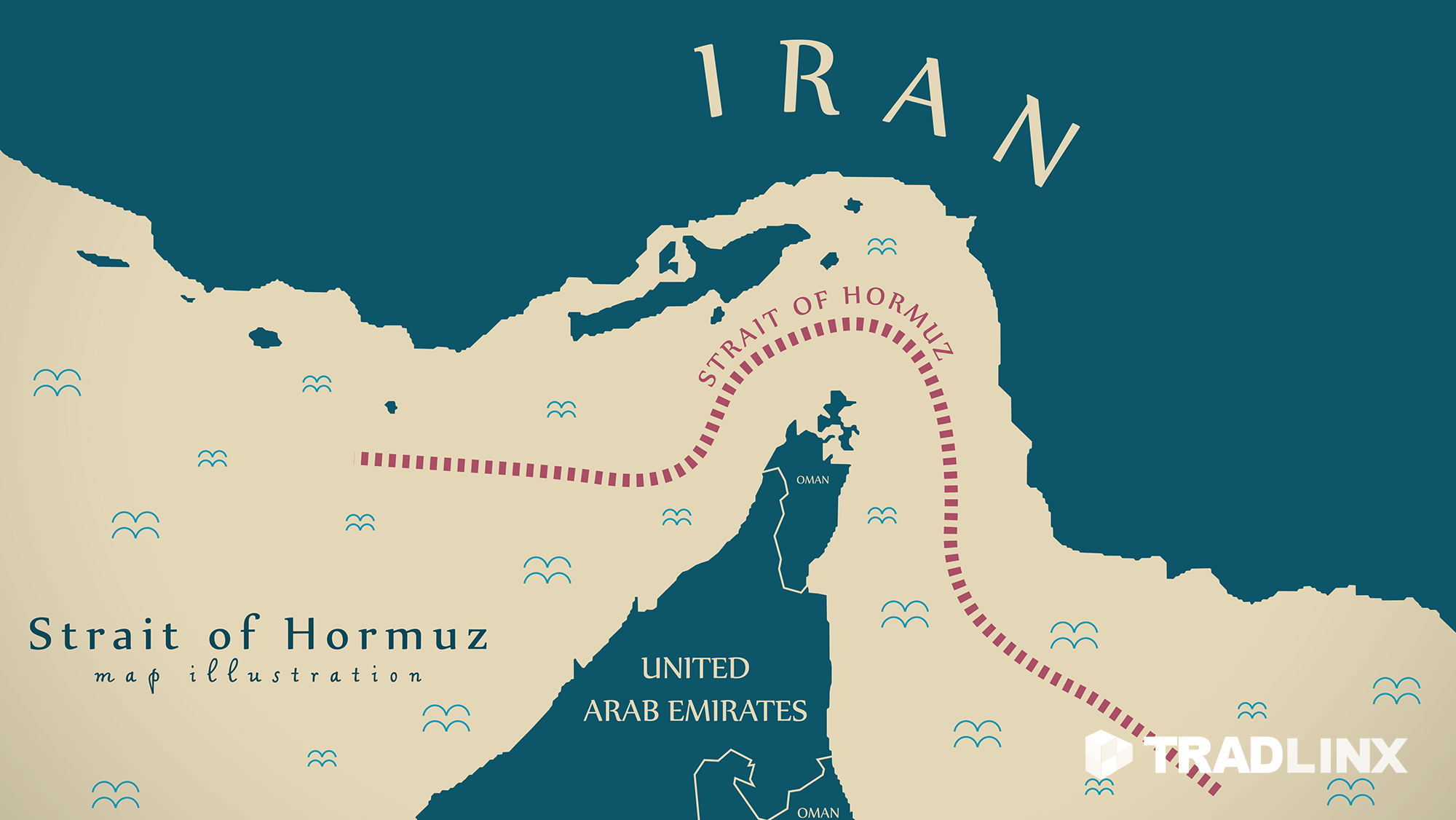
Through this narrow neck of water, barely twenty-one miles wide at its tightest squeeze, flows one-fifth of the world’s liquid energy. If the global economy has a jugular vein, this is it. When a tanker enters these waters, it isn't just carrying oil; it is carrying the stability of your local gas station, the cost of your groceries, and the geopolitical leverage of superpowers.
For months, the tension here has been a physical weight. Mines have clung to hulls like parasites. Drones have buzzed like angry wasps. Now, a new directive from the White House aims to change the math of the strait. President Trump has signaled that the United States will move to "guide" and protect ships through this gauntlet.
It sounds like a simple logistical shift. In reality, it is a high-stakes gamble on the psychology of naval warfare.
The Geography of Anxiety
To understand the stakes, you have to look at the map through the eyes of a merchant mariner. Imagine you are driving a vehicle the size of an upright skyscraper through a narrow alleyway while people on the rooftops are throwing matches. You can’t stop. You can’t turn quickly. You are entirely dependent on the rules of the road being respected by everyone else.
The Strait of Hormuz is not just a waterway; it is a pressurized chamber. On one side lies the Arabian Peninsula, on the other, the jagged coastline of Iran. The shipping lanes themselves are only two miles wide in each direction, separated by a two-mile buffer zone. It is a precision dance performed by giants.
When the U.S. announces it will guide these ships, it is an attempt to thicken the air around them. By providing naval escorts or "guidance," the U.S. Navy is effectively telling any regional actor that to touch the tanker is to touch the American flag. This isn't just about protection. It is about presence. It is about making the cost of interference so high that the matches stay in the pockets of the people on the roofs.
The Invisible Weight of a Barrel
Why does a merchant ship in a distant gulf matter to a family in a suburban driveway? Because the price of oil is a sensitive, neurotic beast. It doesn't react to what is happening so much as what might happen.
Every time a headline flashes about a seized vessel or a "guided" convoy, a trader in a glass tower in London or New York adjusts a spreadsheet. Those adjustments ripple outward. They affect the shipping insurance premiums that companies must pay to sail through "war risk" zones. Those premiums are passed to the refineries. The refineries pass them to the distributors.
By the time you pull the trigger on the gas pump, you are paying for the perceived safety of a ship you will never see, manned by a crew you will never meet.
The move to guide these ships is an attempt to settle the market's stomach. If the U.S. can project a sense of order, the "fear premium" on a barrel of oil drops. Stability is the product being exported here, even more than the crude oil sitting in the bellies of the tankers.
The Human Element in the Hull
We often talk about these events as moves on a chessboard. We forget the men and women in the engine rooms.
Consider a hypothetical engineer named Elias. He’s spent three months at sea. He sends most of his paycheck back home to his family in Manila. When he hears the vibration of a high-speed patrol boat approaching his ship, he isn't thinking about the "Global Energy Security Initiative." He’s thinking about the thickness of the steel between him and the water. He’s thinking about whether he will see his daughter’s graduation.
The presence of a U.S. destroyer on the horizon changes Elias’s day. It changes the posture of the crew. But it also raises the temperature. An escort is a shield, but it is also a target. The "guidance" promised by the administration is a double-edged sword: it provides security, but it also formalizes the conflict. It turns a commercial transit into a military operation.
The ships aren't just stranded by logistics; they are stranded by uncertainty. They are waiting for a signal that the path is clear, or at least, that someone with a very big gun is watching their back.
The Logistics of a Guardian
Providing guidance isn't as simple as trailing a ship. It involves a massive technological and sensory apparatus.
The U.S. Navy utilizes a "layered" approach to these transits. Far above, satellite arrays track every metallic signature in the water. High-altitude drones provide a constant video feed, looking for the tell-tale wake of small, fast-attack craft. On the surface, Aegis-equipped destroyers use radar systems capable of tracking hundreds of targets simultaneously, from a low-flying missile to a piece of floating debris that might be a mine.
This guidance also involves communication. The U.S. is essentially acting as a traffic controller for a high-risk zone, advising captains on speed, heading, and what to do if they are hailed by foreign navies. It is an assertive form of diplomacy, backed by the humming turbines of a Carrier Strike Group.
But there is a catch. The U.S. has been clear that it cannot do this alone indefinitely. The administration is pushing for a "coalition of the willing"—an international effort to share the burden of policing these waters. The logic is simple: if the world wants the oil, the world must help protect the pipes.
The Fragile Silence
There is a specific kind of silence that happens on a ship when it finally clears the strait and enters the open water of the Arabian Sea. The tension in the bridge relaxes. The officers stop squinting at every blip on the radar. The "guidance" has done its job.
Yet, this solution is a bandage, not a cure. By committing to guide these ships, the U.S. is stepping deeper into a role it has tried to scale back for years: the ultimate guarantor of global trade routes. It is a role that requires constant vigilance and an enormous amount of money.
The Strait of Hormuz remains a place where a single mistake—a misunderstood radio call, a nervous sailor, a mechanical failure—could ignite a conflagration that no amount of guidance could contain.
As the sun sets over the gulf, casting long, orange shadows over the superstructures of the world's fleet, the gray hulls of the navy ships continue their patrol. They are the thin line between a functioning world and a chaotic one. They are the reason the lights stay on, even if the people under those lights have no idea how close the darkness really is.
The water remains calm, but beneath the surface, the pressure continues to build, waiting for the next ship to test the silence.