Tehran just celebrated a midterm verdict it does not actually understand.
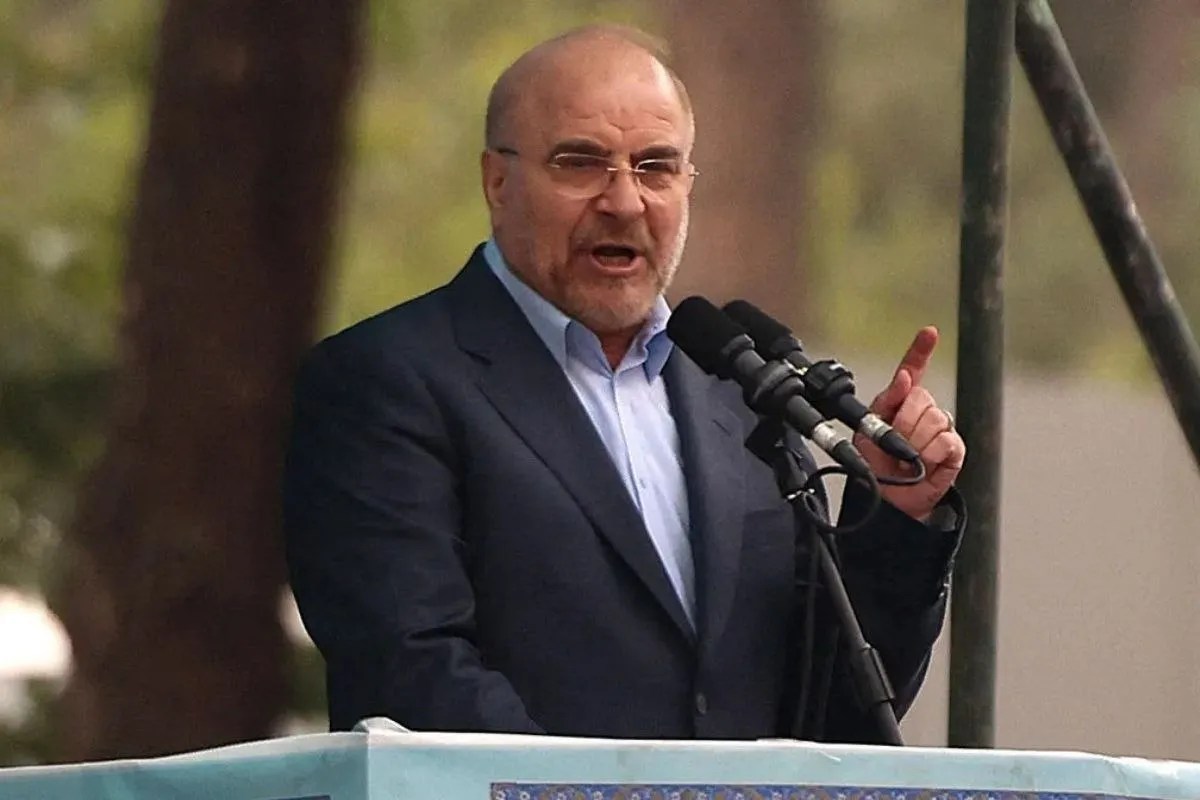
Parliament Speaker Mohammad Bagher Ghalibaf declared that Americans said "no to war" after Democrats swept both chambers of Congress in November 2026. Standard wire coverage repeats that line as neat cause and effect. Voter anger over the Iran conflict cost Republicans their majorities, so Tehran reads the ballot box as a peace referendum.
Lazy consensus. Pure wishful thinking.
Having spent years tracking geopolitical risk, oil shock exposure, and sovereign miscalculation across the Persian Gulf, I have watched smart analysts blow millions on this exact error: mistaking domestic political fatigue in Washington for strategic restraint on the battlefield. When a foreign capital reads American midterm shifts as a surrender signal, it misprices both presidential war powers and voter psychology.
The Lazy Consensus Everyone Is Repeating
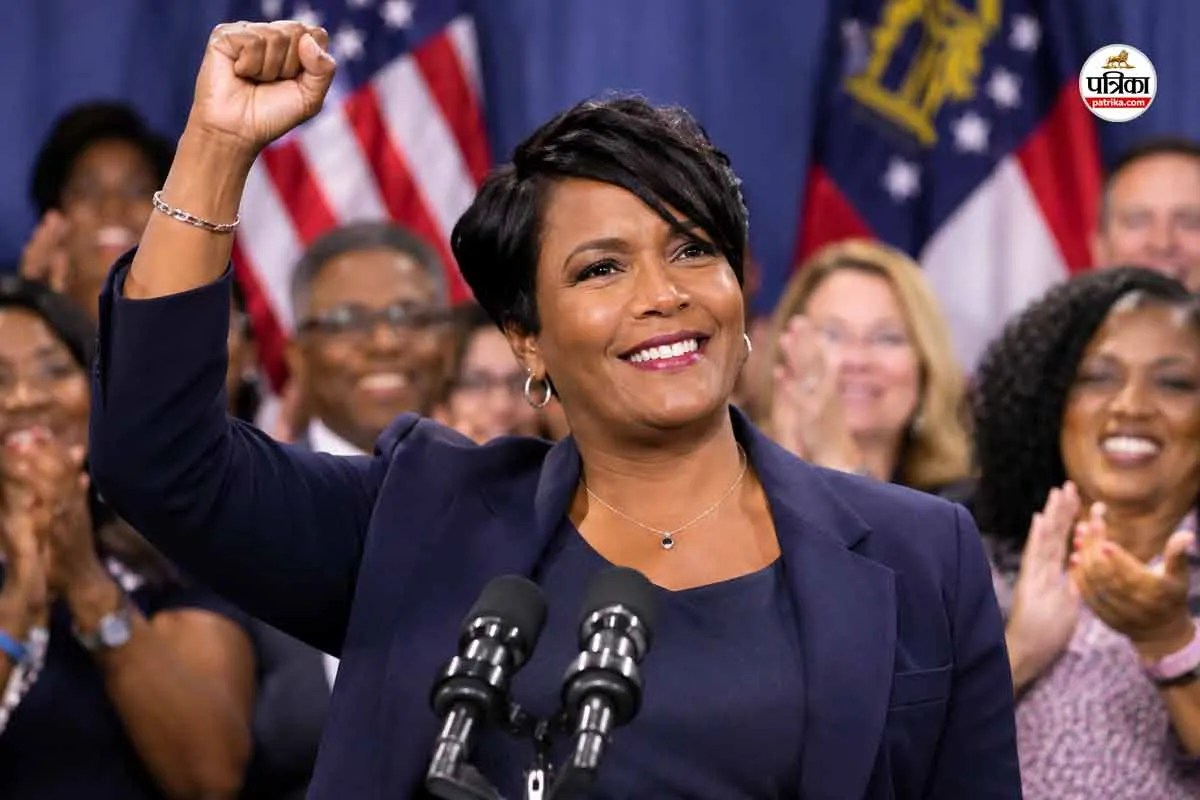
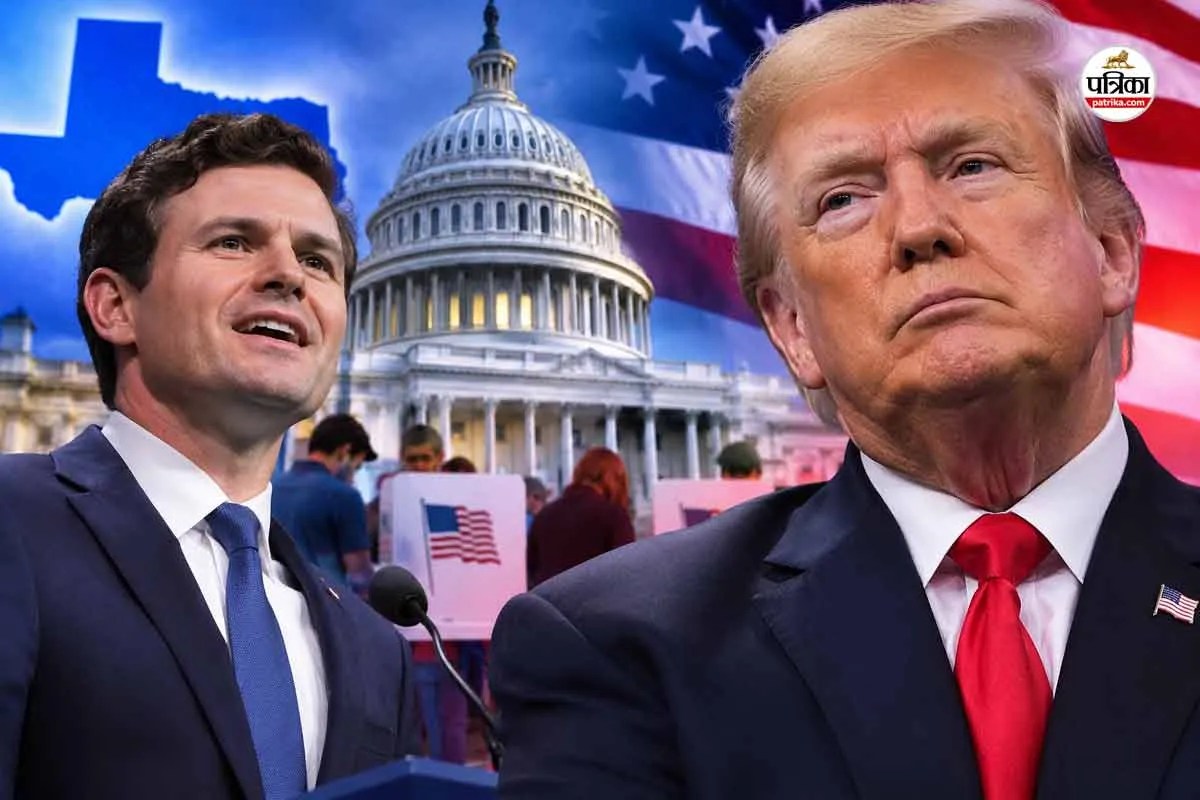
The baseline narrative goes like this. After more than eight months of military escalation with Iran, rising fuel prices, and a taxpayer bill climbing into the tens of billions, voters punished the GOP. Ghalibaf pointed to inflation, military intervention, and public conscience, framing the result as a popular mandate against war. Even Vice President JD Vance acknowledged that the conflict weighed heavily on Republican candidates.
That framing is half-baked. It treats foreign policy grievances as an isolated ballot issue rather than part of a pocketbook squeeze.
Survey data after the election shows why that distinction matters. Voters were angry about the Iran war—roughly six in ten in large post-election polling faulted the military action. Yet cost of living, inflation, and expensive gas sat right alongside it. When gasoline jumps and household budgets tighten, voters punish the party in power. Calling every anti-incumbent vote an ideological vow of pacifism confuses wallet pain with foreign policy doctrine.
Why "Americans Don't Want War" Is the Wrong Question
Ask whether Americans want endless foreign wars, and the answer is obvious. Almost nobody votes for open-ended conflict or higher pump prices.
Ask the sharper question instead: What happens when an unpopular war collides with a lame-duck calculus?
Here is the trap Tehran is walking into. A midterm wave against the president's party does not automatically tie the commander-in-chief's hands. Throughout 2026, war powers resolutions repeatedly ran into Senate resistance or partisan backpedaling, and even when lawmakers registered opposition, constitutional and practical levers still left the White House plenty of room to maneuver.
More counter-intuitively, a midterm loss can make a president more unpredictable, not less. When domestic political capital shrinks in Congress, executives often lean harder into executive action, security rationales, or decisive strikes rather than conceding defeat to an adversary celebrating in public squares.
A midterm defeat strips a president of congressional goodwill; it rarely strips a president of the urge to prove strength before the next news cycle.
What People Also Ask—And Where the Premise Breaks
Did the 2026 midterm elections force the U.S. to end the war with Iran?
No. Elections shift legislative leverage, budget fights, and oversight hearings. They do not automatically halt military operations or reopen maritime chokepoints like the Strait of Hormuz on their own.
If you assume a congressional flip equals an immediate ceasefire, you are reading U.S. civics like a fairy tale. A new majority can hold hearings, pass symbolic resolutions, and complicate funding over time, while a president can still order strikes, target threats, or use negotiations as leverage.
Did inflation or the Iran war hurt Republicans more?
Both fed the same fire, and separating them cleanly misleads you. High fuel costs and daily expenses hit ordinary households directly, while the war amplified economic anxiety and divided even parts of the president's own coalition.
When voters feel squeezed at the pump and at the grocery store during an active conflict, they do not fill out a neat spreadsheet assigning separate blame weights. They fire the incumbent party.
Why is Iran's leadership celebrating the results so loudly?
Public triumphalism serves domestic and regional theater. By framing Democratic gains as a victory for Iranian resistance, Tehran's leaders project strength at home and signal resolve to regional partners and rivals alike.
Notice the contradiction inside Tehran's own messaging, though. Some officials claim Americans rejected war, while Supreme Leader Ayatollah Mojtaba Khamenei warned against expecting partisan shifts in Washington to change American hostility. That second warning is much closer to reality than the victory lap.
Thought Experiment: The Misread Signal
Imagine a scenario where a chess player sees their opponent lose pieces on the left side of the board and assumes the opponent is resigning the match. Acting on that assumption, the first player pushes pawns forward without guarding the king. In reality, the opponent has simply shifted weight to the center for a sharper counter-punch.
That is the risk of treating American midterm swings as permanent geopolitical retreat. Domestic politics in Washington moves in two-year cycles and sharp swings. Strategic rivalries over regional dominance, energy routes, and deterrence do not reset just because a midterm map turns blue.
The Downside of Bet Against Consensus
My contrarian thesis has a real blind spot, and pretending otherwise would make me just another pundit selling certainty.
If war fatigue deepens faster than expected, if energy markets stay volatile, or if a Democratic-led Congress builds sustained political pressure to wind down escalation, Washington could indeed face tighter constraints than hawks anticipate. Political gravity does matter when budgets and casualties mount. Betting blindly on endless escalation can backfire just as hard as betting on instant peace.
How to Read This Moment Without Getting Burned
If you run a business, manage risk, or cover geopolitics, stop trading headlines about "public sentiment" as if they were binding treaties. Do three things instead:
- Track energy and shipping metrics ahead of speeches. Rhetoric from Tehran or Washington moves markets for an hour; tanker flows, insurance rates, and crude prices show whether real pressure is building or easing.
- Separate congressional noise from executive action. Watch actual funding bills, sanctions enforcement, and military deployments rather than cable-news posturing.
- Price in miscalculation. The biggest danger in a standoff is not calculated rationality; it is one side misreading the other's domestic politics and overplaying a weak hand.
Voters may hate war and hate high prices. That does not mean the guns go quiet on command.