Coke isn't saving the restaurant industry. It’s paying for the funeral.
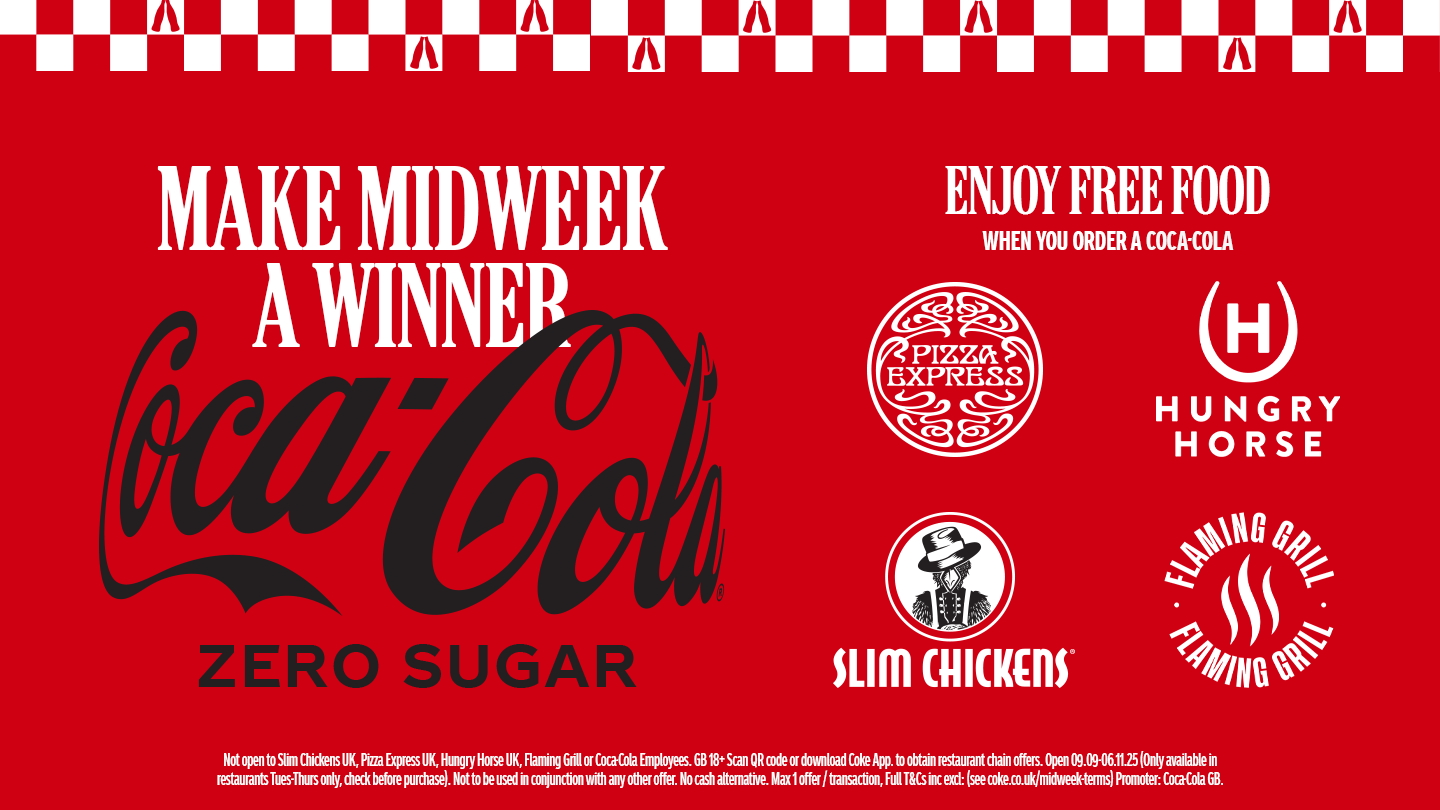
The latest "A Meal to Remember" campaign—a desperate alliance between Coca-Cola and thirteen struggling restaurant chains—is being hailed by mid-market analysts as a strategic masterstroke to combat falling diner traffic. They’re wrong. This isn't a growth strategy. It’s a liquidity injection masquerading as marketing.
When a multi-billion dollar beverage giant partners with brands like Arby’s, Cheesecake Factory, and Five Guys to "encourage people to eat out," they aren't solving the problem of why people aren't eating out. They are simply trying to delay the inevitable correction of an over-saturated, over-priced, and under-performing casual dining sector.
The Fallacy of the "Occasion"
The industry consensus is that diners have simply "forgotten" the joy of sitting in a booth. The fix? A high-gloss ad campaign reminding you that burgers taste better with a cold soda.
This is an insult to the consumer’s intelligence. People aren't staying home because they’ve developed amnesia regarding the existence of Buffalo Wild Wings. They’re staying home because the value proposition of casual dining has collapsed. Between 2022 and 2026, the cost of limited-service and full-service meals outpaced wage growth significantly. When you add the "tipping fatigue" and the plummeting quality of service due to labor shortages, the "occasion" Coke is trying to sell feels more like a chore.
Coke isn't selling a lifestyle here. They are defending their shelf space. In the beverage world, "fountain" sales are high-margin gold. If traffic at these thirteen chains drops by 10%, Coke’s high-margin syrup volume drops with it. This campaign is a desperate attempt by a supplier to prop up a failing distribution channel.
Why Joint Marketing is a Sign of Weakness
In a healthy economy, a restaurant chain doesn't need its soda provider to help it explain why people should buy lunch. The fact that these giants have to huddle together for warmth suggests that the individual brand equity of these chains has evaporated.
When brands collaborate at this scale, they dilute their specific identity into a generic "Dining Out" category. This is the "Got Milk?" mistake. Generic category marketing helps the market leader, but it does nothing for the laggards. If this campaign actually works and someone decides to go out for dinner, they might choose a local independent spot instead of the corporate chains Coke is footing the bill for. Coke still wins—they’re in the local spot too—but the thirteen chains just spent their internal resources helping their competitors.
The Margin Trap
Let’s talk about the math that the press releases ignore. Most of these restaurant chains are operating on razor-thin margins. Traffic is down, labor is up, and food costs are volatile.
The "lazy consensus" says that more traffic equals more profit. Not necessarily. If you drive traffic through heavy discounting or high-spend ad blitzes, you often end up "buying" customers at a loss.
Imagine a scenario where a diner visits Arby’s because they saw a Coke-funded ad. If that diner only comes because of a perceived "deal" or a temporary nudge, they are the least loyal, most price-sensitive customer. The moment the ad spend stops, they vanish. Coke can afford to play this game because their marginal cost for another gallon of syrup is pennies. For the restaurant owner, the marginal cost of another bodies-in-seats customer includes labor, utilities, and high-cost proteins.
Coke is playing a high-volume game. The restaurants are playing a survival game. Those two goals are not the same.
The Real Reason Traffic is Falling
The industry wants to blame "post-pandemic shifts" or "inflation." Those are convenient scapegoats. The brutal reality is that the middle-market restaurant is a relic.
We are seeing a massive bifurcation in the market. On one end, you have high-end "experience" dining that people will still pay for. On the other, you have ultra-convenient, tech-driven fast food. The "middle"—the sit-down chains with 40-page menus and mediocre lighting—is being squeezed out of existence.
Coca-Cola’s campaign is trying to use nostalgia to bridge a gap that can only be fixed by innovation. You cannot "ad" your way out of a bad product-market fit. People have realized they can get a better-quality meal through a premium grocery store or a high-end meal kit for half the price and zero of the hassle of driving to a strip mall.
The Hidden Cost of the "Default Beverage"
For decades, the restaurant-soda relationship was a symbiotic monopoly. You didn't ask what they had; you just said "Coke."
But the "Liquid Refreshment Beverage" (LRB) market has fractured. Gen Z and Younger Millennials are not carbonated soft drink (CSD) loyalists. They want functional water, premium teas, or nothing at all. By doubling down on the "Burger and a Coke" trope, these restaurant chains are tying their identity to a declining beverage habit.
Instead of pivoting to what the modern consumer actually wants—healthier options, transparency, and speed—these thirteen chains are letting a 19th-century sugar-water company dictate their 21st-century marketing strategy. It’s the tail wagging the dog.
The Strategy of Distraction
This campaign is a classic "distraction play" for shareholders. When a CEO can't report organic traffic growth, they announce a "groundbreaking partnership." It sounds active. It sounds collaborative. It looks great in a PowerPoint deck.
But look at the data. Foot traffic in casual dining has been on a downward trend for years, briefly interrupted by the post-lockdown surge. The fundamental "jobs to be done" for these restaurants—convenience and value—are being handled better by other sectors.
- Convenience: Taken by Ghost Kitchens and DoorDash.
- Value: Taken by "Private Label" premium groceries (Trader Joe’s, etc.).
- Experience: Taken by local, authentic eateries.
Where does that leave a national chain with 500 identical locations? It leaves them in the "Dead Zone."
Stop Fixing Traffic, Start Fixing the Business
If I were sitting in the C-suite of these thirteen chains, I would be terrified that my brand requires a subsidy from Coca-Cola to remain relevant.
The advice they need isn't "make the soda look crisper in the commercial." It’s "shrink your footprint by 30%, fire your branding agency, and fix the menu."
The industry is obsessed with "getting people back." They should be obsessed with being "worth going back to." Most of these chains have spent the last five years cutting portions, raising prices, and automating the "hospitality" out of their brand. You can't fix a soul-less experience with a 30-second spot about "togetherness."
The Counter-Intuitive Truth
The most successful restaurants of the next decade will be the ones that don't participate in these massive, generic conglomerates. They will be the ones that lean into scarcity, locality, and specific brand identity.
By joining this "thirteen chain" collective, these brands have admitted they are commodities. They are parts of a machine designed to move syrup.
Coca-Cola isn't the hero of this story. They are the landlord of a dying mall, offering a one-month rent credit to tenants who are already packing their bags. It’s a nice gesture, but it doesn't change the fact that the shoppers are gone.
The casual dining bubble is bursting. You can’t inflate it with carbonation.