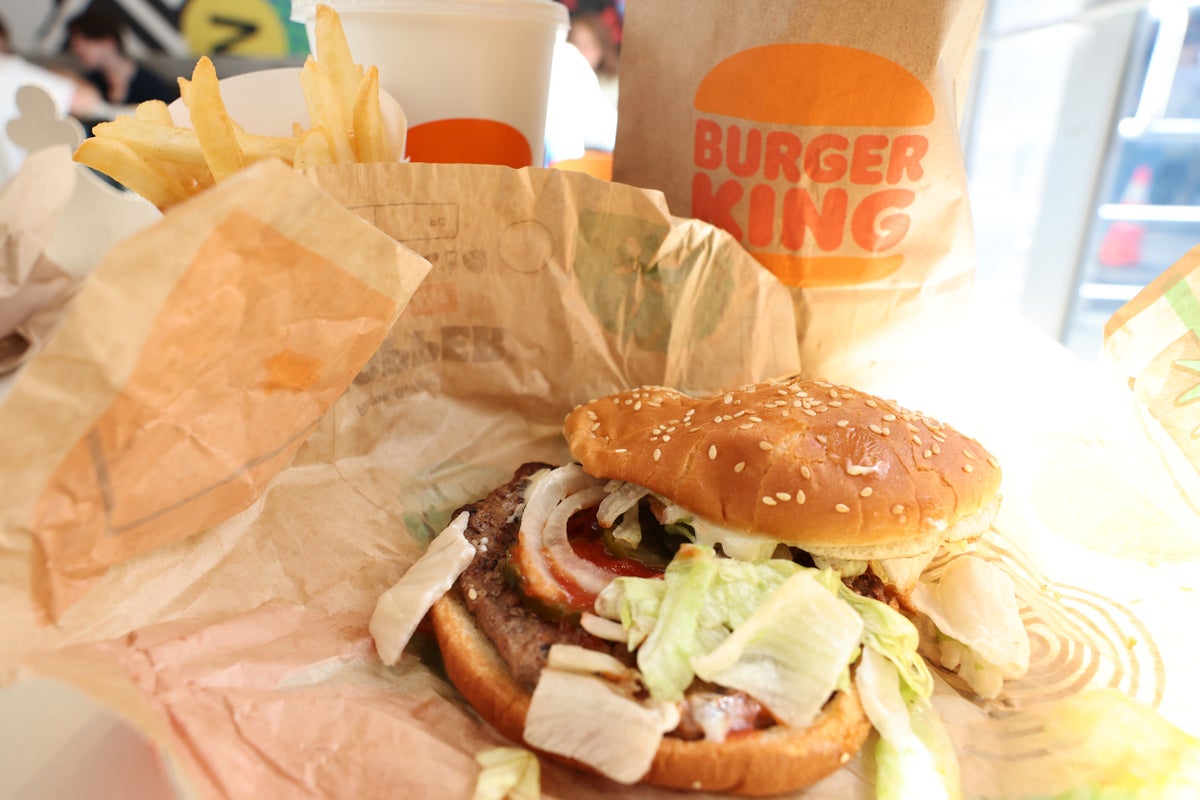
The Cold Fry at 9:15 PM
Picture Marcus sitting in his car under the yellow buzz of a fast-food parking lot light.
He had one job on his way home from a twelve-hour shift: get the order right. His daughter wanted a double cheeseburger with no pickles, extra ketchup. He ordered it, paid for it, and drove away. Three miles down the road, he checked the bag.
Drowning in pickles. Zero ketchup.
It sounds trivial. It is just meat and bread. But to Marcus, after twelve hours on his feet, it felt like a tiny, quiet betrayal. Fast food built its entire existence on a singular proposition: speed and predictability. When that fails, the disappointment isn't really about the food. It is about feeling unseen by a system that takes your money and hands you back apathy.
For decades, the standard response to this minor tragedy was silence. You either ate the cold, wrong burger or you drove all the way back to argue with a teenager making minimum wage over a three-dollar discrepancy. Most people just ate the pickles and held a grudge.
Then came the shift.
The Cost of the Wrong Order
Fast-food chains lose millions every year not to direct competition, but to subtle consumer drift. You get a bad order, you don't complain; you just don't go back for six months.
When Burger King launched its global campaign centered around the concept of "Have It Your Way," it was a promise born in 1974. It was designed to counter the rigid, assembly-line standardization of its main rival. But a tagline is just ink on a paper liner until a customer holds a cold burger.
Enter the Whopper Guarantee.
The mechanism was deceptively simple on paper. If a customer received an order that was incorrect, cold, or simply failed to live up to expectation, the brand promised a seamless replacement. No interrogation. No requirement to produce a crumpled receipt from three days ago. Just a direct fix.
On the surface, this looks like a basic customer service initiative. In reality, it was a massive operational gamble.
Consider what happens when a major enterprise hands total benefit of the doubt to the consumer:
- Shrinkage Risk: The immediate corporate fear is always fraud. People will exploit the system for free food.
- Speed Metrics: Fast-food drive-thrus are judged by seconds. Stopping to remake a burger destroys throughput.
- Line Equity: Remaking food for an upset customer delays the person behind them, creating a cascade of frustration.
Yet, the decision was made to lean into the vulnerability. Why? Because the lifetime value of a loyal customer wildly outweighs the cost of a misplaced slice of cheese.
Human Error in an Automated System
To understand why a guarantee matters, you have to look at the kitchen line.
It is a chaotic orchestra of timers, sizzles, and headsets barking orders. A modern fast-food kitchen processes hundreds of customized variations an hour. Extra onions. No mustard. Sub bacon. Wheat bun. Heavy lettuce.
Human brains are optimized for pattern recognition, not endless variability under extreme speed constraints. Errors are mathematically inevitable.
Order Received -> Customized Modifiers -> High-Speed Assembly -> Packaging -> Hand-off
                                 |
                          (Failure Point)
When a breakdown occurs at the assembly phase, the traditional corporate instinct was defensive. Prove you bought it. Prove we broke it. Show us the evidence.
The strategy behind a hard-line guarantee flips the burden of proof. It accepts that the system will break, and it absorbs the cost of that failure up front. It turns an operational weakness into a brand anchor.
The Psychological Shift of Taking the Loss
There is an old concept in service recovery known as the Service Recovery Paradox. A customer who experiences a service failure, but has it resolved swiftly and generously, often becomes more loyal than a customer who never experienced an error at all.
Why?
Because perfection is expected, but empathy is surprising.
When Marcus takes that wrong burger back to the counter, he is braced for conflict. He expects friction. When the response is an immediate, smiling replacement—along with a fresh batch of fries for the inconvenience—the emotional baseline changes. The anger vanishes. Relief takes its place.
Burger King’s initiative wasn't just about replacing beef patties; it was about buying psychological safety for the customer. It removed the risk of ordering.
If you know you can't lose, you buy more freely. You try the new menu item. You drive through when you're in a rush, confident that even if the system stumbles, you won't pay the price.
The Unspoken Mandate for Modern Brands
We live in an era where trust in corporate promises is exceptionally low. Consumers are weary of fine print, hidden fees, and automated phone trees designed to wear down their resolve.
When a brand stands up and offers a simple, unconditional guarantee, it cuts through the noise like a thunderclap.
It signals total confidence in the product. It tells the consumer: We know we aren't perfect, but we are accountable.
That distinction is everything. Perfection is an illusion. Accountability is a choice.
Marcus got his double cheeseburger. It was hot, it had extra ketchup, and there wasn't a pickle in sight. He ate it in his car, turned the key in the ignition, and drove home in the quiet comfort of a promise kept.