The click of a kettle is a small sound. It is the white noise of a British morning, a mundane ritual that signals the start of a day. But for millions of people across the United Kingdom, that click has started to sound like a countdown. It is the sound of a meter ticking upward, a silent thief in the pantry, a reminder that the warmth of a home is no longer a given. It is a luxury dictated by men in high-backed chairs thousands of miles away.
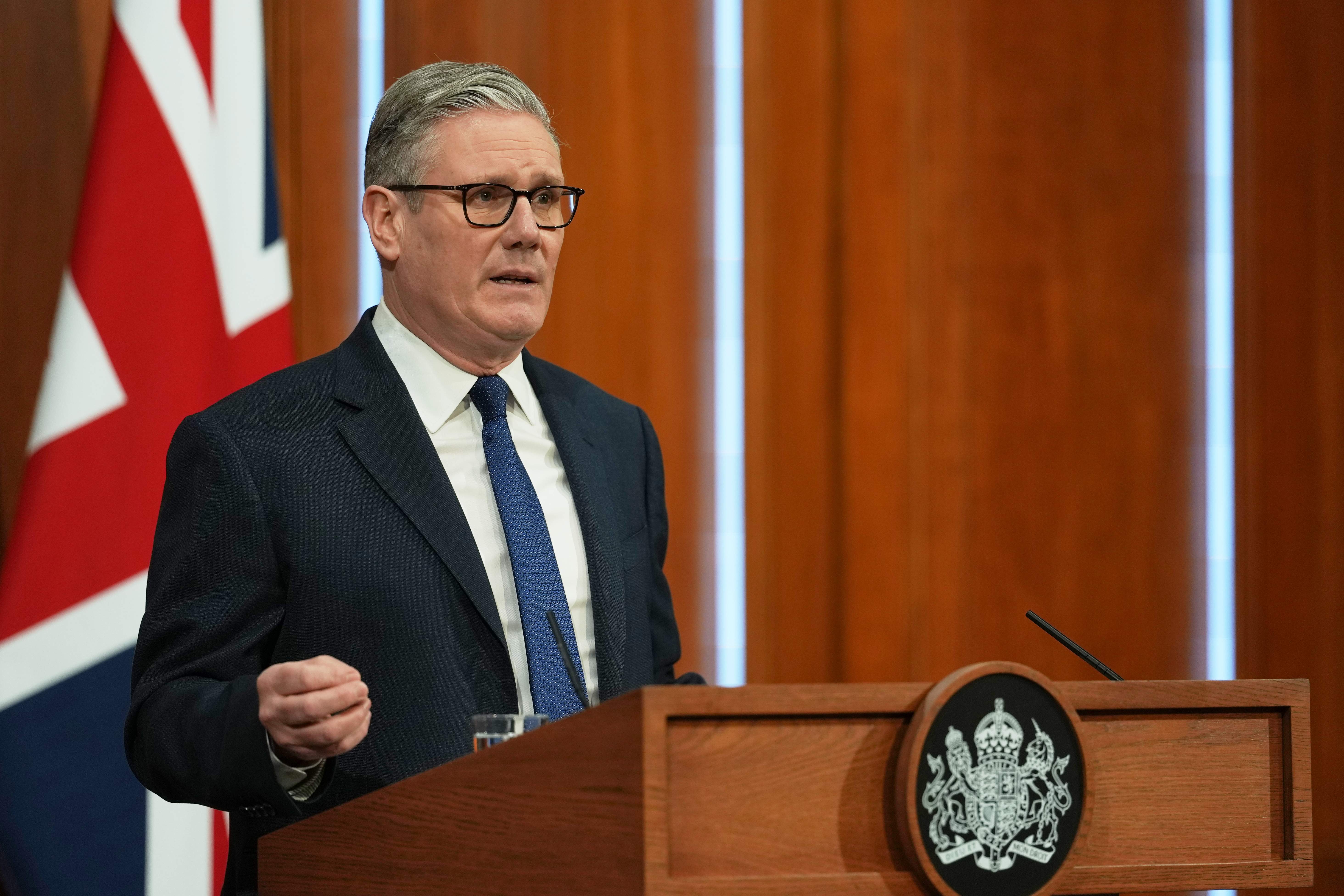
Keir Starmer isn’t just looking at spreadsheets or polling data when he speaks about being "fed up." He is looking at the reality of a country where the thermostat has become a source of genuine anxiety. The geopolitical chess match between Moscow and Washington isn't just a headline in the Financial Times. It is a physical weight. It is the reason a pensioner in Leeds wears three sweaters indoors and why a young family in Birmingham stares at their banking app with a sense of impending dread.
The math is brutal. The logic is colder than a Siberian winter. When Vladimir Putin weaponizes gas supplies or when the specter of a trade war looms over the Atlantic, the ripples don't stop at the border. They crash into the British kitchen.
The Invisible Pipeline of Power
To understand why the Prime Minister is losing his patience, we have to look past the podium. Imagine a woman named Sarah. She isn't a political strategist. She’s a nurse. Every morning, she balances her budget with the precision of a surgeon. A two-pence rise in the price of a kilowatt-hour might seem negligible to a billionaire, but to Sarah, it is the difference between a hot meal and a cold sandwich.
When Russia constricted the flow of natural gas into Europe, it wasn't just a tactical maneuver against Ukraine. It was a direct assault on Sarah’s savings. Energy markets are a global nervous system; when one part is pinched, the whole body screams. The U.K. found itself vulnerable, trapped between a reliance on international gas prices and a domestic infrastructure that wasn't ready for the shock.
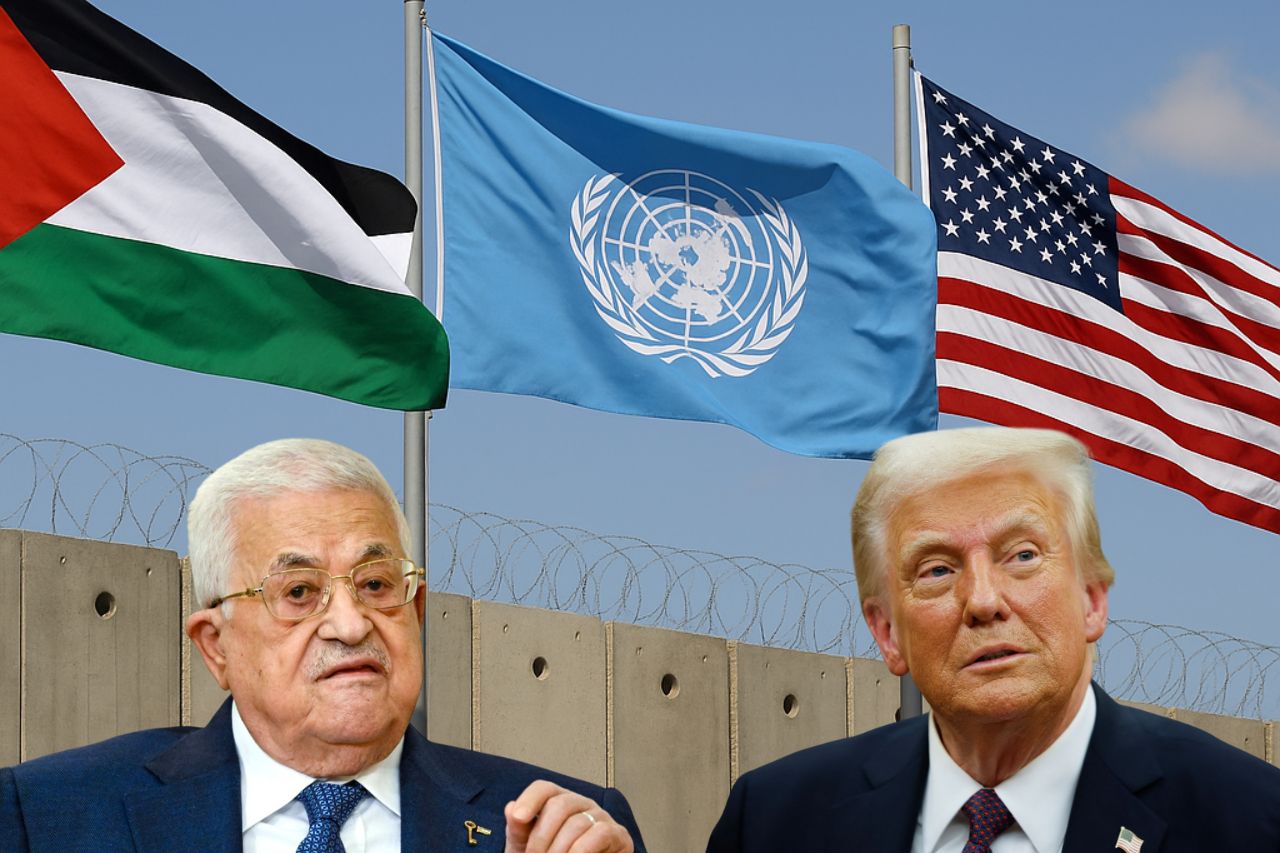
The frustration radiating from Downing Street stems from this lack of control. Starmer inherited a house with broken windows and a storm blowing in. He is watching as the actions of authoritarian leaders and the protectionist rhetoric of a returning Donald Trump threaten to squeeze the British public even tighter.
Consider the implications of a renewed "America First" energy policy. If the United States pivots toward aggressive tariffs or disrupts the global flow of liquefied natural gas (LNG), the UK doesn't just lose a partner; it loses its buffer. We are a nation on the edge of a continent, catching the cold that everyone else is sneezing out.
The Cost of the Distraction
We often talk about energy prices in terms of "inflationary pressure" or "fiscal drag." These are sterile words. They hide the truth. The real cost is the mental bandwidth of a population that can no longer plan for the future because they are too busy surviving the present.
Starmer’s "fed up" stance is an attempt to break this cycle of reactive politics. For years, the approach was to wait and see—to hope that the markets would stabilize or that the geopolitical tensions would simply evaporate. But hope is not a policy. It certainly isn't a way to heat a home.
The move toward "Great British Energy" and a frantic push for renewables isn't just a green crusade. It is a bid for sovereignty. It is an admission that as long as our light switches are connected to the whims of a dictator in the Kremlin or a volatile administration in D.C., we are not truly a free people. We are tenants in our own country, paying rent to landlords who don't care if we freeze.
The shift is hard. It is expensive. It requires a level of national grit that we haven't seen in decades. But the alternative is to remain a spectator in our own lives. The Prime Minister’s rhetoric suggests he realizes that the "quiet life" is gone. The era of cheap, easy energy—subsidized by the stability of a world that no longer exists—has been buried under the rubble of international conflict.
The Trump Factor and the Atlantic Rift
While Putin represents a clear and present threat through the physical restriction of supply, the looming shadow of Donald Trump represents a different kind of instability. It is the instability of the unpredictable.
If the U.S. retreats into isolationism or engages in a trade war with China that upends global supply chains, the cost of everything goes up. Solar panels, wind turbine components, the very minerals needed for a green transition—all of it becomes a pawn in a game of high-stakes leverage. For a U.K. government trying to build its way out of an energy crisis, this is a nightmare scenario.
Starmer finds himself in a position where he must play the diplomat while preparing for a fight. He has to court investment while acknowledging that the old rules of the game are being shredded. He is essentially trying to build a fortress while the ground is still shaking.
It is a lonely place to be. You can hear it in the tone of his recent addresses—a mix of weariness and a sudden, sharp resolve. He knows that the British public's patience is not infinite. They have been told to wait for better times through a pandemic, a cost-of-living crisis, and a succession of leadership changes. Now, they are being told that their energy bills are high because of men they didn't vote for and can't influence.
The Human Geometry of the Grid
Think about the grid not as a series of wires and pylons, but as a web of human connections. When the price of energy spikes, the bakery on the corner closes an hour early. The local library, a sanctuary for the lonely, has to cut its heating hours. The school has to choose between new books and keeping the classrooms at a legal temperature.
These are the "invisible stakes" Starmer is referring to. It is the slow erosion of the social fabric. It is the way a community begins to shrink when it can no longer afford to keep the lights on.
The transition to a self-sufficient energy model is often framed as a technical challenge—how many gigawatts can we produce? How many batteries do we need? But the real challenge is psychological. Can we convince a weary nation that the pain of the transition is better than the vulnerability of the status quo?
The Prime Minister is betting that the answer is yes. He is betting that the British people are as "fed up" as he is. He is gambling on the idea that we would rather pay for our own future than continue to pay for someone else’s war.
The Silence of the Radiator
There is a specific kind of silence that happens when a radiator cools down in the middle of a November evening. It is a heavy silence. It prompts a person to look at the window, checking for drafts, wondering if the insulation they were promised will actually hold the heat in.
This is the reality of the UK’s energy landscape. We are living in the gap between what was and what must be. We are haunted by the ghosts of cheap North Sea oil and the false security of a globalized market that we thought would always be rational.
Starmer’s anger isn't just a political pose. It is a reflection of a fundamental truth: a country that cannot power itself is a country that cannot protect itself. Every time a bill arrives in a mailbox, it is a reminder of a failure of foresight. It is a reminder that for too long, we allowed our basic needs to be outsourced to the highest, and often most dangerous, bidder.
The path forward isn't paved with easy promises. It involves massive investment in offshore wind, a resurgence of nuclear power, and a grueling overhaul of how we heat our homes. It involves telling people that things will be difficult before they get better. It is a hard sell in an era of instant gratification.
But the alternative is to keep looking at the kitchen wall, watching the shadow of a cold kettle, and waiting for a man in a palace or a tower half a world away to decide if we deserve to be warm.
The Prime Minister has stopped waiting. The question is whether the rest of the world will let us catch up, or if the friction of global power will continue to spark fires that we are forced to pay to put out.
We are no longer just debating policy. We are fighting for the right to turn on the lights without asking for permission.
The wind off the North Sea is biting, and the clouds over the Atlantic are darkening. In the houses across Britain, people are reaching for their thermostats, pausing for a second, and then pulling their sweaters a little tighter. They are waiting for a change that feels like it’s forever over the horizon. They are tired of the excuses, and they are tired of the bills. They are simply, profoundly, fed up.
The radiator stays cold, and the meter keeps running.