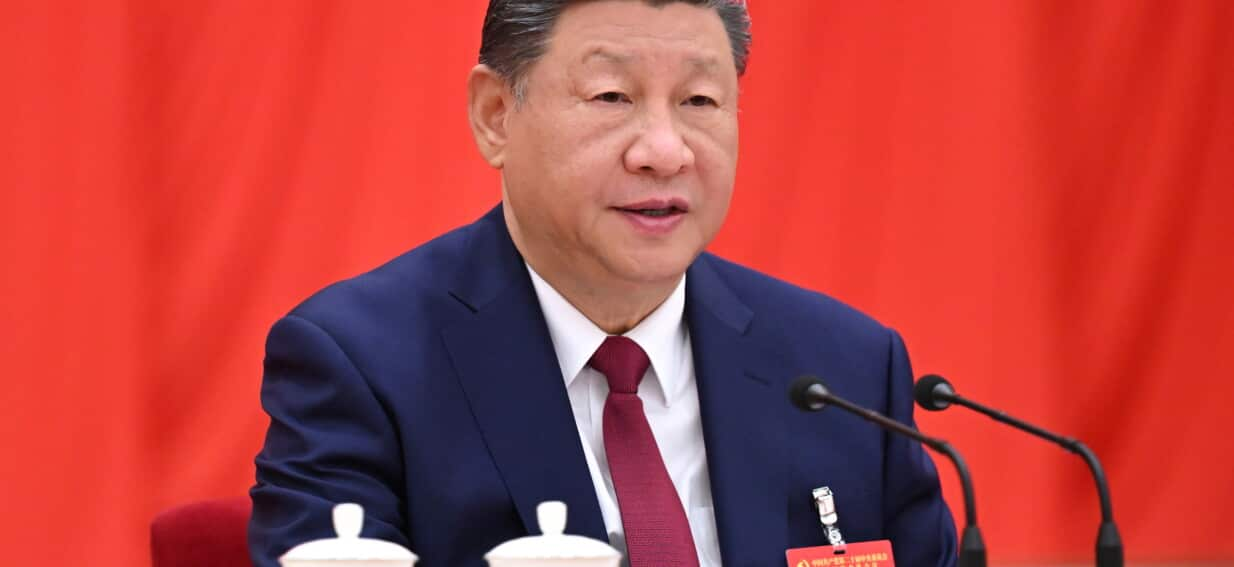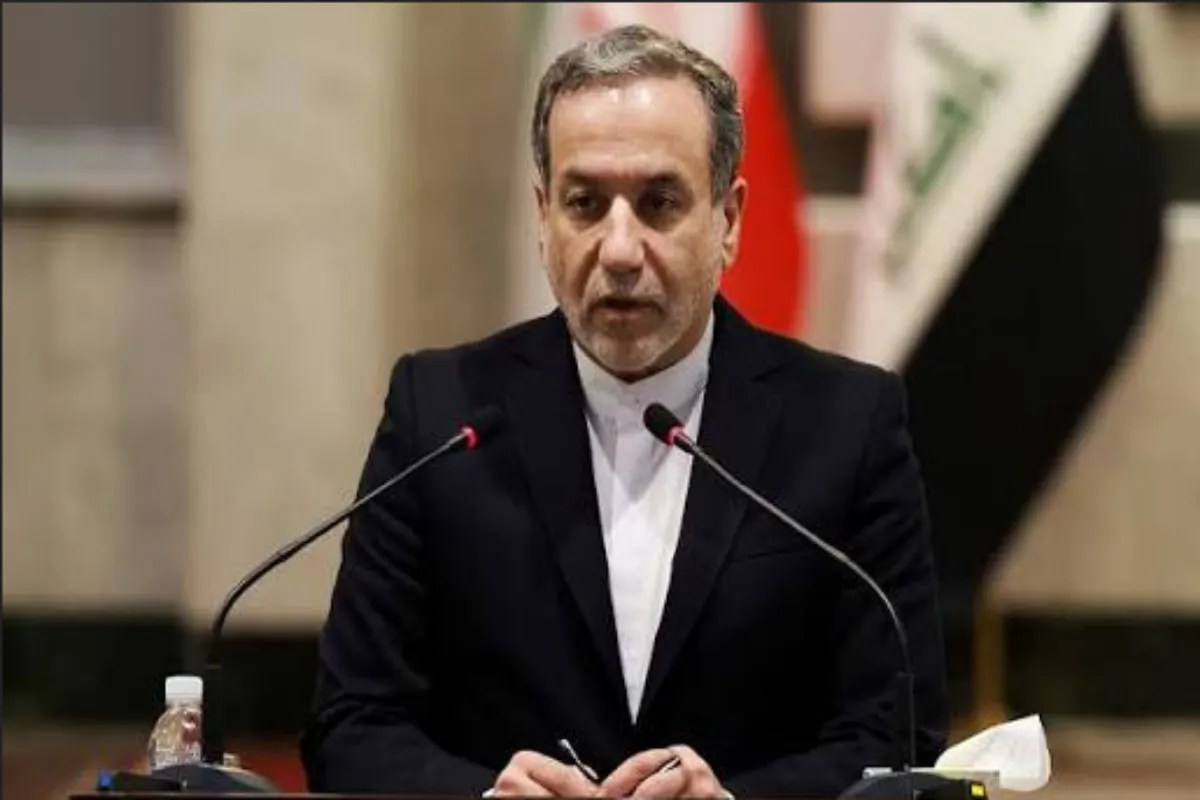
Diplomatic friction over whether an Israeli envoy or foreign partner exercises outsized influence on United States military decision-making exposes a fundamental tension in alliance politics: formal chain-of-command authority is fixed in Washington, yet operational agendas are shaped by bargaining, intelligence sharing, and crisis signaling. When an Iranian diplomat—such as Foreign Minister Abbas Araghchi—questions how an Israeli ambassador could act as a de facto commander-in-chief of US forces, the remark functions as strategic messaging rather than a literal claim about US constitutional law. Analyzing this dynamic requires separating formal command structures from informal diplomatic leverage, mapping the incentives of each actor, and identifying where public rhetoric diverges from operational reality.
The Structural Divide Between Command and Influence
Formal military authority in the United States follows a rigid legal hierarchy. Under the US Constitution and federal statute, the president serves as commander-in-chief, with orders flowing through the Secretary of Defense and the Joint Chiefs of Staff to combatant commanders. Foreign ambassadors—whether from Israel, Iran, or any other state—hold zero command authority over American troops, ships, or aircraft.
Informal influence operates on a different axis. Ambassadors and allied officials shape policy choices by framing threats, proposing contingency options, coordinating intelligence assessments, and lobbying executive branch officials and lawmakers. A foreign envoy cannot issue a deployment order, yet persistent alignment on threat perception can raise the perceived cost of inaction or restraint in Washington.
Critics and adversaries frequently conflate high-level diplomatic access or policy alignment with command control. In public diplomacy, casting a partner as the "true" decision-maker serves a clear rhetorical purpose: it portrays the superpower's actions as externally driven rather than autonomous, aiming to erode the superpower's regional credibility and rally domestic or partner audiences.
Why Diplomatic Sarcasm Emerges During High-Stakes Standoffs
Sharp rhetorical jabs from senior officials rarely occur in a vacuum. When tensions rise between Iran, Israel, and the United States—whether over regional proxies, maritime security, nuclear posture, or retaliatory strikes—messaging becomes an instrument of deterrence and narrative control.
Publicly questioning who directs US military posture targets three audiences simultaneously:
- Domestic constituencies: It projects resolve and frames external pressure as a test of national sovereignty.
- Regional partners and aligned groups: It signals solidarity and warns against assuming Washington acts solely as a neutral arbiter.
- External adversaries and third parties: It tests whether sharp rhetoric draws a defensive clarification or shifts diplomatic bargaining positions.
Because the source text is a headline without an accompanying full text in this context, specific quotes, exact dates, and event details beyond the headline premise cannot be verified here. Treating the headline as an example of rhetorical framing—rather than assuming unverified claims—keeps the analysis grounded in observable mechanics of alliance politics and crisis signaling.
Four Mechanics That Shape Perceived Alliance Leverage
When observers debate whether a regional ally steers superpower military action, four structural mechanisms usually drive that perception:
- Threat Framing and Intelligence Convergence: Shared assessments of adversary capabilities and intentions can align operational priorities. When two governments view the same threat as urgent, policy recommendations from one capital often reinforce existing bureaucratic momentum in the other.
- Escalation Chains and Retaliatory Cycles: In volatile environments, actions by one regional actor can trigger responses that draw in larger powers to protect personnel, shipping lanes, or deterrence credibility. Observers may interpret reactive US force posture as externally initiated even when driven by US force-protection doctrines.
- Domestic Political Coalitions: Foreign policy debates in Washington involve executive agencies, congressional committees, diaspora groups, and think tanks. Visible advocacy by allied diplomats interacts with existing domestic factions, amplifying the impression of outsized sway.
- Information Asymmetry in Public Debate: Much of statecraft—backchannel talks, intelligence caveats, and internal disagreements—remains non-public. In the absence of full visibility, commentators often infer causation from visible public statements and military movements.
Separating Known Mechanics from Educated Hypotheses
Rigorous geopolitical analysis requires marking where verifiable institutional rules end and interpretation begins.
Established structural facts:
- Executive command over US armed forces rests with the US president and defense chain of command, not foreign diplomats.
- Allied states routinely use embassies, lobby networks, and direct leadership contact to advance security preferences in Washington.
- Adversarial officials routinely use rhetorical framing to contest the autonomy and legitimacy of rival powers' regional actions.
Educated hypotheses requiring case-specific evidence:
- A sharp comment from a senior diplomat about a foreign ambassador's role is likely intended to delegitimize rival policy coordination and shift diplomatic pressure.
- Perceptions that an ally "controls" superpower military moves can distort risk assessments if decision-makers mistake rhetorical narratives for actual operational constraints.
One limitation of relying on headlines or single-statement commentary is selection bias. Snappy phrasing travels faster than nuanced legal or operational explanations, which can flatten complex security calculations into a caricature of puppetry or total alignment.
A Practical Framework for Evaluating Escalation Claims
Analysts, journalists, and decision-makers assessing similar diplomatic clashes can apply a four-step verification routine before drawing conclusions:
- Isolate the literal claim from the rhetorical objective: Ask what political effect the speaker wants—reassurance, deterrence, domestic mobilization, or narrative disruption—rather than reading sarcasm as an institutional description.
- Check independent US decision drivers: Examine stated US force-protection rationales, congressional authorizations, regional basing posture, and broader strategic priorities alongside allied commentary.
- Track observable actions rather than rhetoric alone: Compare public statements against diplomatic channels, force deployments, sanctions enforcement, and de-escalation signals over time.
- Account for missing context: Flag claims derived solely from headlines or unverified summaries so analytical conclusions do not rest on incomplete information.
Treat sharp diplomatic rhetoric as a diagnostic signal of bargaining tension—not proof of hidden command authority—and anchor every assessment in verifiable institutional roles and observable state behavior.