Walk down Huaihai Road in the biting chill of a late Shanghai autumn, and you can smell the damp bricks of history mixing with the roasting chestnuts of the modern bazaar. It is a sensory collision. Neon bleeds through the mist, casting jagged ribbons of crimson and emerald across the tailored coats of corporate executives and college students alike.
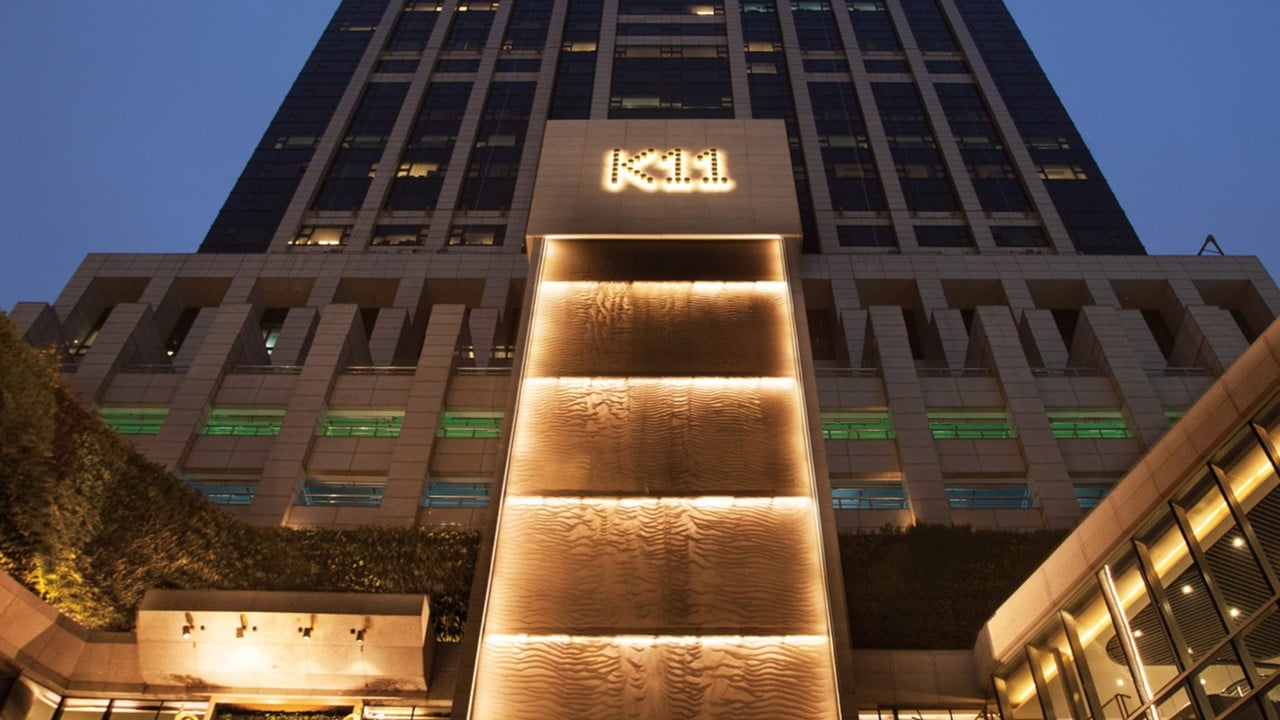
Look up. Above the press of bodies, the towering glass monoliths of K11 loom like monuments to an ambition that never sleeps.
For years, these spaces have been more than mere retail corridors. They have been cultural laboratories, places where art installations rub shoulders with luxury handbags, inviting the public to wander through a curated dreamscape of commerce. But dreams, however gilded, require oxygen. And lately, the lungs of that empire have been gasping.
Enter the boardroom maneuver of the season. New World Development, a titan that has shaped skylines and weathered decades of economic vertigo, has just secured a crucial green light from regulators to spin off its prized K11 commercial assets in Shanghai.
On paper, it looks like a clean corporate rearrangement. Regulatory nods. Asset restructuring. Portfolio optimization. The dry vocabulary of financial analysts who look at cities as spreadsheets rather than living, breathing organisms.
To understand why this matters, you have to look past the bureaucratic prose. You have to look at the human cost of liquidity.
Consider a hypothetical merchant, let's call him Mr. Chen, whose boutique sits on one of those coveted lower levels inside the Shanghai complex. Chen doesn't care about regulatory approvals or corporate spin-offs until he realizes what they mean for his foot traffic, his lease negotiations, and the collective heartbeat of the district. When a parent company reorganizes to streamline debts and inject fresh capital, it sends a ripple down to the floorboards. It changes whether the lights stay bright at nine o'clock on a Tuesday. It dictates whether the security guards smile or scowl at the door.
Real estate in China has never been just about concrete and steel. It is a barometer of national psychology.
For decades, the trajectory was an arrow shot straight into the stratosphere. Build it, and the multitudes will come with open wallets and boundless optimism. But the gravity of recent economic shifts has been relentless. Property developers across the board have found themselves tangled in a web of tightening credit, shifting consumer habits, and a post-pandemic retail landscape that refuses to behave according to old rules.
New World’s decision to untangle its Shanghai crown jewels is an admission of a stark reality: survival requires agility, and agility requires shedding dead weight or unlocking trapped value. By spinning off these assets into a separate entity, the developers are essentially building a lifeboat. They are creating a structure where the commercial properties can breathe, raise funds independently, and face the volatile market currents without dragging down the entire mothership.
It is a high-stakes gamble played in boardrooms thousands of miles away from the cobblestone alleys of the French Concession, yet its echoes are felt directly on the pavement.
To grasp the mechanics of this move without drowning in jargon, think of a massive ocean liner taking on water in one compartment. The crew does not abandon ship; instead, they seal the bulkhead. They isolate the crisis to preserve the vessel's buoyancy.
That is what a spin-off is in the theater of corporate finance. It builds a firewall between healthy, revenue-generating operations and the heavy debt burdens accumulated during the frantic expansion years. K11 Shanghai—with its bleeding-edge blend of retail and high art—is a prime cut of meat. Standing on its own feet, untethered from the broader developer's wider liabilities, it can command the attention of institutional investors who might otherwise shy away from the risk profile of traditional property conglomerates.
Yet, numbers rarely capture the anxiety of the transition.
When a corporate giant restructures, the people on the ground hold their breath. Middle managers wonder about organizational charts. Tenants wonder about rental spikes or sudden policy shifts. Shoppers simply notice when a favorite espresso bar closes its shutters to make way for a repositioned brand.
There is an eerie quiet that precedes these major shifts. You can hear it in the murmurs of brokers sharing quiet cigarettes outside the office towers, parsing the phrasing of regulatory filings like ancient monks reading chicken bones for portents of the future.
The approval from the regulators is merely the starting gun, not the finish line.
Now comes the hard part: execution. Spinning off assets sounds elegant in an executive summary, but the reality involves untangling legal deeds, transferring management teams, reassuring nervous creditors, and convincing a fickle public that the soul of the brand remains intact even as the ownership badge changes.
If New World plays its cards right, this maneuver could serve as a masterclass in modern corporate surgery. It could provide the exact transfusion of liquidity needed to stabilize the balance sheet while keeping the iconic Shanghai properties humming with life. It proves that adaptability is the ultimate currency in a market where yesterday's certainty is today's antique.
If it stumbles, however, it risks fracturing the very brand equity that took decades to build. Confidence is a fragile plant; once the leaves droop, it takes a miracle to restore the green.
The sun dips lower behind the Shanghai skyline, casting long, dark shadows across the plaza outside the K11 entrance. A saxophone player begins a mournful, jazzy tune near the subway exit, his notes competing with the hum of idling electric sedans.
Inside the atrium, shoppers drift past illuminated displays, oblivious to the high-stakes financial chess game that just cleared its latest hurdle. To them, it is just another evening in the city that never stops reinventing itself.
And that is the quiet irony of it all. While executives in distant towers draft the blueprints of corporate survival, life on the pavement rolls on—unfazed, resilient, and relentlessly moving forward into whatever concrete tomorrow comes next.