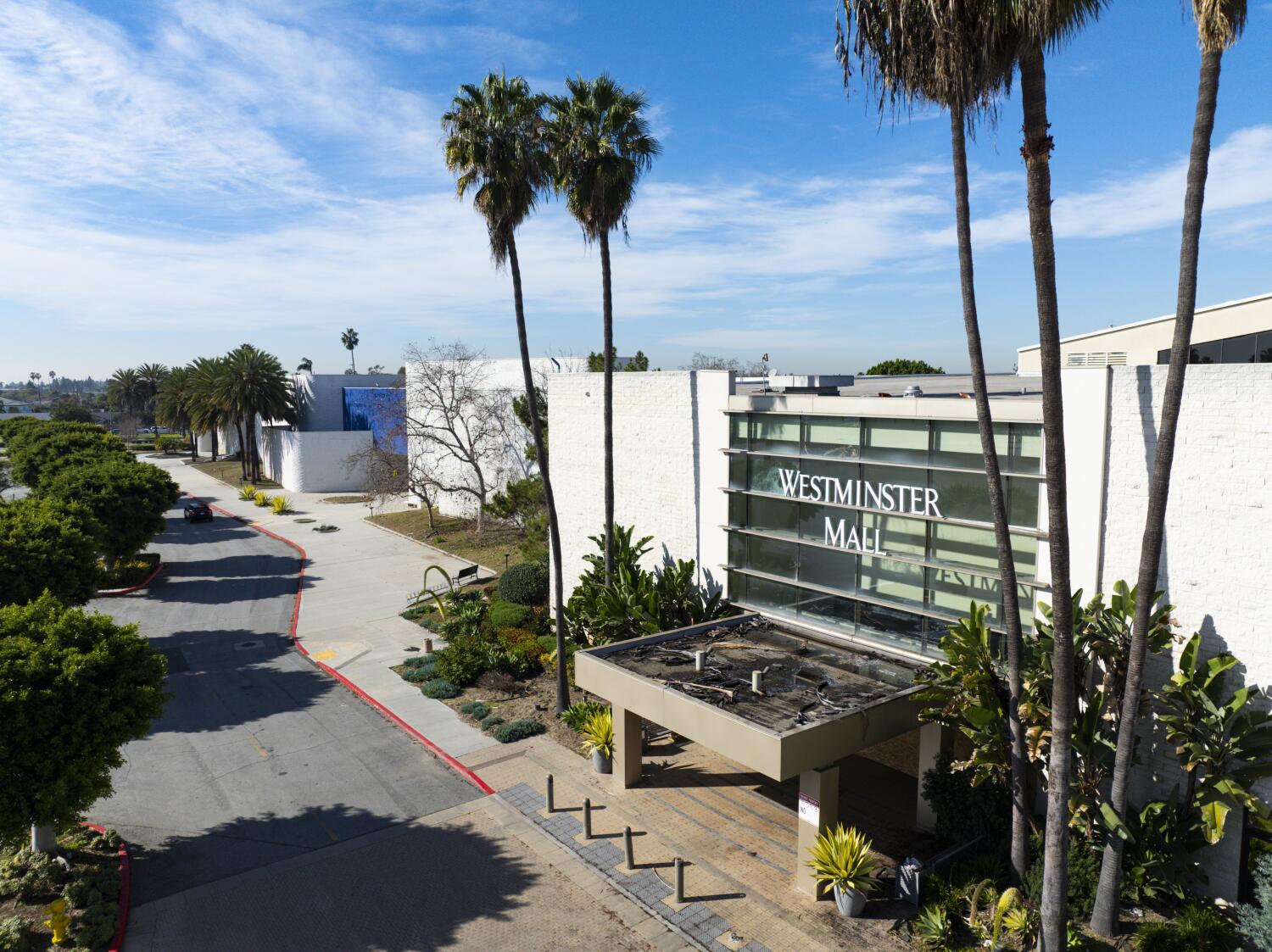
The silence inside a dying mall has a specific, heavy frequency. It isn’t the peaceful quiet of a forest or the respectful hush of a library. It is the sound of an exhale that never found its next breath. In the heart of Westminster, Colorado, the skeletal remains of what was once a 1.2-million-square-foot titan have sat in this state of suspended animation for over a decade.
We used to call these places "town squares." We were wrong. They were cathedrals of consumption, built on the premise that as long as the neon stayed lit, the community would stay whole. When the lights flickered at the Westminster Mall, we didn't just lose a place to buy jeans. We lost the common ground where a retiree could walk two miles in the climate-controlled safety of 7:00 AM and where a teenager could experience their first awkward, fumbled attempt at independence.
The demolition crews eventually came for the department stores. They tore down the Foley’s and the Mervyn’s, leaving a gaping, 100-acre hole in the city’s geography. For years, that hole was a wound. Now, it is becoming a blueprint.
The Anatomy of a Dead Mall
To understand why this specific patch of dirt at 88th Avenue and Sheridan Boulevard matters, you have to look at the math of human connection. The old model was a fortress. It was a windowless box designed to keep you inside, moving in circles, separated from the actual world by layers of drywall and Muzak.
The city of Westminster decided to do something terrifyingly ambitious: they decided to be the developer themselves. They didn't want another "lifestyle center" with the same three national steakhouse chains and a sea of asphalt. They wanted a downtown.
Consider a hypothetical resident named Elena. In the 1990s, Elena went to the mall to get away from the world. Today, Elena represents the shift in our collective soul. She wants to walk out of her apartment, grab a coffee from a person who knows her name, and sit on a bench that isn't owned by a corporate conglomerate. She wants a "third place" that feels like it belongs to the public.
The redevelopment of the Westminster Mall isn't just about real estate. It's about a civic correction.
Building a City From Scratch
The scale of the project is massive. We are talking about 300 residential units, 50,000 square feet of retail space, and a hotel, all woven into a grid of actual streets. Not parking lot lanes—streets. Streets with sidewalks, trees, and the potential for a parade.
The challenge of building a "new" downtown is that authenticity cannot be manufactured. You can’t just buy "charm" from a catalog. Developers often try to shortcut this by using reclaimed wood and Edison bulbs, but the public sees through the artifice. They know when they are being marketed to rather than being invited in.
The Westminster approach hinges on density. By stacking housing on top of retail, the city is betting that proximity will breed community. When you live above the grocery store, the grocery store becomes your pantry. The sidewalk becomes your hallway.
But this transition is painful. It’s expensive. It’s messy.
The Hidden Cost of the Urban Dream
There is a lingering doubt that haunts every urban renewal project: Who is this actually for?
As the cranes rise over Westminster, the shadow of gentrification grows longer. The city has made promises about affordable housing, aiming to ensure that the people who work in these new boutiques can actually afford to live near them. It’s a delicate balance. If you lean too hard into luxury, you create a sterile playground for the wealthy. If you don't build enough, the scarcity drives prices into the stratosphere.
There’s an emotional weight to this. For many long-time residents, the mall was a constant. Even when it was ugly, it was theirs. Seeing it replaced by sleek, modern glass can feel like a foreign occupation. It feels like the city is moving on without them.
The truth is that we cannot go back. The department store model is a relic of a middle class that no longer exists in the same way. The internet didn't just kill the mall; it killed the excuse to leave the house. Now, the only thing that can compete with the convenience of a smartphone is the visceral, messy reality of a human crowd.
The Risk of the Middle Ground
The project is currently moving through its next phases, with the City Council recently approving more height and more density. This is where the tension peaks. To some, a five-story building is a sign of progress. To others, it’s an eyesore that blocks the view of the Front Range.
The city is walking a tightrope between being a suburb and being a destination. If they play it too safe, they end up with a glorified strip mall. If they go too big, they lose the "Westminster-ness" that drew people there in the first place.
The stakes are invisible but absolute. If this project fails, it isn't just a loss of tax revenue. It is a signal to every other city in the country that the "dead mall" problem is unsolvable. It would mean that these 100-acre scars are destined to remain scars forever.
The First Step Toward Home
Walk the site today and you see the skeleton of a new world. The concrete is fresh. The pipes are being laid. There is a smell of dust and diesel that, for the first time in twenty years, feels like hope rather than decay.
We are watching a city try to find its heart. It’s a gamble on the idea that humans still want to be near each other, that we haven't entirely retreated into our screens and our fenced-in backyards.
The old mall was about what you could take home. The new downtown is about what you find when you stay.
In the end, the success of this project won't be measured by the occupancy rates of the luxury apartments or the sales tax from the new restaurants. It will be measured on a Tuesday afternoon, three years from now, when two strangers stop to talk on a street corner that used to be a Sears.
That small, quiet moment—the simple act of sharing space—is the only thing that can truly bring a ghost back to life.
Would you like me to look into the specific zoning changes or the affordable housing percentages currently planned for the Westminster redevelopment?