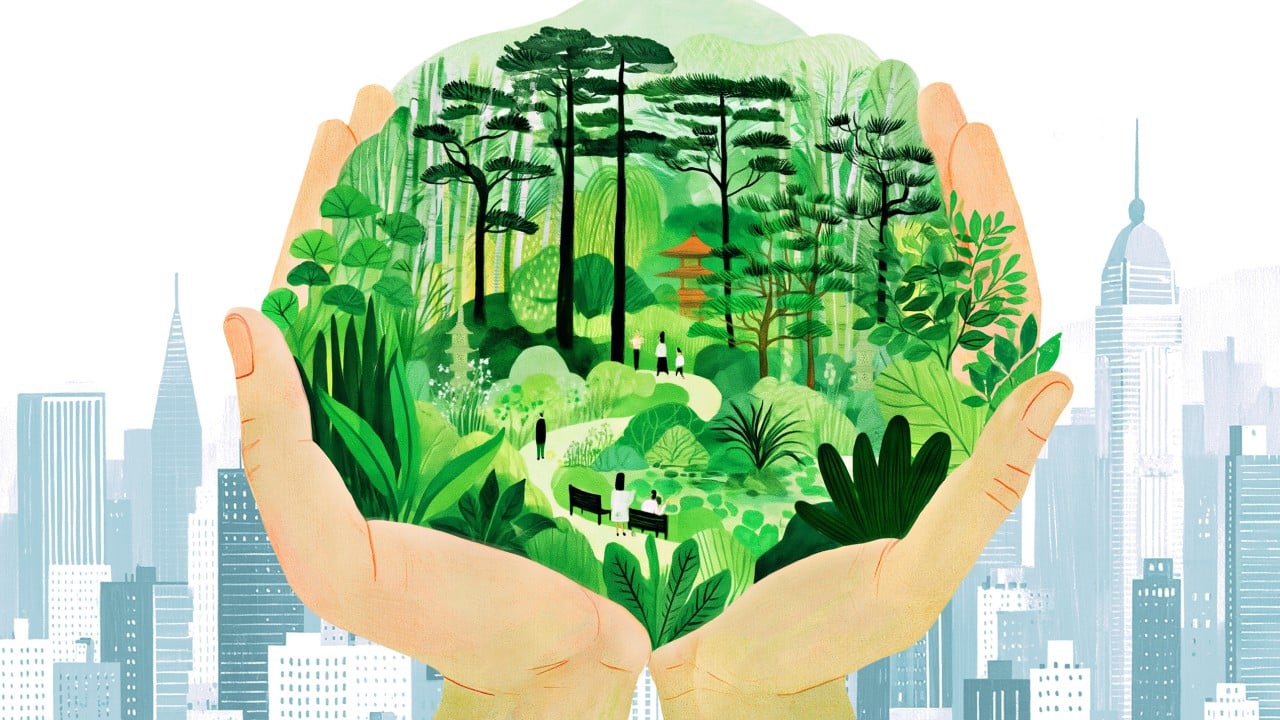
Summer temperatures in urban areas are hitting record highs, and municipal leaders are desperately looking for ways to cool down our streets. Yet, city planners keep making the same blunder. They view urban parks as empty land waiting to be developed, rather than as critical infrastructure. Concrete absorbs heat. Trees and open green spaces reflect it and cool the air through evapotranspiration. When you pave over a park to build another strip mall or high-rise apartment complex, you aren't just getting rid of a place to walk a dog. You are directly raising the local ambient temperature.
I have walked through concrete-heavy metropolitan areas on ninety-degree days and watched asphalt shimmer with heat waves, only to step into an established neighborhood park where the temperature dropped by five to ten degrees instantly. That isn't a minor difference. That gap can mean the difference between life and heat stroke for elderly residents without air conditioning.
The Urban Heat Island Effect Explained
Urban heat islands form because cities replace natural land cover with dense concentrations of pavement, buildings, and other surfaces that absorb and retain solar energy. Trees and grass break this cycle. They provide shade and cool the surrounding air.
When city councils treat parks as expendable real estate, they trigger a dangerous feedback loop. Higher temperatures lead to higher energy demands for air conditioning. That extra energy generation pumps more waste heat and carbon emissions into the atmosphere. The city gets hotter. People suffer. Power grids strain.
The economic argument usually used to justify selling off parkland falls apart under basic scrutiny. Sure, a new high-rise generates property tax revenue. But it also increases municipal cooling costs, damages public health, and strains stormwater management systems during heavy rainfall. Green spaces absorb stormwater runoff naturally. Concrete forces millions of gallons of water into sewer systems that overflow and flood streets.
What City Planners Keep Missing
Most urban planning meetings treat green space as a luxury add-on. Parks are the first things cut when a municipal budget gets tight or a developer waves a checkbook. This shortsightedness ignores how cities actually function.
You cannot engineer your way out of climate change with more air conditioning units and reflective white roofs alone. Those measures just vent hot indoor air outside, heating the immediate outdoor environment even more. Real climate resilience requires nature-based solutions.
Here are the practical realities municipalities must accept:
- Paving a park creates permanent microclimates that require massive energy consumption to cool.
- Fragmented green patches don't offer the same ecological benefits as large, connected park systems.
- Mature canopy trees cannot be easily replaced by planting saplings after a development project finishes. A ten-year-old tree provides cooling power that a newly planted stick in the ground simply cannot match for decades.
How to Protect Local Parks Before It Is Too Late
If you want to save your local green spaces, waiting until a bulldozer shows up is already too late. Decisions about land use happen months or years before permits are pulled.
Pay attention to municipal zoning board agendas. Local politicians often slip park rezonings into massive omnibus bills or vote on them during low-turnout meetings in the summer. Speak up at public hearings. Demand that your city council adopt strict no-net-loss policies for public parkland.
We need to start treating urban parks with the same seriousness we give to clean water and electrical grids. They are not optional leisure spots. They are survival gear for heating cities.