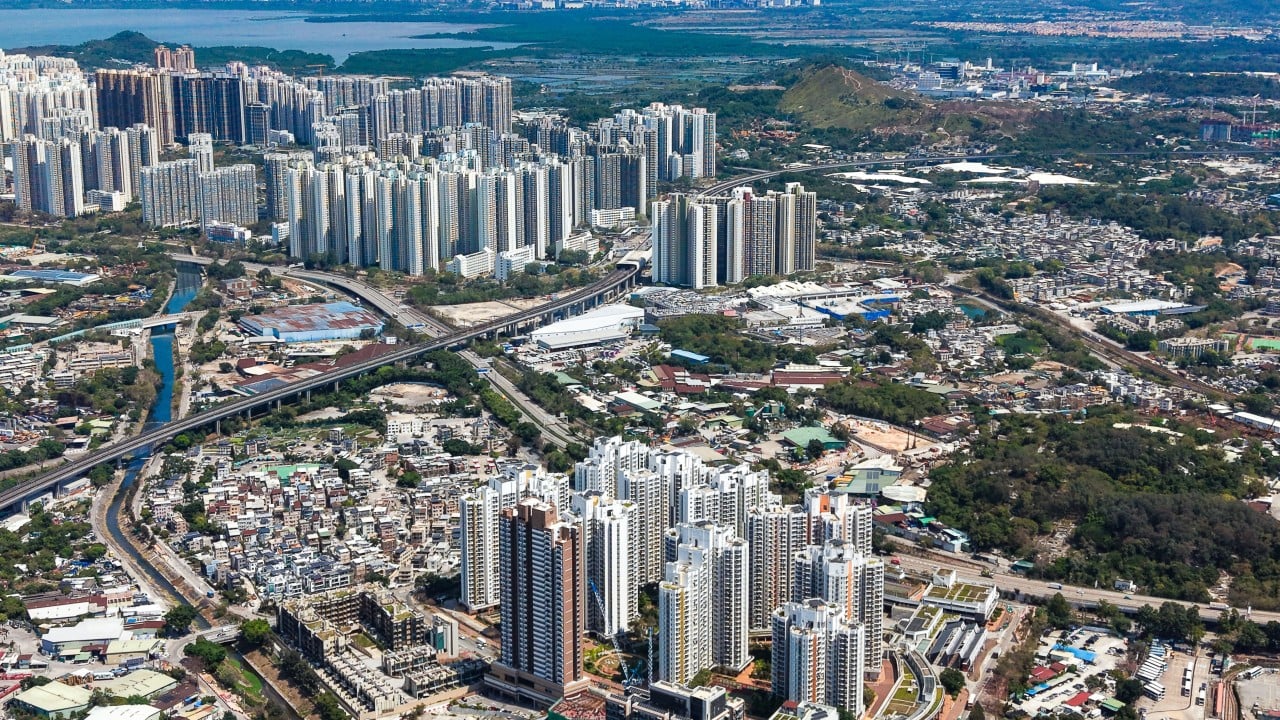
The map of Hong Kong is changing, not with a pen, but with the heavy, rhythmic thud of pile drivers. In the northern reaches of the city, where the hills once rolled quietly toward the Shenzhen border, a transformation is underway that carries a price tag so large it ceases to feel like money and begins to feel like a generational oath.
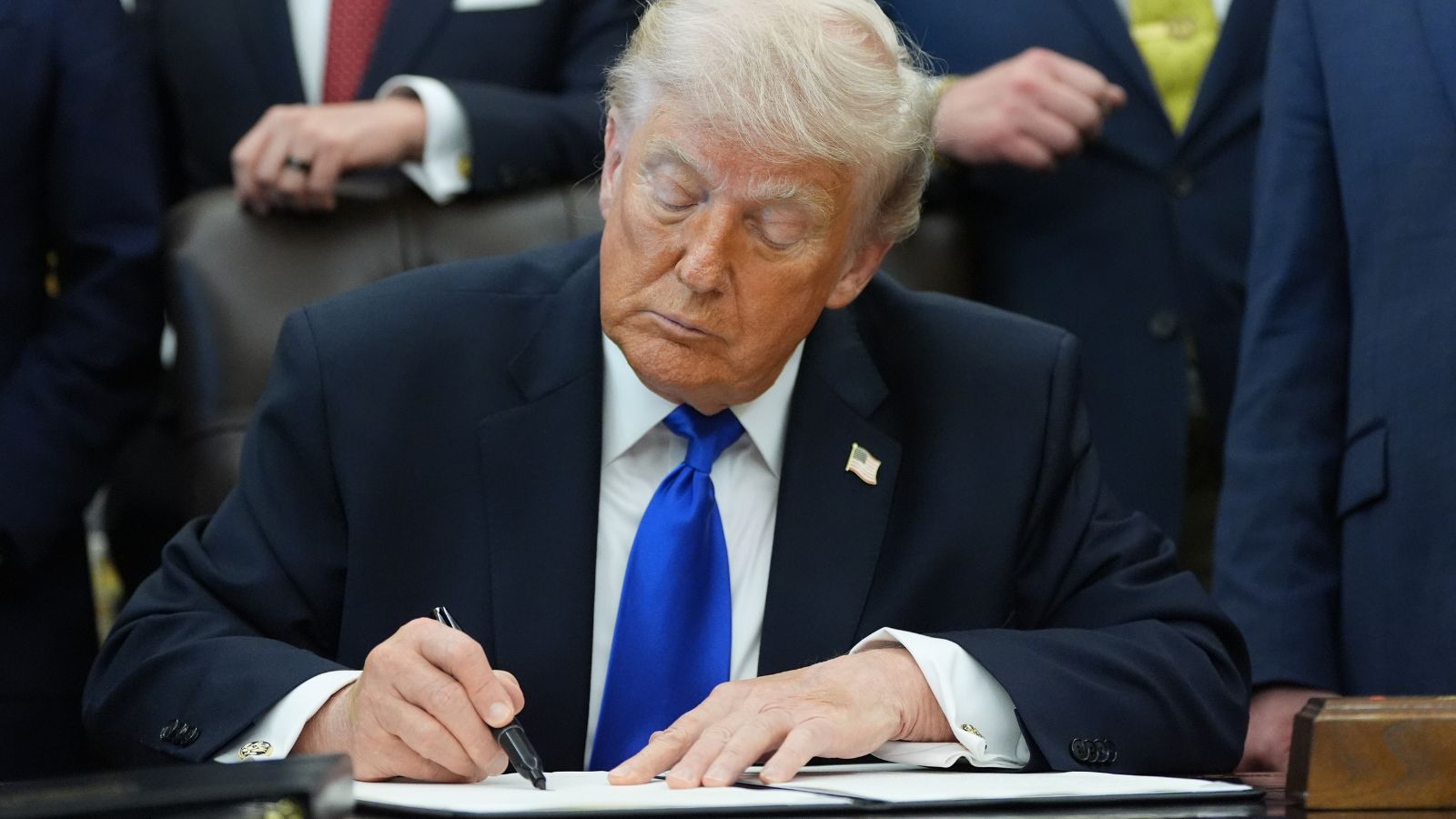
Paul Chan, the man holding the city’s purse strings, recently sat before a room of skeptics and believers alike to defend a vision. The Northern Metropolis is more than just a housing project or a high-tech hub. It is a HK$100 billion gamble on a future where Hong Kong is no longer just a financial gateway, but a living, breathing engine of innovation. But when you talk about billions, people stop listening to the dream and start looking at their own pockets.
Finance is often treated as a cold science of spreadsheets. It isn't. It is an emotional contract. To build a city for 2.5 million people, you have to convince the 7.5 million already living there that the sacrifice is worth the payoff.
The Flexible Blueprint
Consider a young engineer named Marcus. In this hypothetical scenario, Marcus represents the thousands of graduates currently squeezed into subdivided flats in Kowloon, wondering if their degrees in biotechnology will ever find a home within city limits. For Marcus, the Northern Metropolis isn't a policy paper. It is the possibility of a commute that ends at a laboratory rather than a crowded MTR station heading toward a bank office.
Paul Chan’s primary message during his recent pitch was one of tactical agility. He knows the world is volatile. He knows interest rates fluctuate and trade tensions simmer. Because of this, the government is moving away from the rigid, monolithic funding models of the past.
Instead of a single, massive debt issuance that could choke the city’s credit rating, the Financial Secretary is advocating for a mix of private-public partnerships, land exchanges, and specialized bonds. It is a "build-as-you-go" philosophy. This flexibility serves as a shock absorber. If the global economy catches a cold, the Northern Metropolis project doesn't have to face pneumonia. It can pivot. It can slow down or speed up based on the actual appetite of the market.
This isn't just clever accounting. It is an admission that the government cannot—and should not—shoulder the burden alone. By inviting the private sector to take a seat at the table early, the city shares the risk. More importantly, it shares the reward.
Beyond the Skyline
For decades, the narrative of Hong Kong was written in the vertical glass of Central. We were a city of traders. But trading is a derivative of someone else’s labor. To survive the next century, the city needs to make things again. Not cheap plastic toys or textiles, but intellectual property, life-saving medicines, and sustainable energy solutions.
The Northern Metropolis is designed to be the physical manifestation of this shift. It sits on 30,000 hectares. It aims to create 650,000 jobs. But those numbers are hollow without the "San Tin Technopole."
Think of the Technopole as the heartbeat of this entire operation. It is the bridge to Shenzhen, the silicon valley of the East. For too long, the border was a wall. Now, the government wants to turn it into a seam—a place where the two sides are stitched together to create a singular, massive economic zone.
But this brings up the question that keeps taxpayers awake at night: Can we afford it?
Hong Kong’s fiscal reserves are healthy, but they aren't infinite. Critics point to the shrinking surplus and the rising cost of social care for an aging population. They see the Northern Metropolis as a luxury we might not be able to afford. Chan’s rebuttal is grounded in the logic of the "multiplier effect."
If you spend a dollar on a bridge, you get a bridge. If you spend a dollar on a district that attracts global talent and fosters local startups, you get a tax base that pays for that bridge ten times over. The risk of doing nothing, Chan argues, is far greater than the risk of building too much. Stagnation is a slow-motion catastrophe.
The Invisible Stakes
Walk through the wetlands of the North District today and you will see a landscape in transition. There is a specific smell to a construction site of this scale—turned earth, wet cement, and the metallic tang of welding. It is the smell of ambition.
But for the farmers who have tilled this land for generations, or the residents of Fanling who worry about their quiet neighborhoods turning into a perpetual construction zone, the stakes are deeply personal. They don't see "flexibility" in a budget; they see the loss of a way of life.
This is where the human-centric narrative often fails in official communiqués. The government speaks in "hectares" and "units." The people speak in "home" and "heritage."
To bridge this gap, the finance office is leaning into the idea of community-first development. The "flexibility" Chan mentions also applies to how land is reclaimed and repurposed. There is a concerted effort to integrate the natural environment rather than just paving over it. The goal is a "sponge city" that can handle the increasingly erratic weather patterns of the South China Sea while providing green spaces that act as the lungs for this new urban giant.
The Cost of Vision
We often mistake caution for wisdom. In reality, the most successful eras in history were defined by a certain level of fiscal bravery.
When the Mass Transit Railway was first proposed in the 1960s, it was decried as an impossible, expensive dream. Today, we cannot imagine Hong Kong functioning for five minutes without it. The Northern Metropolis is the MTR of our era. It is the infrastructure of tomorrow’s economy.
The financial tools being used—green bonds and infrastructure funds—are designed to attract the kind of long-term investors who aren't looking for a quick flip. They are looking for stability. By pegging the project to sustainability goals, Hong Kong is tapping into a global reservoir of capital that is increasingly wary of "dirty" investments.
Yet, the skepticism remains. It is a healthy skepticism. It forces the government to be transparent. It forces Paul Chan to explain, again and again, why a land exchange for a developer is better than a direct cash handout. It forces the city to reckon with its own identity.
Are we a city that manages decline, or a city that builds its way into a new identity?
The Northern Metropolis is a test of character. It asks if we still have the stomach for the kind of grand-scale thinking that built the skyscrapers we now take for granted. It asks if we can trust a plan that evolves, rather than one that is set in stone.
As the sun sets over the Shenzhen River, the cranes stand like sentinels. They are waiting for the next phase of the city to begin. The money will come and go, fluctuating with the whims of the market and the decisions of central banks. But the earth being moved today will define the lives of the children born in Tin Shui Wai this morning.
They will grow up in a city that either chose to expand its horizons or one that chose to retreat into the safety of its past. The blueprints are flexible, but the passage of time is not. Every day we spend debating the cost is a day we aren't building the solution.
The heavy thud of the pile driver continues. It is the sound of a city trying to outrun its own limitations, one concrete pillar at a time.