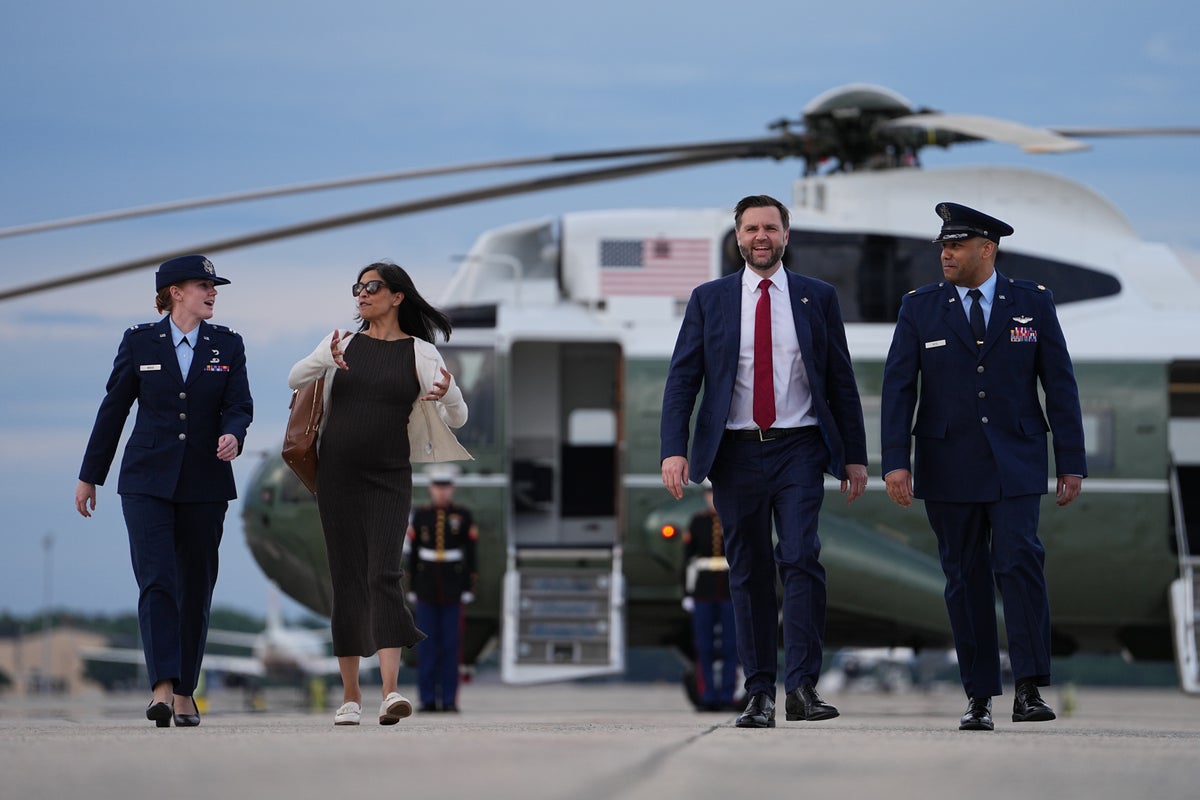
The operational footprint of executive protection is built on a single, uncompromising variable: predictability. When high-ranking government officials deviate from scheduled timelines, they do not merely alter a calendar; they disrupt a highly complex, multi-agency logistical apparatus designed to mitigate risk in real time. Recent disclosures regarding Vice President JD Vance’s spontaneous travel requests—most notably a canceled Marine Two helicopter transfer for his son's golf lesson—highlight a deeper, systemic issue within the executive protection ecosystem.
When spontaneous, "off-the-record" (OTR) travel requests collide with rigid protective protocols, it creates significant friction. This analysis dissects the operational mechanics, cost structures, and systemic vulnerabilities introduced when protective assets are treated as high-flexibility conveniences. For an alternative look, consider: this related article.
The Three Pillars of Executive Protective Operations
To understand why last-minute travel demands strain the United States Secret Service (USSS), one must first understand the structural pillars that support any executive protective mission. The agency operates on a rigid methodology designed to eliminate security blind spots before the protectee ever arrives at a location.
                  ┌────────────────────────┐
                  │   PHYSICAL SECURITY    │
                  │   Site Advances &      │
                  │   Perimeter Control    │
                  └───────────┬────────────┘
                              │
            ┌─────────────────┴─────────────────┐
            ▼                                   ▼
┌────────────────────────┐         ┌────────────────────────┐
│  INTELLIGENCE SYNERGY  │         │  LOGISTICAL ALIGNMENT  │
│  Threat Assessment &   │         │ Transport Coordination │
│  Local Law Enforcement │         │  & Resource Allocation │
└────────────────────────┘         └────────────────────────┘
1. The Site Advance
A standard protective operation begins days or weeks before departure. Advance teams map routes, identify the nearest Level I trauma centers, secure emergency egress points, and establish physical perimeters. When a trip is organized at the last minute, the advance window is compressed from days to hours, forcing agents to rely on rapid-deployment tactics that inherently increase operational risk. Related coverage regarding this has been published by TIME.
2. Intelligence Synergy
Every movement requires real-time coordination with local law enforcement, tactical units, and intelligence agencies. A spontaneous trip deprives security planners of the lead time needed to analyze localized threats, screen local personnel, or sweep environments for hazards.
3. Logistical and Assets Alignment
Securing highly specialized assets—such as armored vehicles, secure communications, and military transport aircraft—requires long-term scheduling. Introducing unscheduled trips forces the reallocation of personnel and equipment, which degrades the readiness of other details and rapidly depletes agency budgets.
The Cost Function of Last-Minute Departures
Spontaneous travel does not simply exhaust personnel; it carries a compounding cost function that strains taxpayer resources and agency infrastructure. Every unscheduled movement generates a cascade of immediate and secondary expenses.
Direct Asset Mobilization
Using military aircraft, such as the Marine Corps helicopters of the HMX-1 squadron (which carry the designation Marine Two when the Vice President is aboard), involves massive fixed and variable operating costs.
- Fuel and Flight-Hour Depreciation: Heavy twin-engine military helicopters require thousands of dollars per flight hour in fuel, maintenance, and airframe wear.
- Crew Readiness: Flight crews must be kept on active alert, accumulating flight time and overtime pay regardless of whether the mission is completed or canceled due to weather.
Personnel Depletion and Overtime
The Secret Service has faced chronic staffing shortages for years. When a protectee requests unexpected personal travel, agents must be pulled from rest cycles or training rotations to fill the detail. The consequences of this approach include:
- Surging Overtime Costs: Agents are pushed into premium pay brackets, rapidly depleting the agency's annual personnel budget.
- The Fatigue Tax: Extended shifts and canceled leave days lead to physical and mental fatigue, directly degrading an agent's situational awareness and reaction times during critical incidents.
- Geographic Straining: Securing an "off-the-record" location on short notice often requires flying in agents from regional field offices, incurring last-minute commercial flights, lodging expenses, and per diem allowances.
The Friction of "Off-the-Record" Personal Travel
While official government travel follows a rigorous approval process with clear policy justifications, personal and family travel operates under a different set of rules. The friction point in the current administration stems from a fundamental disconnect: treating highly specialized, defensive security assets as on-demand luxury services.
The reported request to use a military helicopter to transport a family member to a golf lesson illustrates this operational divide. While the Vice President is entitled to continuous protection, utilizing heavy military assets for local personal tasks represents an inefficient use of government resources.
This friction has reportedly caused a decline in morale within the protective detail. When security personnel feel their primary focus is shifted from high-stakes threat mitigation to managing family conveniences, it strains their relationship with the protectee. This drop in morale has even led to agents mocking the frequent, last-minute demands with custom-made, tongue-in-cheek mementos and stickers.
Strategic Rebalancing: A Model for Executive Protection
To resolve the tension between protectee flexibility and operational sustainability, the Secret Service and the Office of the Vice President must implement a structured framework that balances security with fiscal and human limits.
Implementing Minimum Lead-Time Tiers
Establish clear rules for non-emergency travel based on the complexity of the trip:
- Tier 1 (Routine/Local): Requires a minimum of 12 hours' notice. Utilizes standard local motorcade assets with no specialized air support.
- Tier 2 (Domestic/Out-of-Region): Requires a minimum of 72 hours' notice to allow regional field offices to coordinate with local law enforcement and conduct standard site advances.
- Tier 3 (International/High-Risk): Requires 14 to 30 days' notice, involving full advance teams, international diplomacy coordination, and secured transport logistics.
Asset Appropriateness Guidelines
Draw a clear line between official duties and personal activities. For personal or family errands, the default protocol should rely on ground transportation within a standard secure motorcade, reserving military aviation assets strictly for official state business or urgent national security situations.
Ultimately, the sustainability of executive protection depends on mutual respect between the protectee and their security detail. When leadership acknowledges and respects the logistical realities of security operations, they preserve both taxpayer resources and the operational readiness of the teams tasked with keeping them safe.