When headlines announce the US is increasing its Middle East military buildup, most commentary reduces the news to a simple binary. Either Washington is preparing for an imminent regional war, or the Pentagon is engaging in empty chest-thumping. Both takes miss how modern deterrence actually functions.
If you've spent time tracking defense logistics and Pentagon force posture, you know that moving carrier strike groups, Patriot batteries, and fighter squadrons across thousands of miles isn't a casual press release. It's an expensive, exhausting operational strain on crews and airframes. Yet it's also not an automatic declaration of war. According to reporting from the Associated Press, the Pentagon's recurring surges of warships, air defense systems, and tactical aircraft into the U.S. Central Command (CENTCOM) area of responsibility are designed first and foremost to buy diplomatic time and complicate an adversary's math.
Here's what actually happens behind the scenes when Washington floods the region with hardware—and why the real story lies in the logistics, not just the headlines.
Why the US Middle East Military Buildup Keeps Happening
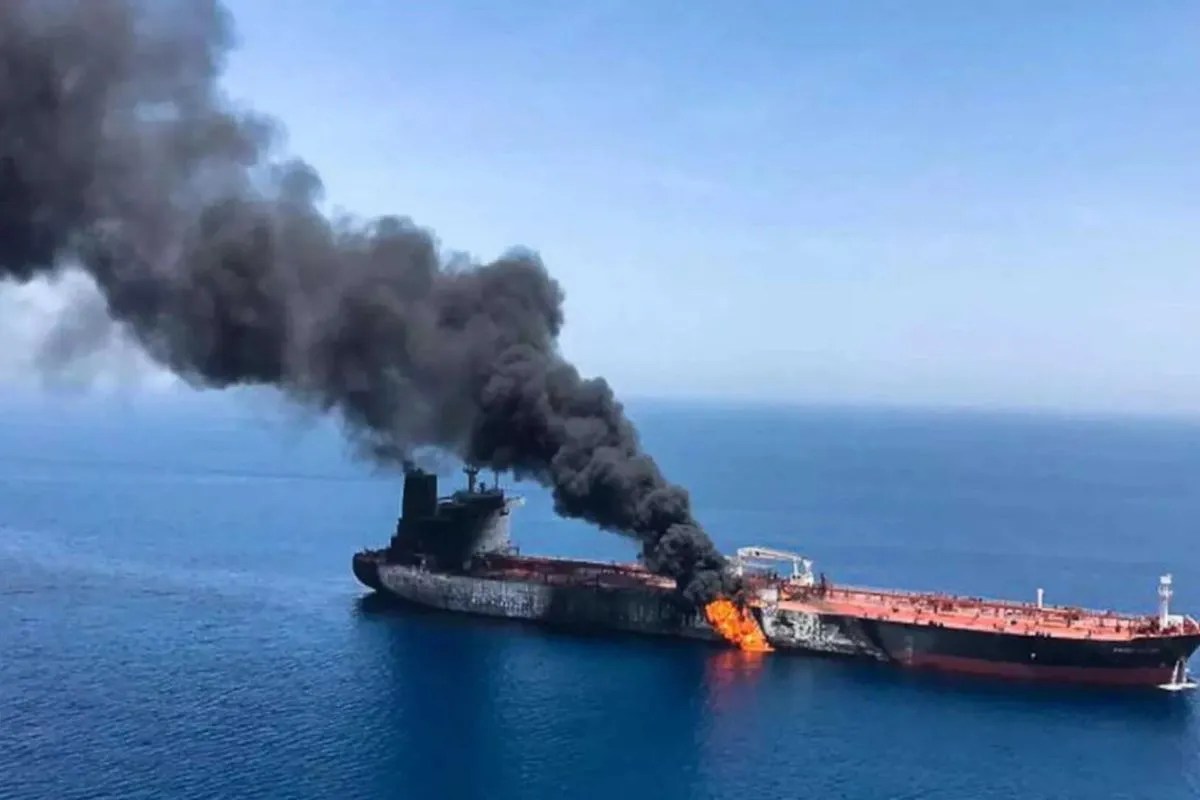
For over a decade, successive administrations tried to pivot military resources away from the Middle East toward the Indo-Pacific. On paper, that strategy makes total sense. In practice, regional crises keep pulling American firepower right back into the Persian Gulf, the Red Sea, and the Eastern Mediterranean.
You can't deter threats in two theaters with one fleet. When attacks on commercial shipping in the Red Sea spike, or when ballistic missile exchanges threaten regional allies, the White House reaches for the fastest, most visible lever it owns—forward-deployed military power.
The core objective of a US Middle East military buildup isn't usually an invasion. Ground invasions require months of staging hundreds of thousands of troops, massive logistics hubs, and unmistakable diplomatic preparation. What we see during these surges is an escalation dominance posture. The Pentagon sends just enough air and naval superiority to make any adversary think twice before launching a major strike, while signaling to allies that American security guarantees aren't just ink on paper.
The Mechanics of Deterrence by Denial
Military planners separate deterrence into two buckets. Deterrence by punishment means promising devastating retaliation after you get hit. Deterrence by denial means making it so hard for the enemy to succeed in the first place that they don't bother trying.
A modern surge leans heavily on denial. Deploying additional Patriot and Terminal High Altitude Area Defense (THAAD) batteries doesn't threaten an adversary's capital. Instead, those systems create an overlapping shield designed to blunt drone swarms and ballistic missile salvos. When you pair ground-based interceptors with Aegis-equipped destroyers at sea, you're building a layered dome.
What Hardware Actually Moves During a Surge
News reports often throw around vague phrases like "additional assets" or "beefed-up presence." If you want to understand what Washington is actually preparing for, look at the specific platforms being deployed. Every piece of equipment tells a different operational story.
- Carrier Strike Groups (CSGs) A Nimitz-class or Ford-class aircraft carrier brings roughly 70 to 80 aircraft to the fight, alongside cruisers and guided-missile destroyers. Carriers don't need host-nation permission to launch strikes, which solves a massive political headache when regional partners get nervous about hosting US combat missions.
- Tactical Fighter Squadrons Moving F-15E Strike Eagles, F-16s, or F-35s into land bases boosts persistent air patrols. Unlike carrier jets that have to cycle through deck recoveries, land-based fighters can sustain high sortie rates over Iraq, Syria, or neighboring airspace with tanker support.
- Guided-Missile Submarines The Pentagon rarely advertises submarine movements. When CENTCOM publicly announces that an Ohio-class guided-missile submarine (SSGN)—capable of carrying up to 154 Tomahawk cruise missiles—has transited the Suez Canal, that's a deliberate warning shot aimed straight at Tehran and its regional proxies.
- B-52 and B-1B Bomber Task Forces Strategic bombers flying nonstop from bases in the continental United States or Europe prove that the Pentagon doesn't even need local runways to drop heavy ordnance. It's the ultimate reminder of global reach.
Notice what's missing from that list? Massive armored divisions. You aren't seeing tens of thousands of infantry soldiers boarding transport planes. That distinction matters. It tells you Washington wants precision strike capability and defensive interception, not a protracted ground occupation.
The Hidden Cost Nobody Talks About
Politicians love ordering naval deployments because ships look decisive on evening broadcasts. Admirals and maintenance crews hate how often it happens.
Every time a carrier strike group gets extended on station in the Middle East, it breaks a carefully calibrated global maintenance cycle. Ships miss scheduled dry-dock overhauls. Sailors spend nine or ten months at sea instead of the standard six or seven. Aircraft corrosion accelerates in the brutal heat and salt air of the Persian Gulf.
I've watched Pentagon readiness reports track this exact problem for years. You can't run a 300-ship Navy like a 600-ship Navy without breaking things. When the Pentagon surges assets into CENTCOM, those ships and squadrons are pulled directly from somewhere else—often leaving gaps in the Western Pacific or forcing crews in Norfolk and San Diego to rush out of port early.
The Munitions Math Problem
There's another quiet vulnerability in these buildups, and it comes down to basic economics.
Intercepting a $20,000 one-way attack drone with a $2 million Standard Missile-2 or a $4 million Patriot interceptor is terrible math. You win the tactical engagement because the drone misses its target. You lose the strategic exchange if your magazine runs dry faster than defense contractors can build replacements.
During extended Red Sea and regional air defense operations, US destroyers burned through surface-to-air missiles at rates not seen since World War II. A military buildup looks intimidating on a map, yet behind the scenes, logisticians are frantically calculating interceptor stockpiles and vertical launch system (VLS) reload times—something warships still can't easily do at sea in rough waters.
Common Misconceptions About Pentagon Troop Movements
When Pentagon press secretaries step up to the podium to announce new deployments, public debate usually trips over three predictable misunderstandings.
Misconception 1 A Buildup Means War Starts Tomorrow
In reality, visible deployments are often used to prevent war. If the US intended to launch a surprise attack, it wouldn't broadcast troop movements to the Associated Press. Publicizing the arrival of fighter squadrons and naval task forces gives adversaries an off-ramp. It lets them tell their domestic audiences that they held back because of overwhelming American force, rather than internal weakness.
Misconception 2 Regional Allies Welcome Every Deployment
You might assume Gulf states and regional partners cheer every time more American jets land nearby. They don't. Many regional capitals walk a tightrope. They want American air defense umbrellas protecting their oil infrastructure and cities, yet they fear that hosting offensive US strike aircraft makes them prime targets for retaliation. Behind closed doors, diplomats spend weeks negotiating strict rules on what missions can launch from which runways.
Misconception 3 Satellite Photos Tell the Whole Story
Open-source intelligence accounts on social media love posting satellite images of packed tarmacs at Al Udeid Air Base or Muwaffaq Salti Air Base. While those photos confirm hardware is present, they don't show rules of engagement, intelligence-sharing agreements, or cyber operations running silently in the background. Sometimes a single electronic warfare package or intelligence aircraft matters more than a dozen visible fighters parked on concrete.
How to Read the Next Pentagon Deployment Announcement
If you want to cut through sensational headlines the next time Washington shifts forces into the Middle East, pay attention to three specific indicators rather than raw troop numbers.
First, watch tanker and cargo flights. Public flight-tracking data showing a sudden spike in KC-135 or KC-46 aerial refueling tankers and C-17 Globemaster transport flights heading toward Europe and the Middle East is the clearest sign of imminent high-tempo air operations. Fighters can't go far without gas.
Second, look at carrier overlap. Having one carrier in the region is routine. Having two carrier strike groups operating simultaneously in CENTCOM waters—or holding one in the Eastern Mediterranean while another patrols the Gulf of Oman—signals genuine alarm in the White House Situation Room.
Third, check defensive vs. offensive ratios. If the Pentagon sends Patriot batteries, THAAD systems, and medical units, it expects incoming fire and wants to absorb the blow without casualties that force an escalation. If it sends amphibious ready groups with Marine Expeditionary Units and heavy bomber detachments, it's preparing for active crisis response and potential strike packages.
Track those three signals, compare them against official Pentagon briefings rather than anonymous social media rumors, and you'll understand Washington's actual intentions long before the pundits catch up.