The desert outside Tucson does not keep secrets gently. It swallows them whole. When eighty-four-year-old Nancy Guthrie vanished from her Catalina Foothills home on the chilly night of January 31, she left behind a broken back porch light, an Apple Watch with a white band resting silently on her bedroom floor, and a terrifying, clock-ticking void.
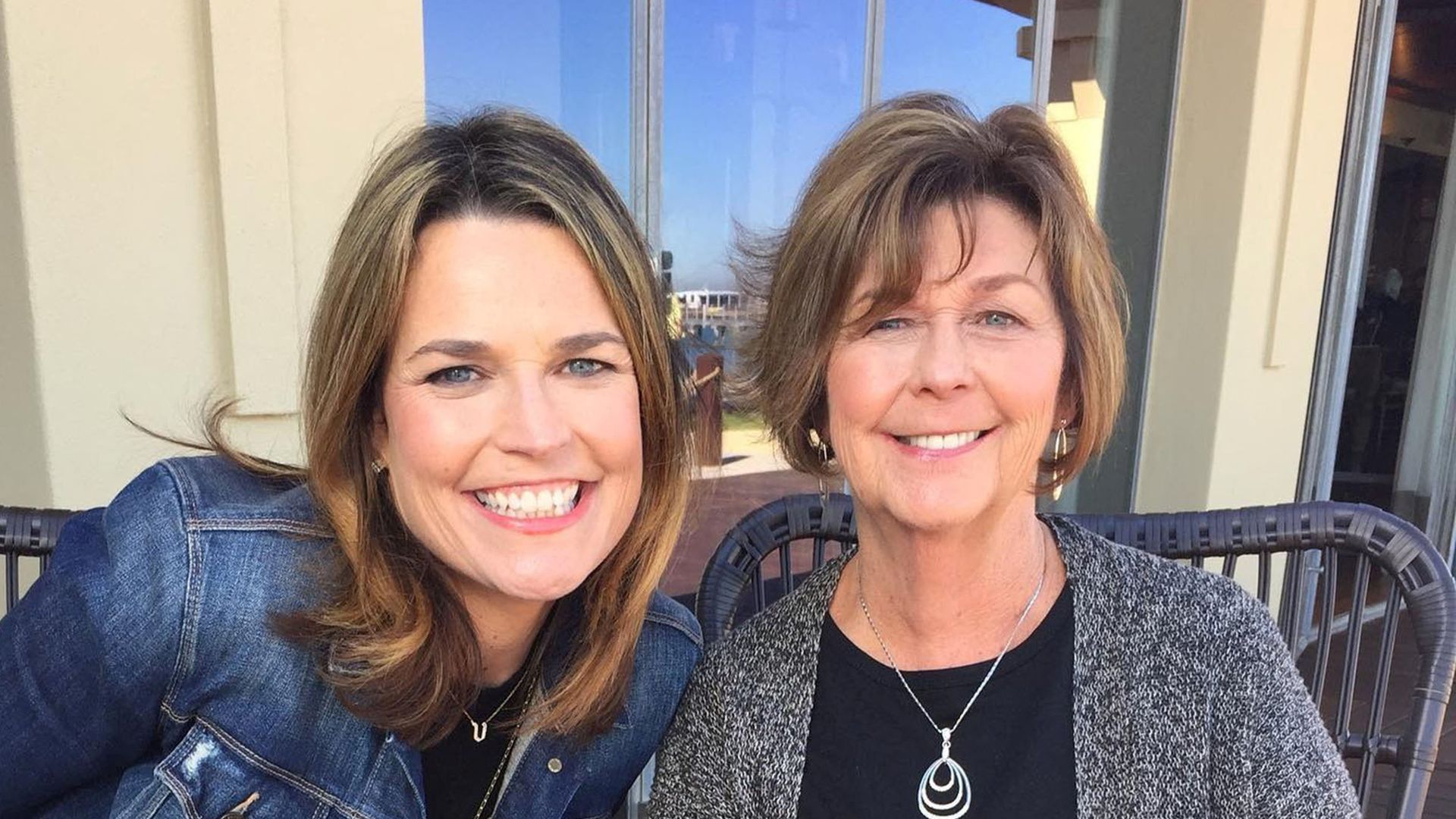
Nancy is a vulnerable woman. She has a pacemaker, relies on daily heart medication, and walks with great difficulty. Her disappearance wasn't a wandering; a security camera captured an armed man tampering with her front door that morning. It was an abduction, a raw nightmare that thrust her daughter—Today show co-anchor Savannah Guthrie—and her family into the agonizing, public role of desperate searchers.
Then came the letters.
For nearly five months, these pieces of paper were the fragile anchors the Guthrie family held onto. They offered a terrifying, yet strangely comforting premise: if there is a demand, there is a deal to be made. If there is a ransom, she must still be alive.
But federal investigators have just cut those anchors away.
The Digital Echo Chamber
Imagine the cold calculation it takes to insert oneself into a family's living hell.
The first note arrived on February 2, zipped through the online tip lines of local Arizona news stations and the celebrity news outlet TMZ. It was explicitly addressed to Savannah Guthrie. The prose was chillingly specific, citing the broken porch light and the exact placement of the white-banded Apple Watch on the bedroom floor. It demanded millions of dollars, strictly in cryptocurrency, dictated across two strict deadlines.
To a family paralyzed by shock, it felt real. It had to be real. How else could someone know about the watch on the floor?
The FBI treated it with the gravity of a life-or-death gamble. Cyber agents went so far as to deposit a small test amount of cryptocurrency into the digital wallet provided by the sender, hoping to bait the trap and trace the withdrawal.
The money sat there. Untouched. Static on a ledger.
Days later, a second note surfaced. The tone shifted dramatically, adopting a dark, faux-apologetic cadence. The sender claimed Nancy had died and was "with nature now," implying her death was an accident, an unintended consequence of the abduction.
Still, the family begged for her return. On an emotional Instagram broadcast, Savannah and her siblings looked directly into the camera. "We received your message and we understand," she said, her voice weighted with a daughter's profound grief. "We beg you now to return our mother... we will pay."
They were bargaining with ghosts.
The Machinery of Deception
The illusion broke entirely when the FBI’s Phoenix Field Office officially declared that all three communications—including a recent third message claiming to hold video evidence of the kidnappers on a hidden cell phone—are completely, utterly fake. They did not come from the armed man at the door. They came from extortionists using public scraps of news and leaked police details to construct a lucrative lie.
Consider the psychology of this specific cruelty.
True kidnappers operate under extreme pressure. They want the money fast, and they want out. They do not typically broadcast ransom demands to TMZ’s public tip line unless they are hunting for attention rather than a payout.
When criminal profilers dissected the letters, the seams unraveled. The first note was cold, transactional, hyper-focused on the mechanics of Bitcoin. The second note attempted a bizarre, empathetic pivot, offering condolences and apologies. It revealed a fractured narrative identity. The person writing wasn't a desperate criminal holding a hostage; it was an opportunist playing a character.
The third note sealed its own irrelevance by demanding a single Bitcoin in exchange for the location of a phone containing the identities of the kidnappers. As veteran investigators pointed out, risking federal extortion charges and the wrath of an international manhunt for a single unit of crypto makes zero sense for a mastermind. It makes perfect sense, however, for a small-time grifter looking for a quick payout from a grieving family that has publicly posted a $1 million reward.
The Weight of the Empty Chair
The revelation shifts the entire landscape of the investigation, but more importantly, it resets the emotional toll on the family.
A fake ransom note is a double-edged blade. On one hand, it means the terrifying declaration that Nancy "died in nature" is nothing but a fabrication by a distant stranger. It reopens the window of hope that she is still out there, waiting. On the other hand, it means five months have been spent chasing smoke. The trail has grown cold while the family's emotional bandwidth was hijacked by digital trolls.
Sitting on the Today show set, anchoring the news while being the news, Savannah Guthrie stood before the public to plea for clarity. "Somebody knows something," she said, choosing her words through an immense, visible strain. "We are in agony and we cannot be at peace."
The search moves back to square one, stripped of the digital noise. Pima County detectives and federal agents are back to analyzing the physical evidence: the small trace of blood found near her doormat, the forensic recovery of automatically deleted security footage, and the hunt for the man in the black hiking pack who walked up her steps in January and changed a family's reality forever.
The letters are gone, exposed as worthless ink. What remains is an empty house in the Arizona hills, an uncollected reward, and a family refusing to let the silence win.