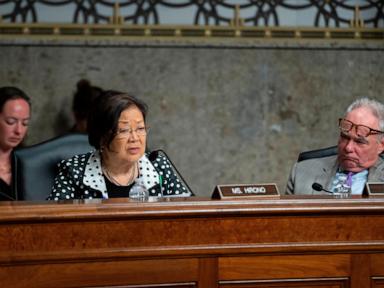
The U.S. Senate effectively sanctioned a total energy blackout of Cuba on Tuesday, voting 51-47 to kill a resolution that would have forced President Donald Trump to seek congressional approval before continuing his naval blockade of the island. While the White House frames the maneuver as a strategic squeeze on a communist adversary, the reality on the ground in Havana is a total collapse of civilian infrastructure that Washington is now legally permitted to accelerate without oversight.
The vote was a calculated procedural execution. By moving to dismiss the resolution as "out of order," Senate Republicans avoided a floor debate on the humanitarian fallout of the blockade, arguing instead that because no shots have been fired, "hostilities" do not technically exist. This semantic shield allows the administration to continue using the U.S. Coast Guard and Navy to intercept oil tankers heading for Cuban ports while maintaining the fiction of a peacetime embargo.
The New Mechanics of Economic Warfare
This is not the Cold War-era embargo of your grandfather's generation. In 2026, the blockade has evolved into a sophisticated, multi-front strangulation of the Cuban power grid. By targeting non-U.S. entities—specifically Mexican state-owned Pemex and various shipping conglomerates—the administration has turned global insurance markets and maritime law into weapons.
Under Executive Order 14380, signed earlier this year, the U.S. now imposes massive tariffs on any nation that facilitates oil shipments to the island. This "secondary sanction" strategy has effectively forced Mexico to halt its sovereign oil deliveries, leaving Cuba to rely on sporadic, high-risk shipments from Russia. When a Russian tanker arrived in Havana last month, it provided enough diesel for exactly twelve days of power. The Senate's refusal to intervene ensures that this cycle of temporary relief and systemic collapse remains the status quo.
The Hostilities Loophole
The crux of the legislative failure lies in the interpretation of the War Powers Act. Senator Tim Kaine and his allies argued that the physical prevention of fuel deliveries—using American military assets to board and redirect commercial vessels—constitutes an act of war.
"If any nation did to the United States what we are doing to Cuba, we would call it an act of war before the first sun set," Kaine argued on the floor.
The opposition, led by Florida Senator Rick Scott, countered that as long as no American boots are on Cuban soil and no missiles are in the air, the President has total "commander-in-chief" latitude. This creates a dangerous precedent where a "blockade" is treated as a trade policy rather than a military operation. By keeping the conflict in this legal gray zone, the administration can bypass the constitutional requirement that only Congress can declare war.
Beyond the Light Switches
The impact of the Senate’s inaction extends far beyond darkened streets in Havana. The energy crisis has triggered a secondary collapse in water sanitation and food preservation.
- Water Scarcity: Without electricity to run pumping stations, major cities are seeing water access limited to a few hours every three or four days.
- Medical System Failure: Hospitals are operating on aging backup generators that lack the fuel for long-term surgery or refrigeration of essential vaccines.
- Mass Migration: The lack of basic utilities is driving a record-breaking surge in migration toward the U.S. southern border, ironically creating the very "national emergency" the administration claims to be solving.
The Strategic Miscalculation
There is a pervasive belief in Washington that one final push will cause the Cuban government to splinter. History suggests otherwise. Decades of pressure have rarely toppled the leadership; instead, they have entrenched the most hardline elements of the Cuban Communist Party while punishing the nascent private sector that the U.S. claims to support.
By blocking the War Powers Resolution, the Senate has removed the last check on an administration that has openly stated "Cuba is next." With the U.S. already engaged in escalating conflicts in the Middle East, the Caribbean has become a theater for a "silent war" where the primary casualties are not soldiers, but the infrastructure of daily life.
The vote on Tuesday was not just about Cuba. It was a formal abdication of congressional responsibility over the use of American force. As the naval cordon tightens, the line between an economic embargo and a military siege has vanished, leaving the Caribbean’s most populous island in a state of permanent, manufactured catastrophe.