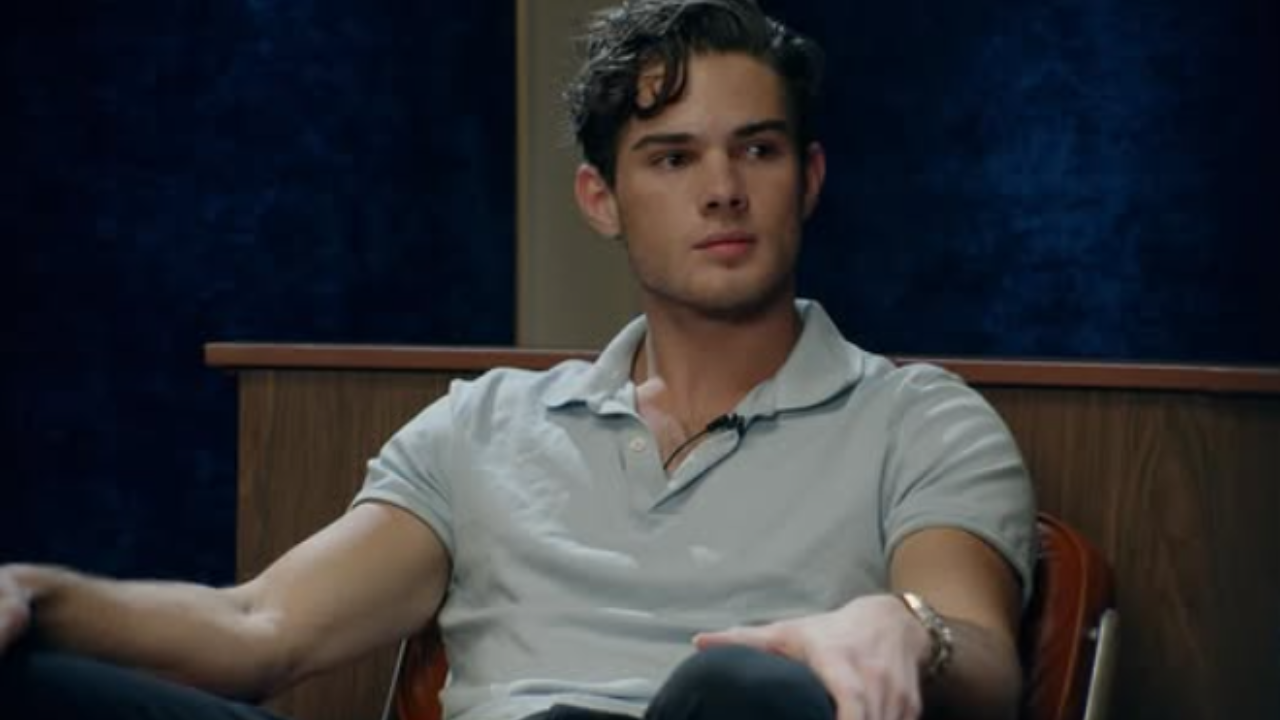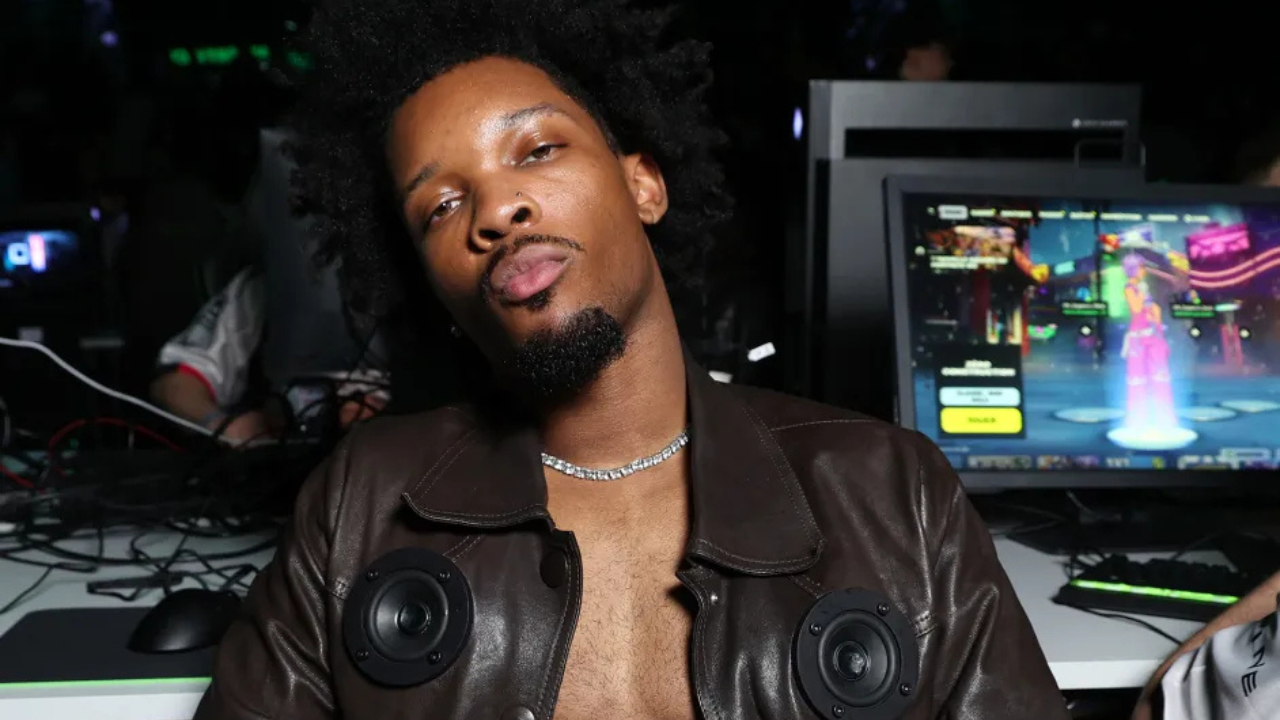
The media is falling for it again.
When the news broke about David Anthony Burke, better known as D4vd, making "unusual requests" ahead of a court hearing, the industry press went into a predictable tailspin. They painted a picture of a young, eccentric artist clashing with a rigid legal system. They analyzed the judge’s "twist" response as if it were a high-stakes chess move.
It wasn't. It was a masterclass in brand maintenance.
Most people see a courtroom as a place where careers go to die or where justice is dispensed in cold, sterile increments. For a Gen Z phenom built on the back of TikTok virality and "Romantic Homicide" angst, the courtroom is just another stage. The "unusual request" isn't a sign of a legal struggle; it’s a strategic pivot to keep the narrative centered on his persona rather than the mundane details of a contract dispute or a copyright claim.
The Myth of the Reluctant Litigant
The "lazy consensus" suggests that artists fear the law. We are told that legal battles are distractions that sap creativity and drain bank accounts.
I have seen labels and management teams spend six figures on legal fees not because they expected to win a specific motion, but because they needed the optics of a fight. In the streaming era, attention is the only currency that doesn't devalue overnight. A boring out-of-court settlement doesn't move the needle. A "twist" in a hearing? That’s a headline. That’s a trending topic.
D4vd isn't a victim of the legal system. He is using it to reinforce his "anti-industry" credentials. When an artist makes a request that breaks protocol, they aren't necessarily looking for a legal advantage. They are signal-boosting to their fan base that they remain unbought and unbossed, even when facing a judge in a black robe.
Legal Procedures as Viral Content
Let’s look at the mechanics. Most legal proceedings are mind-numbingly dull. They involve hours of procedural posturing, disputes over discovery timelines, and dry interpretations of "work for hire" clauses.
The industry press cherry-picks the "weird" moments because the reality is too boring to sell ads. By focusing on the "unusual request," the media ignores the actual substance of the litigation. This suits the artist perfectly.
Why the "Twist" Isn't a Twist
The judge’s response—often framed as a witty or unexpected rebuke—is usually just standard judicial discretion. Judges are humans; they know when a camera is in the room. They know when a case has a high profile. A judge "shutting down" a celebrity or offering a "creative" compromise isn't a plot twist in a legal drama. It’s the system functioning exactly as it was designed to: by maintaining the decorum of the court against the performance of the individual.
The real nuance here is that D4vd’s team likely knew the request would be denied or modified. In the world of high-level PR, a "loss" in a preliminary hearing is a win in the court of public opinion. It builds the "underdog" narrative.
- Scenario: An artist asks to record a deposition for "artistic purposes."
- Result: The judge denies it.
- Narrative: "The Man is trying to silence the artist’s vision."
It’s a win-win. The artist gets the street cred, and the legal team proceeds with the actual defense behind closed doors.
The Death of the Private Dispute
We are living through the total erosion of the "private" legal matter. From Taylor Swift’s master recordings to the Depp-Heard circus, the legal system has been repurposed as a marketing engine.
D4vd is just the latest to internalize this. His music—lo-fi, emotional, recorded in a sister’s closet—thrives on intimacy and perceived authenticity. A sterile legal battle threatens that brand. A chaotic, "unusual" legal battle reinforces it.
The Cost of Performance
The downside to this contrarian approach is obvious: it’s expensive and risky. Not every judge appreciates being a bit player in a 19-year-old’s brand strategy.
I’ve seen artists lean too hard into the "rebel" persona during litigation and end up with contempt charges or, worse, alienated judges who rule harshly on the actual merits of the case. But for D4vd, the risk is calculated. Even if he loses the legal argument, if he retains the loyalty of millions of listeners who see him as a fighter, the ROI is astronomical.
Dismantling the "People Also Ask"
Is D4vd in real trouble?
The question assumes that legal trouble is a binary state. In the music industry, "trouble" is often just a synonym for "renegotiation." Most of these high-profile disputes end in a settlement that both parties agree to keep quiet about. The public "drama" is just the leverage used to get to that table.
Why did the judge respond that way?
Because judges hate having their time wasted. What the media calls a "twist," a law clerk calls "efficiency." The judge isn't a fan or a critic; they are a bureaucrat.
Does this affect his music?
Directly? No. Indirectly? It provides the "pain" and "struggle" necessary to fuel the next three albums. The industry eats up the narrative of the tortured artist fighting the machine.
Stop Rooting for the "Twist"
The audience needs to stop treating legal filings like Marvel movie post-credit scenes. When you see a headline about an "unusual request" or a "shocking response," ask yourself who benefits from you reading it.
The label? Always.
The artist? Usually.
The truth? Rarely.
The legal system is a tool. Sometimes that tool is used to settle a debt. Other times, it’s used to build a monument to an artist’s ego. D4vd knows exactly which one he’s doing. He isn't fighting the system; he's inviting it to dance because he knows the world is watching the footwork.
If you’re waiting for a "fair" outcome, you’re watching the wrong show. This isn't about law. It’s about the theater of the misunderstood.
Stop reading the tea leaves of the transcript and start looking at the release schedule. The real "twist" is that you’re paying for the defense fund every time you hit play.
Don't pity the artist in the courtroom. He's the only one in the room who knows where the cameras are hidden.