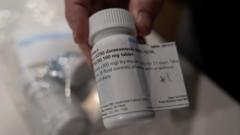
Pancreatic cancer has long carried a terrifying reputation. For decades, a diagnosis felt like an immediate clock ticking down, with doctors offering little more than aggressive chemotherapy that ravaged the body for a few extra weeks of life. But recent clinical trial data has disrupted this bleak narrative. A daily pill is doubling survival time for specific pancreatic cancer patients. This isn't just another incremental laboratory victory. It represents a fundamental shift in oncology. We are moving away from blanket cellular destruction and toward highly targeted, manageable outpatient therapy.
If you or a loved one are navigating this diagnosis, you need to understand exactly how this treatment works, who actually qualifies for it, and what questions to ask your oncologist right now.
The Science Behind the Survival Breakthrough
We need to talk about what "doubling survival" actually means in the real world. In major clinical trials, researchers evaluated the efficacy of targeted oral inhibitors against standard care for patients carrying specific genetic mutations, most notably the BRCA1 and BRCA2 variations. For years, people associated BRCA mutations almost exclusively with breast and ovarian cancer. That was a mistake. These mutations also drive a distinct subset of pancreatic tumors.
When patients with metastatic pancreatic cancer who responded to initial chemotherapy switched to a daily oral maintenance therapy—specifically PARP inhibitors like olaparib—the results shocked the oncology community.
Progress-free survival doubled.
The mechanism here is fascinating. Cancer cells with BRCA mutations already have a broken DNA repair system. PARP inhibitors step in and block a second backup DNA repair pathway within those cells. By cutting off both escape routes, the cancer cells simply cannot replicate and they die off. Normal, healthy cells don't have the BRCA mutation, so they handle the drug with far less drama.
This is a massive departure from traditional treatment. Instead of keeping a patient tethered to an infusion chair in a hospital ward, this treatment happens at the kitchen table. You swallow a pill. You go about your day.
Who Qualifies for This Treatment
This pill is not a magic bullet for every single pancreatic tumor. Pancreatic cancer is incredibly complex, and a treatment that works miracles on one tumor might do absolutely nothing for another.
To benefit from this specific daily pill strategy, patients must meet a strict set of criteria.
- You must have a germline or somatic BRCA mutation. This accounts for roughly 5% to 7% of all pancreatic cancer cases. While that percentage sounds small, it represents thousands of individuals every year who finally have a tailored weapon against their disease.
- The tumor must be stable. This daily pill shines as a maintenance therapy. That means you undergo an initial round of platinum-based chemotherapy first. If the chemo shrinks the tumor or keeps it from growing for at least sixteen weeks, the pill can take over to lock that progress in place.
- Good overall organ function. Even though oral targeted therapies are much easier on the body than standard chemotherapy, your liver and kidneys still need to process the medication efficiently.
The biggest mistake patients and families make right now is failing to ask for genetic testing at the moment of diagnosis. If your medical team isn't sequencing the tumor, they are flying blind. You cannot access this daily pill if nobody checks whether your tumor possesses the specific genetic flaw the pill is designed to exploit. Demand a full genomic profiling panel immediately.
Side Effects of Oral Oncology Versus Traditional Chemo
Let's be completely honest here. "Easier than chemotherapy" does not mean "free of side effects." Any drug powerful enough to stall advanced cancer will make its presence known. However, the nature of these side effects is completely different from the systemic toxicity of traditional intravenous drugs.
With standard chemotherapy regimens like FOLFIRINOX, patients regularly face severe hair loss, debilitating nerve damage in their fingers and toes, and a total wipeout of their immune system that leaves them vulnerable to lethal infections.
The daily maintenance pill presents a different, much more manageable profile. The most common issues reported by patients include moderate fatigue, mild nausea, and anemia.
Managing these side effects requires a proactive approach. Doctors can easily adjust the dosage of oral therapies without sacrificing their cancer-fighting power. If the fatigue becomes overwhelming, dropping the dose slightly often solves the problem. It allows patients to maintain their independence, drive cars, eat regular meals, and spend meaningful time with family. It trades survival at all costs for true quality of life.
Navigating the Financial and Practical Realities
Living with an oral cancer treatment requires a shift in how you manage your healthcare. When you take chemotherapy at a clinic, the medical staff handles every dose, monitors your vitals, and verifies the schedule. When you get prescribed a daily pill, you become the primary caregiver.
Compliance is everything. Missing doses or taking the medication incorrectly can allow the tumor to find a workaround and start growing again. You need a rock-solid system. Use pill organizers, set multiple phone alarms, and enlist a family member to double-check your daily intake.
Then there is the financial hurdle. Specialized oral oncology medications are notoriously expensive. Because they are dispensed through specialty pharmacies rather than administered in a hospital setting, they fall under prescription drug benefits rather than major medical insurance. This quirk in insurance design can lead to massive out-of-pocket copays.
Do not let a high initial price tag panic you. Drug manufacturers almost always offer robust copay assistance programs, and independent non-profit foundations provide grants specifically to cover the cost of these targeted pancreatic cancer therapies. Bring a social worker or a financial navigator into your care team early to handle the paperwork.
What You Must Ask Your Oncologist Today
Medical consensus takes time to trickle down to every local community hospital. You cannot assume your doctor will automatically bring up this breakthrough during your next fifteen-minute appointment. You need to advocate for yourself or your family member with specific, pointed questions.
Bring a notebook to your next consultation and lead with these exact queries.
First, ask if your tumor has undergone next-generation sequencing. If the answer is no, ask when it can be scheduled. Second, find out if your current frontline treatment plan involves platinum-based chemotherapy, as this specific chemo paves the way for switching to maintenance pills later. Third, ask directly if you are a candidate for PARP inhibitors or similar targeted oral therapies based on your personal genetic profile.
If your oncologist dismisses these questions or hesitates to order genetic testing, it is time to seek a second opinion from a high-volume pancreatic cancer research center. Your life depends on getting the most precise data available about your specific tumor.