When a major hurricane strikes, the immediate aftermath is measured in wind speeds, roof damage, and floodwaters. But the true measure of a region's vulnerability is found in the electric grid. When severe weather systems batter the Gulf Coast, hundreds of thousands of residents are routinely plunged into darkness. This power failure is not merely an act of nature. It is the predictable consequence of aging infrastructure colliding with increasingly volatile climate patterns.
Power outages affecting hundreds of thousands across the Florida Panhandle and Alabama during severe tropical events expose a systemic fragility in how electricity is delivered and managed. Storms like Hurricane Isaias serve as stark reminders that the electrical grid powering the American Southeast was built for a different era. If you found value in this piece, you should read: this related article.
The Anatomy of a Grid Collapse
To understand why a regional blackout happens with such terrifying speed, one must look up. Overhead power lines remain the standard method of electricity distribution across much of the American South. Strung across wooden utility poles and exposed to dense tree canopies, these lines are exceptionally vulnerable to high winds and falling limbs.
When sustained winds exceed tropical storm force, vegetation becomes the primary weapon against the grid. Pine trees, oaks, and unchecked foliage snap or drop heavy branches directly onto distribution lines. Transformers blow, substations flood, and miles of copper wiring hit the asphalt. For another angle on this development, check out the recent update from NBC News.
Yet, blaming the trees misses the point. Utilities operate under a delicate financial equilibrium. Trimming trees along millions of acres of right-of-way costs billions of dollars. Investor-owned utilities and rural electric cooperatives constantly balance the cost of aggressive vegetation management against the rates charged to consumers. In many cases, maintenance is reactive rather than preventative. Trees grow faster than maintenance budgets can keep up, leaving a patchwork of vulnerable corridors waiting for the next gale.
Substation Vulnerability and Coastal Geography
Beyond the overhead lines, coastal substations face a distinct threat from storm surge and torrential rainfall. Substations house the heavy transformers and switching gear necessary to step voltage down from transmission lines to neighborhood service lines.
Many of these facilities were built decades ago, often in low-lying areas prone to flooding. When heavy rainfall accompanies high winds, water breaches substation perimeters. Saltwater driven inland by storm surge corrodes sensitive electrical components, turning routine flooding into catastrophic equipment failure. Replacing a blown transformer on a clear day is standard maintenance. Replacing dozens of custom-built, multi-million-dollar substation transformers simultaneously creates a supply chain bottleneck that can leave communities dark for weeks.
The Cost of Delayed Modernization
Undergrounding power lines—burying them out of reach of wind and trees—is the obvious engineering solution. European nations and dense urban centers solved the overhead wire problem generations ago. Why hasn't the Gulf Coast followed suit?
The answer is economic friction. Undergrounding a distribution system costs anywhere from three to ten times more than building overhead lines. In sandy, high-water-table regions like parts of Florida and coastal Alabama, burying lines introduces massive challenges with corrosion, water intrusion, and difficult maintenance access. Utilities pass these capital costs directly to ratepayers. Regulators often balk at approving multi-billion-dollar rate hikes, fearing the political fallout for working-class families already straining under inflation.
Consequently, modernization happens incrementally. Smart grid technologies, automated switches, and self-healing networks have been deployed in major metropolitan zones, but rural and semi-rural expanses in the Panhandle and inland Alabama often rely on the same analog infrastructure that was installed during the late twentieth century.
The Human Toll and Economic Paralysis
When the lights go out for a quarter of a million people, the impact extends far beyond inconvenience. Modern life relies entirely on a continuous flow of electricity.
Traffic signals go dark, turning intersections into hazards. Water treatment plants lose primary power, forcing boil-water notices that paralyze restaurants and hospitals. Refrigeration fails
Darkness on the Line Why Hurricane Isaias Exposed a Broken Grid
news
category
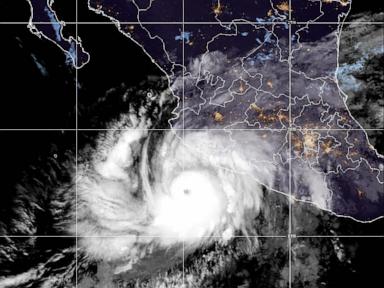
When Hurricane Isaias ripped through the American Southeast and the Florida Panhandle, hundreds of thousands of residents found themselves plunged into sudden, suffocating darkness. Trees snapped like dry twigs, transformers exploded with blinding blue flashes, and the hum of everyday life ground to an abrupt halt. On the surface, the narrative looked familiar. Another major storm, another massive utility failure, another round of pointing fingers at Mother Nature.
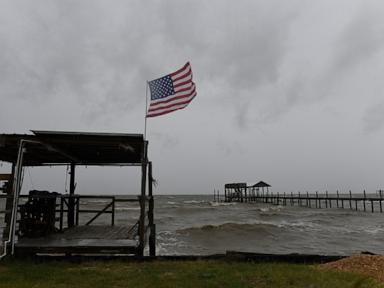
The storm left hundreds of thousands without power after Isaias slammed the Florida Panhandle and Alabama, exposing vulnerabilities that go far beyond wind speeds and heavy rainfall. This was not merely an act of God. It was the predictable consequence of aging infrastructure, deferred maintenance, and a regional energy grid that has consistently prioritized short-term corporate dividends over long-term resilience.
To understand why a Category 1 or high-tropical system can cripple a regional power network so effectively, one must look below the asphalt and behind the overgrown easements where distribution lines run. Power companies love to talk about unprecedented weather events. They lean heavily on the excuse of flying debris and saturated soil. Yet, meteorological records show that Isaias was hardly an unprecedented meteorological monster when it made landfall. Its winds were potent, yes, but they were well within the design thresholds of what a modern, hardened electrical grid should be able to weather without total regional collapse.
The real culprit lies in the chronic underinvestment in subterranean transmission lines and aggressive vegetation management. For decades, utility providers across Alabama and the Florida Panhandle have relied on overhead wooden poles and bare copper lines strung through dense canopies of pine and oak. Trimming trees away from power lines is expensive. It requires labor, permits, coordination with local municipalities, and, above all, capital expenditure that does not immediately show up on quarterly earnings reports for shareholders.
Consequently, routine pruning was delayed or performed half-heartedly. When Isaias arrived, millions of mature branches acted as massive levers, catching the wind and snapping the aging wooden poles that supported them.
Compounding the physical decay of the grid is the sluggish adoption of smart-grid automation. In regions heavily impacted by Isaias, operators still depend on manual sectionalizing switches and customer phone calls to locate downed lines. While urban centers on the national stage have moved toward self-healing loops—grids that automatically reroute power around damaged segments within milliseconds—rural and semi-rural expanses in the Panhandle remain tethered to twentieth-century technology. When a substation goes down, the entire cascade goes blind. Technicians must physically drive the routes, navigating flooded roads and blocked highways just to find out where the line is severed.
This brings us to the human cost, which extends far beyond the inconvenience of a dark kitchen. In the modern era, electricity is not a luxury; it is a critical determinant of public health. When the grid fails for days or weeks in the sweltering humidity of the southern summer, air conditioning ceases to function. For the elderly, infants, and those dependent on home medical equipment, a prolonged blackout is a life-threatening emergency. Hospitals and emergency shelters switch to backup diesel generators, but diesel fuel supplies are finite, and fuel delivery trucks often find themselves trapped behind the same fallen timber blocking residential roads.
Local emergency management agencies found themselves overwhelmed not because they lacked courage, but because the foundational utility infrastructure failed to hold the line. First responders cannot clear roads efficiently when tangled, live high-voltage lines are draped across asphalt like discarded fishing nets. Every hour the power stays off multiplies the strain on local clinics, municipal water pumps, and supply chains.
Utility executives invariably step up to microphones after every major storm to praise the dedication of their line crews. Those crews do heroic work, often laboring sixteen-hour shifts in sweltering heat, wading through swamps, and climbing splintered poles while swatting away mosquitoes. No one faults the boots on the ground. The failure is systemic, institutional, and rooted in boardrooms far removed from the snapped poles of Alabama and Florida.
When regulators allow investor-owned utilities to operate as regional monopolies without strict, enforceable mandates for grid hardening, resilience becomes optional. Why spend billions burying lines underground when you can simply pass the cost of storm restoration onto ratepayers through riders and surcharges? The financial incentive structure actively rewards vulnerability. Utilities spend millions on public relations campaigns following disasters, assuring the public that they are "hardened for the future," only for the next moderate storm to yield the exact same blackouts.
Fixing this systemic rot requires an aggressive, unglamorous overhaul of how we view basic public infrastructure. It means moving away from overhead lines in high-risk wind corridors, regardless of the upfront capital cost. It means penalizing utilities that fail to meet strict vegetation management benchmarks. It means treating the electrical grid as a matter of national security rather than a predictable revenue stream for regional monopolies. Until state regulators stop treating utility companies with kid gloves and start demanding structural accountability, every tropical storm will remain a roll of the dice for hundreds of thousands of families waiting in the dark for the lights to finally blink back on.