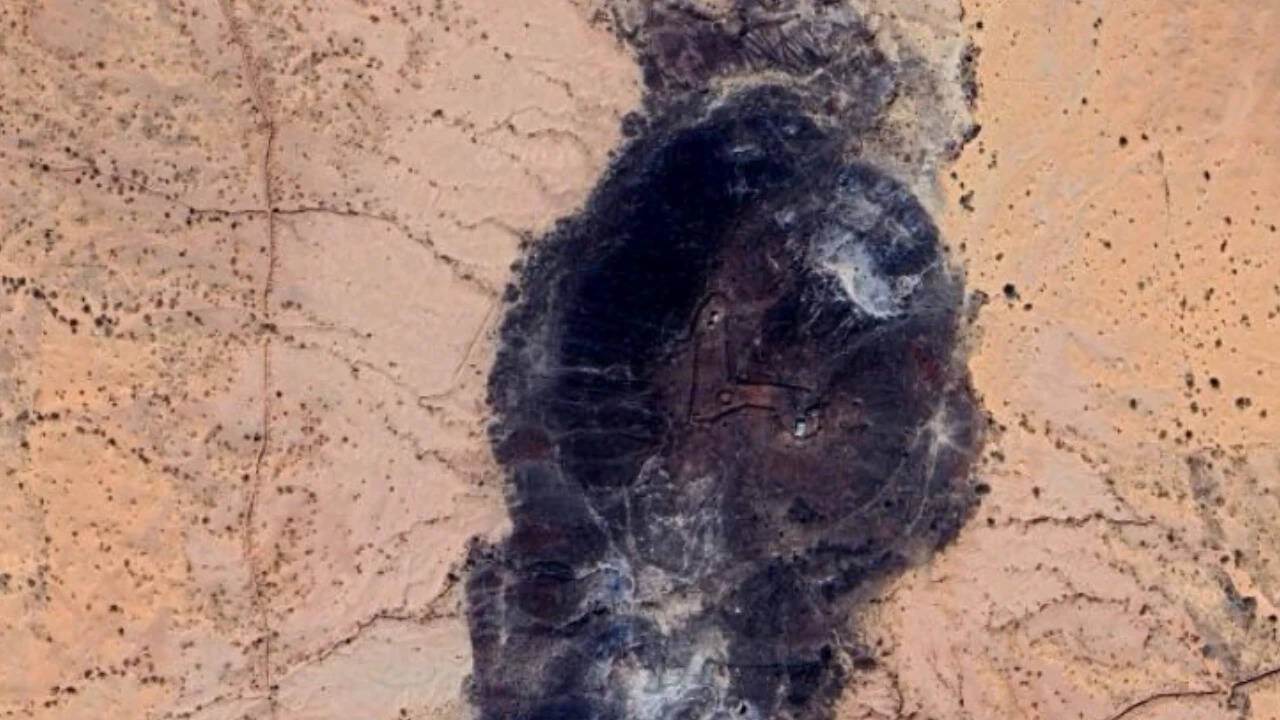
Eighty-two workers lost their lives when a cluster of informal gold mining shafts caved in at the Al-Zaraa mine in Sudan's West Kordofan state. This wasn't an unpredictable act of nature. It was an accident waiting to happen in an industry built on precarious conditions, weak oversight, and desperation. When the dirt walls of tightly packed artisanal shafts give way, they don't just collapse individually; they pull neighboring tunnels down with them in a domino effect.
If you look at how small-scale mining operates across Sudan, the root causes of these recurring catastrophes become painfully clear.
The Grim Reality of Artisanal Mining Networks
Sudan ranks as one of Africa's top gold producers, pulling in tens of tons annually. Yet, a vast percentage of this wealth is dragged out of the earth by hand. Millions of people rely on artisanal mining to survive, especially as ongoing civil conflict and extreme economic pressure squeeze traditional livelihoods.
People flock to makeshift sites like Al-Zaraa near al-Nuhud town because alternatives simply do not exist. When you're facing severe hunger and displacement, digging deep into unstable soil with basic hand tools feels like the only viable option left.
The structural layout of these sites makes disaster almost inevitable. Miners dig narrow shafts mere feet apart from one another. There are no reinforced walls, professional engineering surveys, or proper ventilation systems. When one tunnel buckles under pressure, the ground above shears away, trapping everyone working in adjacent corridors.
Why Rescue Operations Fall Short
When a collapse occurs, every second counts. But survivors and local medical groups face an impossible bottleneck: a total lack of heavy machinery.
During the aftermath at Al-Zaraa, rescue efforts relied almost entirely on handheld tools, makeshift shovels, and sheer physical endurance. Witnesses reported that responders had to dig through tons of shifting sand and heavy rubble by hand because proper excavation equipment wasn't available in the remote region.
By the time rescuers manage to break through, they are often racing against a clock that ran out hours prior. With shafts extending tens of meters underground and air supplies cut off, the chances of finding trapped workers alive drop drastically with each passing night.
Beyond Cave-ins: The Hidden Toxic Threat
The physical danger of a tunnel collapse is only part of the story. Once the raw ore is dragged to the surface, miners face another layer of severe hazards.
Extracting gold nuggets from raw earth requires processing agents like mercury and cyanide. These toxic chemicals are handled casually in informal workspaces, contaminating local soil and water sources. International bodies have tried to clamp down by restricting the export of these substances into Sudan, but enforcement on the ground remains weak. Workers trade short-term survival for long-term chronic illnesses, breathing in chemical fumes and absorbing toxins without basic protective gear.
Stopping the Cycle of Tragedies
Preventing future disasters requires more than expressing shock when a death toll rises. It demands structural reform in how gold is extracted and managed across the region.
Authorities and local community leaders face hard choices. Unregulated mining needs proper oversight, enforced safety codes, and structural reinforcement standards. Until miners are given safer working conditions, economic alternatives, and access to proper equipment, remote desert hillsides will continue to turn into mass graves.
Sudan gold mine collapse kills at least 82 people
This video provides a direct news report on the tragic collapse in West Kordofan and highlights the severe challenges faced by emergency responders on the ground.