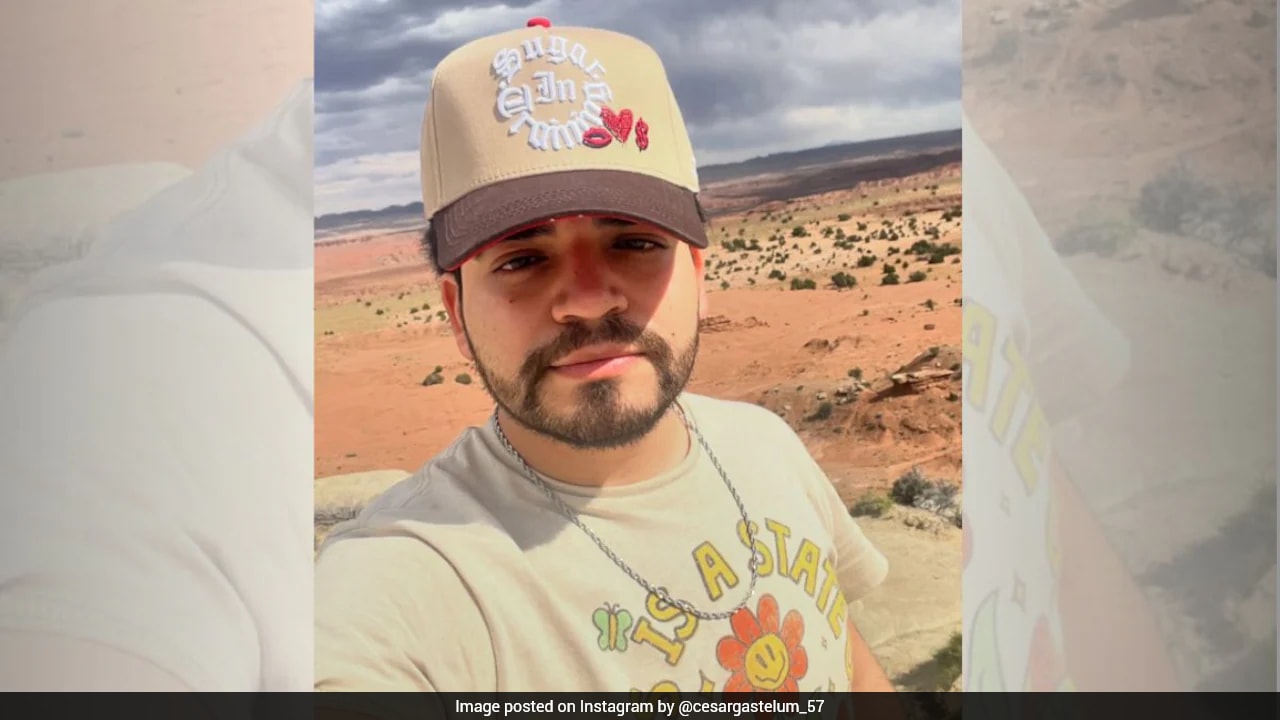
The digital screen does not protect anyone when the realities of urban warfare catch up to the algorithm. On a Tuesday evening in Culiacán, the capital of Mexico's Sinaloa state, 23-year-old TikTok creator Cesar Gastelum discovered this truth in front of hundreds of thousands of digital spectators. While broadcasting live outside a fast-food establishment, two helmeted individuals on a motorcycle pulled alongside his group. In a matter of seconds captured entirely on camera, the violence that has long torn through northwestern Mexico bled directly into the digital feeds of the creator's fanbase.
This execution-style murder is far from an isolated incident. Instead, it marks another grim milestone in a rising tide of violence targeting social media personalities across Latin America. To understand why digital creators are increasingly finding themselves in the crosshairs, one must look past the shock value of the viral video and examine the dangerous intersection of regional organized crime, the economy of attention, and the hyper-public nature of modern content creation. Meanwhile, you can read related developments here: The Battle Over Youm-e-Istehsal Exposes Deep Geopolitical Fault Lines.
The Geography of Risk
Culiacán is not a normal city. For years, it has served as the operational heartland of the Sinaloa Cartel, a transnational syndicate whose internal factional warfare has plunged the region into relentless bloodshed. Following the high-profile arrest and extradition of historic leadership figures, splinter factions have waged a bitter war for territorial dominance. Every street corner, plaza, and commercial district carries hidden lines of sight monitored by lookouts, local enforcers, and rival networks.
When an influencer chooses to broadcast live from a public street corner in Culiacán, they are broadcasting their exact GPS coordinates in real time. For criminal networks that treat information as currency and territory as law, an unsecured public livestream functions as a beacon. The physical vulnerability of standing outside a restaurant or commercial storefront while staring into a smartphone camera creates an unshielded target profile. To see the complete picture, we recommend the excellent analysis by BBC News.
Local authorities and regional security analysts have noted a disturbing pattern. Over the past couple of years, roughly a dozen content creators with varying degrees of local notoriety have been killed under suspicious or overtly violent circumstances in Sinaloa alone. Some of these victims were unfortunate bystanders caught in the crossfire of a city permanently on edge. Others, according to regional intelligence reports, maintained social or financial proximities to the underworld that made them liabilities or targets in factional disputes.
The Digital Echo Chamber and Precedents
The psychological impact of these public executions is magnified by the medium itself. When creators are targeted mid-broadcast, the murder ceases to be a localized crime statistic and transforms into an immediate, global spectacle.
Consider the parallel case of Valeria Márquez, a 23-year-old beauty influencer shot dead during a TikTok livestream inside her own salon in Zapopan, Jalisco. That killing, which occurred in May 2025, shocked the nation and forced investigators to confront how easily digital footprints can be weaponized by professional hitmen. Months later, authorities linked individuals associated with major cartel enforcement cells to that murder, illustrating that the digital exposure of high-visibility targets often overrides traditional layers of personal security.
In Gastelum's case, the mechanics of the attack bore the chilling hallmarks of professional contract killings executed daily across the region. Two men on a motorcycle, precise execution, immediate flight, and zero initial deterrence from surrounding civilian infrastructure. The platform quickly scrubbed the live feed, but the digital ecosystem had already captured the footage, ensuring that the tragedy would circulate unchecked across alternate channels and networks.
The Illusion of Separation
There is a persistent myth in the modern creator economy that digital celebrity confers a layer of immunity. Young creators often operate under the assumption that their follower counts, brand deals, and online personas exist in a separate dimension far removed from physical reality. They believe the screen acts as a shield.
In conflict zones like Sinaloa, that shield is entirely illusory. Criminal syndicates do not respect follower metrics, and algorithms do not negotiate with assassins. The pursuit of engagement—demanding constant outdoor broadcasts, public stunts, and real-time location sharing to feed the metrics machine—directly conflicts with basic personal survival protocols in regions dominated by cartel warfare.
Furthermore, the economic pressures of digital content creation push influencers to court controversy, align with dubious local figures for clout, or project an image of untouchable wealth and status. In regions where extortion and kidnapping are major revenue streams for cartels, projecting high visibility and financial success online can inadvertently paint a target on an individual's back.
The Broader Institutional Failure
The loss of young creators points to a systemic failure of state security and platform accountability. Law enforcement agencies in regions crippled by cartel influence are routinely overwhelmed, outgunned, and structurally compromised. Investigations into the deaths of influencers frequently stall out amid pervasive fear, institutional corruption, and the sheer volume of daily homicides.
Simultaneously, social media platforms profit immensely from the high-engagement nature of livestreams while investing virtually nothing into real-time safety interventions for creators broadcasting from high-risk zones. While automated moderation flags copyright violations or policy breaches within seconds, it offers no tactical warnings, geofencing protections, or emergency response triggers for users walking into active conflict environments.
The death of Cesar Gastelum is a brutal reminder of what happens when the digital rush for algorithmic relevance collides with unmitigated structural violence. As long as platforms reward continuous, uncurated exposure and regional authorities remain incapable of subduing organized crime, the timeline will continue to claim lives offline
Content Creator César Gastelum murdered during live stream at Culiacán restaurant
This news report provides comprehensive context regarding the circumstances of the incident in Culiacán and the ongoing local security situation.
http://googleusercontent.com/youtube_content/1