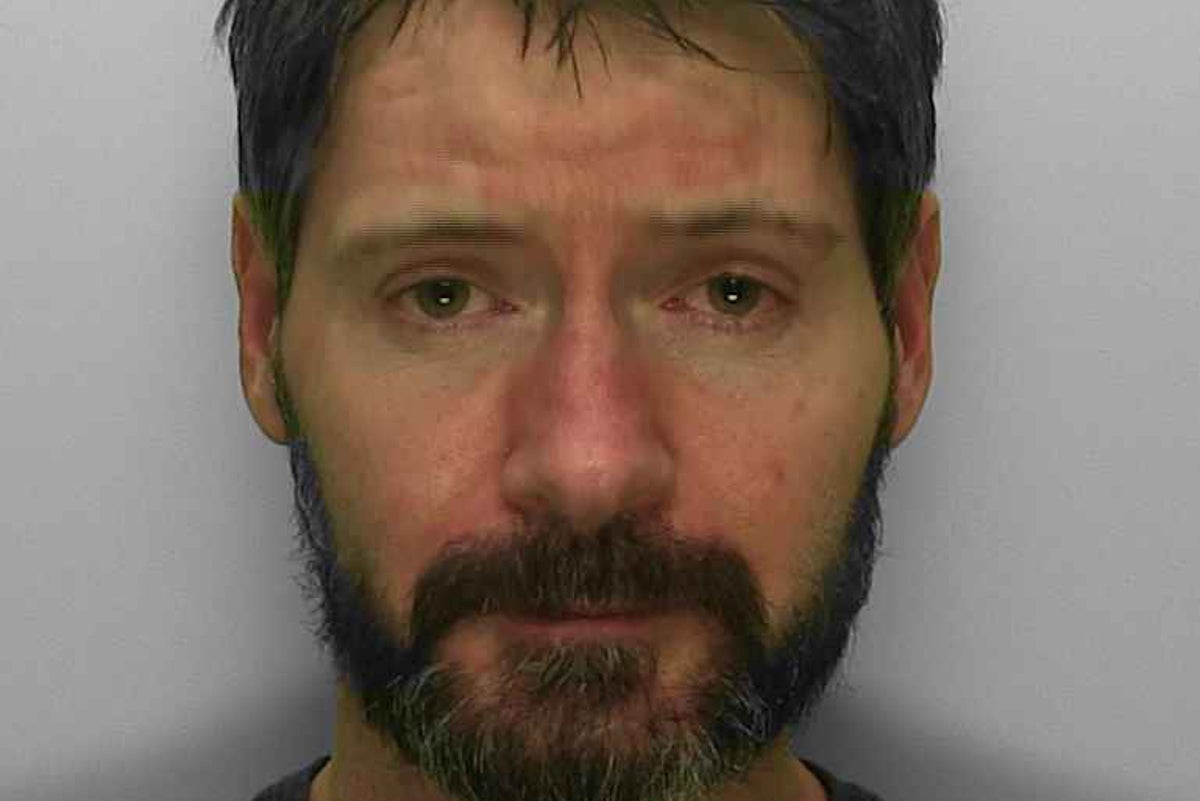
Criminal mastery is usually undone by a single, mundane oversight. For a British fugitive who managed to evade international law enforcement for years, the end of the road wasn't a high-stakes shootout or a complex wiretap. It was a factory-preset email signature. Mark Francis Heley, a man linked to a multi-million dollar "boiler room" fraud, was finally apprehended in the Czech Republic because he sent an email from an iPhone that told the world exactly where he was.
The capture of Heley highlights a growing friction between the anonymity required for high-level crime and the convenience of modern consumer electronics. Heley was wanted in connection with a scheme that stripped elderly and vulnerable victims of their life savings through the sale of worthless carbon credits. When he fled the UK, he did so with the resources to disappear. However, the very technology designed to keep us connected acts as a persistent digital tether.
The Mechanics of the Blunder
Tracking a fugitive across borders usually involves months of surveillance and cooperation between Interpol and local police. In this instance, the heavy lifting was done by an automated footer. When Heley sent an email to an associate, he failed to remove the "Sent from my iPhone" signature. While that phrase seems harmless, the metadata and the network handshakes required to send that message from a specific IP address in Prague provided a localized breadcrumb trail.
Modern investigative units no longer wait for a suspect to make a massive mistake. They wait for the accumulation of small ones. Heley’s use of a personal device connected to a localized network in the Czech Republic allowed authorities to narrow their search from an entire continent to a specific neighborhood. It is a reminder that in a world of encrypted apps and VPNs, the weakest link is often the user's laziness regarding the hardware in their pocket.
Why Digital Literacy is the New Forensic Frontier
Law enforcement agencies have shifted their recruitment strategies. The veteran detective with a gut feeling has been replaced—or at least supplemented—by the digital forensic analyst who can parse header data from an Outlook server. These analysts look for "leakage." Leakage occurs when a user believes they are secure because they are using an encrypted service, but they forget that the hardware or the operating system is still logging location data, Wi-Fi SSIDs, and time stamps.
Heley’s case isn't an isolated incident of tech-illiteracy. It represents a broader trend where criminals rely on consumer-grade encryption, wrongly assuming it makes them invisible. An iPhone is a masterpiece of telemetry. It is constantly communicating with cell towers and GPS satellites to provide the user with a "seamless" experience. For a fugitive, that same convenience is a surveillance dream. Every time the device pings a new tower, it leaves a record that can be subpoenaed or tracked in real-time if the device's unique identifiers are known.
The Prague Connection and the Extradition Trap
The Czech Republic has become an accidental hub for those looking to vanish within Europe. Its central location and relatively open borders within the Schengen Area make it attractive. However, the Czech authorities have tightened their cooperation with British intelligence and Europol. Once the email metadata pointed to a Czech ISP, the net closed rapidly.
The process of extradition is often where the real legal battle begins, but for Heley, the digital evidence was overwhelming. When police raided his location, they found the hardware that matched the signatures. There was no room for plausible deniability. You cannot argue that you weren't in Prague when your own pocket-sized tracking device has been testifying against you for months.
The Ghost in the Machine
We often talk about privacy as a choice, but for someone on the run, privacy is a manual labor task. Most users never look at their settings. They accept the defaults. The default setting for a mobile device is to be helpful, to be vocal, and to be identifiable. To truly disappear, one must fight against the intended design of every piece of technology they own.
Heley’s mistake was treating a smartphone like a neutral tool. It isn't. It is an active participant in the ecosystem of data brokerage. Even without a specific "Sent from my iPhone" signature, the IMAP or SMTP logs would likely have revealed his general vicinity. The signature was merely the smoking gun that made the investigator's job easy enough to finish in an afternoon.
The Financial Trail and Victim Impact
The fraud Heley is accused of wasn't victimless. It was brutal. Boiler room scams operate by creating a false sense of urgency and prestige. Salesmen—often operating from sun-drenched offices in Spain or Eastern Europe—call victims and pressure them into "once-in-a-lifetime" investments. In this case, it was carbon credits. The victims were told they were investing in the future of the planet; in reality, they were funding the fugitive lifestyles of men like Heley.
When these fraudsters flee, they often take the stolen capital with them, laundering it through a series of shell companies and offshore accounts. Tracking the money is difficult. Tracking the man is sometimes easier, especially when he refuses to give up the comforts of his high-end smartphone. The recovery of funds for the victims is rarely total, but the capture of the architect provides a level of closure that the financial ledger cannot.
Technical Oversight vs. Investigative Prowess
There is a temptation to view this as a stroke of luck for the police. That is a mistake. The "luck" was the result of consistent monitoring of every digital touchpoint associated with Heley’s known associates. The police didn't just stumble upon an email; they were likely monitoring the inbox of every person Heley might contact, waiting for a single packet of data to originate from an unexpected location.
This is the reality of modern manhunts. It is a game of attrition. The fugitive has to be perfect every single day. The investigator only has to be right once. In the seconds it took for Heley to tap "send" on a routine message, years of careful hiding were neutralized by a line of text he probably hadn't noticed in years.
The Illusion of the Burner Phone
Many criminals believe that switching SIM cards or using "burner" phones provides a shield. This is a dated concept. Modern ESN (Electronic Serial Number) and IMEI (International Mobile Equipment Identity) tracking means that even if you change the number, the hardware itself is recognizable. If Heley used his primary device with a different SIM, he was still broadcasting his identity to every tower he passed.
The sophisticated fugitive must move to "air-gapped" existence—no cell signals, no public Wi-Fi, no logged-in accounts. But humans are social creatures. We want to check our messages. We want to see the news. We want to use the map. Each of these desires is a vulnerability. Heley’s blunder wasn't just a technical error; it was a human one. He chose the convenience of his device over the rigors of total digital silence.
Surveillance is No Longer Active
In the past, surveillance meant a van across the street. Today, surveillance is passive and ubiquitous. It lives in the metadata of our photos, the signatures of our emails, and the "Find My" features we forget to disable. For law enforcement, the challenge isn't finding the data—it's filtering the noise. Once Heley became the signal, the noise of the rest of the internet fell away, leaving a clear path to a door in the Czech Republic.
Check your own settings. Look at what your device says about you when you aren't looking. For most, a leaked location is a privacy nuisance. For Mark Francis Heley, it was the end of his freedom.