You think you know what prison looks like until you see someone walk out of a black hole. When attorney Nasser Odeh sat down to meet his client, Dr. Hussam Abu Safiya, on July 2, 2026, he didn't see the proud pediatrician who once ran the last functioning hospital in northern Gaza. He saw a ghost.
Abu Safiya was trembling. He couldn't breathe right. He kept slumping over, nearly passing out right there in the visitor room. The skin around his eyes, ears, and neck was so deeply battered and disfigured that Odeh barely recognized him.
"They brought me here to kill me," the doctor whispered. "I don't see myself surviving. This is the end."
This isn't just one bad story from a conflict zone. It's a flashpoint that just triggered a major ruling from the United Nations and pushed Israel’s Supreme Court to demand immediate answers from its own government.
Inside the Black Box of Rakefet Prison
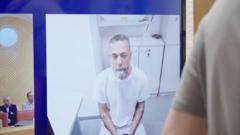
Abu Safiya has spent over 500 days behind bars without a single formal charge or trial. For months, his family watched his health tank via grainy video links during court appeals. But things took a dark turn on June 24, 2026.
Right after Israel’s Supreme Court rejected his appeal to challenge his detention, guards moved him. They put him in solitary confinement at Ganot Prison, and then packed him off to Rakefet, an underground interrogation facility in Nitzan.
Rakefet is a brutal place. Built in the 1980s to break high-level organized crime bosses, it was shut down years ago because the conditions were deemed completely inhumane. No daylight. Zero ventilation. Cells so packed and stuffy that even healthy inmates report choking. Yet, under Far-Right National Security Minister Itamar Ben-Gvir, the state reopened it.
According to Abu Safiya’s legal team, five guards walked into his cell right after his court date. They didn't just rough him up. They used hammers and batons. He says the daily beatings since that transfer have knocked him unconscious multiple times.
The Battle of Labels: Medic or Militant?
Why is a prominent pediatrician sitting in an underground cell? It depends entirely on who you ask, and the gap between the two narratives is massive.
On one side, human rights organizations like Legal Action Worldwide (LAW) and Physicians for Human Rights Israel (PHRI) view Abu Safiya as a hero. He was the director of Kamal Adwan Hospital. He stayed behind to treat patients when the military ordered evacuations. He kept working even after an Israeli drone strike killed one of his own sons. To the medical community, he’s the face of a collapsed healthcare system being targeted by state forces.
On the other side, the Israel Defense Forces (IDF) paint a totally different picture. They claim Abu Safiya isn't just a doctor; they say he holds the rank of colonel in the Hamas Military Medical Services. After his arrest, a 2016 photograph circulated showing him in a Hamas uniform alongside senior leaders of the group. The state argues that his position made the hospital a functional stronghold for the militant group.
Here is the catch: Israel hasn't actually charged him with a crime.
Instead, they are holding him under the Unlawful Enemy Combatants Law. This framework lets the state detain people for renewable six-month blocks based entirely on "confidential material." Neither Abu Safiya nor his lawyer gets to see the evidence. The Supreme Court simply reviews the secret files behind closed doors and signs off on the extension.
Why International Bodies are Stepping In
The silence around these secret detentions just cracked open. On July 6, 2026, the UN Working Group on Arbitrary Detention issued a scathing finding. They stated flatly that Israel’s treatment of Abu Safiya violates the Universal Declaration of Human Rights and the International Covenant on Civil and Political Rights. They want him released immediately and compensated.
They also noted that his case isn't an isolated incident. At least 14 other Gazan doctors are currently sitting in Israeli prisons under similar conditions without charges.
Even Israel's own legal system is feeling the pressure. The Supreme Court just ordered the government to respond within 48 hours to the specific torture allegations. It follows a previous high-court ruling on June 3, which stated that blocking the International Committee of the Red Cross (ICRC) from visiting these detention centers breaks international law. Despite that ruling, the Red Cross still hasn't been allowed in to see him.
The Israel Prison Service keeps denying the abuse claims, calling them "entirely without factual basis." But they won't talk about his health or let an independent doctor look at him, citing privacy.
What Happens Next
The clock is ticking loudly on this case. Vague promises and administrative delays won't work anymore when a prisoner's physical collapse is this well-documented. If you want to follow where this diplomatic and legal showdown goes next, watch these specific indicators over the coming days:
- The 48-Hour Court Deadline: Watch for the state's official response to the Supreme Court regarding the hammer assault allegations.
- The ICRC Access Test: Look to see if Red Cross inspectors are finally granted entry to the Rakefet facility to verify the doctor's condition firsthand.
- Independent Medical Petitions: Human rights groups are filing emergency motions for an outside medical exam. Tracking whether an independent doctor crosses the threshold will tell you exactly how much pressure the judicial system is willing to exert on the prison service.