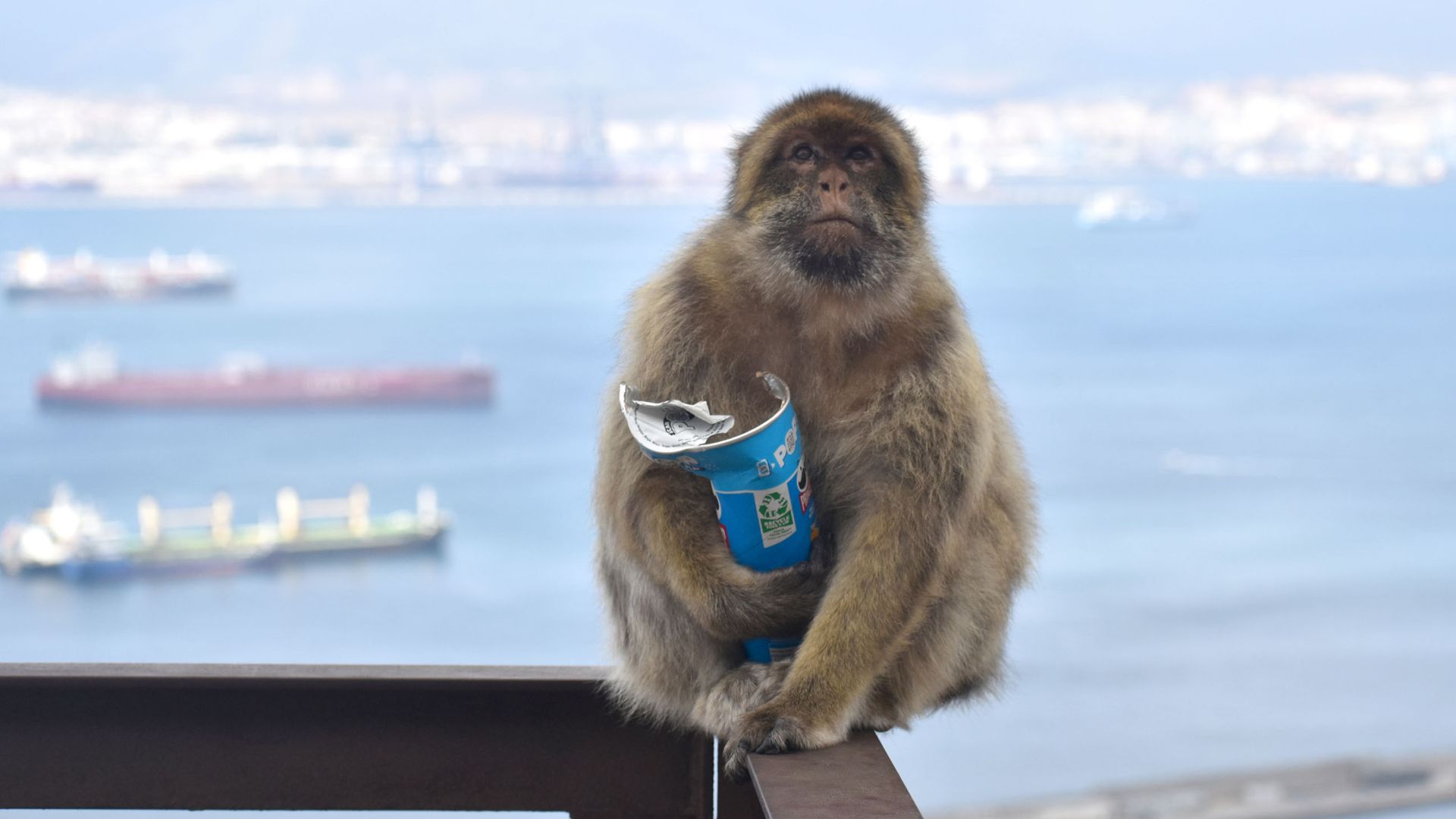
The consumption of calorically dense, nutrient-poor foods triggers immediate homeostatic challenges in both humans and non-human primates. While popular discourse often attributes post-ingestion behavior in macaques and baboons to simplistic "junk food" addiction, the reality is a sophisticated, reactive biological feedback loop. When these animals consume processed items—typically provided by human interlopers—they face rapid glycemic spikes and subsequent metabolic distress. Their subsequent tactical maneuvers to mitigate this distress are not recreational; they are evolutionary adaptations to chemical and mechanical digestive overload.
The Metabolic Cost of Anthropogenic Food Sources
Processed foods distributed in primate habitats fundamentally alter the expected nutrient intake profile. These items are characterized by high concentrations of simple carbohydrates, refined sugars, and non-nutritive bulking agents. In a natural foraging cycle, primates ingest high-fiber, low-glycemic-index plant matter, which requires prolonged mastication and fermentation.
Human-provided snacks bypass these natural throughput controls. The rapid influx of glucose triggers an insulin response that is disproportionate to the metabolic needs of a wild animal. This creates a systemic bottleneck: the liver and pancreas are forced into an acute processing state, while the gastrointestinal tract struggles to reconcile the lack of complex fiber.
The Three Drivers of Gastric Distress
The discomfort experienced by these primates is the result of three specific physiological stressors:
- Osmotic Imbalance: Refined sugars draw water into the intestinal lumen, causing rapid shifts in fluid dynamics and resulting in acute diarrhea or cramping.
- Microbiome Disruption: The sudden introduction of high-fructose corn syrup or artificial emulsifiers can inhibit the symbiotic bacteria required to break down natural cellulose.
- Mechanical Bloating: Lacking the necessary fiber structure to facilitate peristalsis, these food items linger, fermenting prematurely and producing excess gas.
Tactile and Behavioral Mitigation Strategies
Primates respond to this systemic stress using a refined set of behavioral interventions. These are not merely random movements but structured attempts to restore gastrointestinal homeostasis through mechanical and chemical means.
Passive Mechanical Displacement
The most frequent observation is the intentional ingestion of non-nutritive material, such as specific clays, soil, or highly fibrous, bitter plant matter. This process serves as a primitive filtration system. Soil particles, particularly kaolin-rich clays, act as adsorbents. They bind to toxins and metabolic byproducts, neutralizing the acidic environment created by the rapid fermentation of processed sugars.
This behavior mirrors the use of antacids in human pharmaceutical applications. The primates are effectively managing the pH balance of their upper gastrointestinal tract by increasing the mineral content of their bolus.
Kinetic Energy Modulation
Following ingestion, primates frequently enter a period of lethargy or, conversely, highly specific, repetitive locomotor activity. When the metabolic load is high, the body diverts blood flow from the extremities to the digestive tract. The animal’s choice to remain stationary is an efficient energy-management strategy that allows the digestive system to allocate the necessary ATP for the intense processing of sugar-heavy loads.
Conversely, light, rhythmic movement—often observed as low-intensity climbing or foraging—assists in physical transit. This mild physical exertion helps prevent gas from becoming trapped in the intestinal loops, facilitating peristalsis when the body’s internal signaling indicates a slowdown in normal transit time.
Limitations and Physiological Risks
These mitigating behaviors are reactive, not preventative. They do not neutralize the systemic damage caused by consistent exposure to high-sugar environments. Prolonged reliance on these "stomach settling" tactics masks a slow-motion decline in health markers, including insulin resistance, tooth decay, and reproductive suppression.
The strategy of consuming soil or inert materials carries a significant trade-off. While it addresses acute acidity or gas, it introduces the risk of ingesting pathogens, heavy metals, or intestinal parasites present in the soil. Furthermore, the constant diversion of metabolic energy toward managing digestive distress reduces the energy available for social dominance behaviors, grooming, and predator vigilance.
The Evolutionary Mismatch
The core issue is a structural mismatch between the primate digestive architecture and the nutritional profile of human refuse. The gastrointestinal tract of a macaque is optimized for a high-fiber, slow-release nutrient model. When that environment is flooded with refined additives, the existing biological feedback systems—which evolved over millions of years—fail to regulate the intake accurately.
The "tactic" of settling the stomach is the final line of defense in a failed biological model. It is a sign of an organism pushed beyond its homeostatic capacity.
Strategic Operational Forecast
The observed digestive management behaviors in primates indicate a transition toward behavioral modification in response to anthropogenic environmental pressure. Future survival of these primate populations hinges on the stability of their natural resource base versus their adaptation to the human-provided calorie source.
If human interaction remains unchecked, the biological cost will eventually exceed the efficacy of these tactical mitigations. The predictive model suggests that populations currently thriving on anthropogenic caloric supplementation will face a population-level bottleneck, characterized by reduced fertility and weakened immune responses. Strategic preservation efforts must prioritize the total cessation of supplemental feeding to force a return to ancestral foraging patterns, effectively removing the requirement for the gastric mitigation strategies currently being deployed by these species.