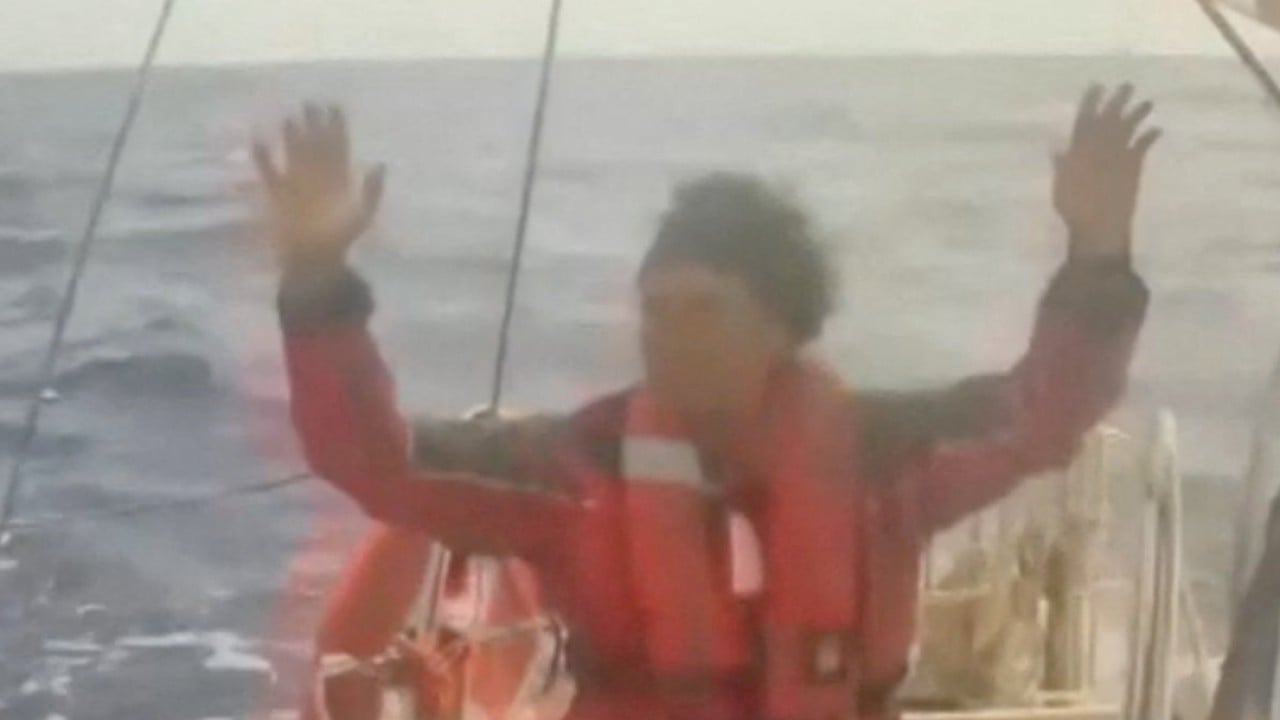
The glare of a smartphone screen in a darkened room can feel like a spotlight. For the activists aboard the Mediterranean-bound aid flotilla, that glare became a digital trapdoor. They set sail with boxes of medicine, sacks of grain, and a shared conviction that their presence could pierce a blockade. Instead, they found themselves transformed into pixels on a minister’s social media feed, their faces circled, their futures bartered in the currency of online political theater.
Geopolitics used to play out in backroom diplomatic chambers or through the heavy-handed movements of naval destroyers. Today, it happens in fifteen-second video clips. When Israel’s National Security Minister uploaded a video identifying specific international activists on the vessel, the message wasn’t delivered through official maritime channels. It was broadcast directly to millions of smartphones, accompanied by a stark, uncompromising promise: these people would face a "long time" behind bars.
This is the reality of modern dissent and state power. The line between law enforcement and public spectacles has dissolved entirely.
The Weight of the Hull
To understand the tension humming through the steel plates of an aid ship, you have to understand the silence of the open water. A vessel carrying humanitarian supplies toward a contested coastline isn't just a transport vehicle. It is a floating political statement. The crew members—teachers, journalists, retired sailors, and human rights advocates from across the globe—know the risks. They understand that engines can fail, that navies can intercept them, and that the sea is indifferent to human suffering.
What they rarely prepare for is the psychological weight of becoming immediate public targets before a single boot touches dry land.
Imagine standing on a deck, salt spray in your face, watching the horizon for patrol boats, only to find out that your passport photo and video likeness are already viral. A minister sitting in an office hundreds of miles away has already tried, convicted, and sentenced you in the court of public opinion. The traditional legal buffer—the assumption of innocence, the quiet processing of detainees, the consulate phone calls—is bypassed entirely.
The video posted online didn't just document a potential border violation. It served as a digital pre-emptive strike. By broadcasting the faces of the activists, the state apparatus effectively closed the door on quiet deportations or diplomatic compromises. It backed itself into a corner where maximum punishment became the only politically viable outcome.
The Mechanics of the Digital Deterrent
Governments have always used deterrence to protect their borders and enforce blockades. Historically, this meant firing warning shots across a bow or displaying overwhelming military force. But iron and gunpowder are expensive, and they look terrible on evening news broadcasts.
Digital exposure is free, instantaneous, and far more corrosive to the human spirit.
When a high-ranking official uses their personal platform to threaten activists with prolonged imprisonment, the target audience isn’t just the people on the boat. The true audience is anyone else thinking about buying a ticket for the next flotilla. It is a psychological barrier erected in the minds of global citizens.
Consider how this alters the nature of activism:
- The Loss of Anonymity: Activists used to rely on the slow turning of bureaucratic wheels to arrange legal defense before their identities were weaponized. Now, exposure happens in real-time.
- The Bureaucratic Escalation: Public promises of jail time put immense pressure on local judges and prosecutors to deliver harsh sentences to maintain government credibility.
- The Chilling Effect: The threat of a foreign prison cell, broadcast without the nuance of legal jargon, isolates the individual from their home country's diplomatic protection.
The ocean feels incredibly vast until the moment you realize your legal fate has been decided by a social media algorithm pushing a video to an angry electorate.
When Politics Swallows the Law
The true danger of this shift lies in how it hollows out judicial institutions. In any functioning legal system, a minister of national security does not determine the length of a prison sentence. That role belongs to judges, bound by statutory frameworks, international maritime laws, and evidence presented in a calm, deliberative environment.
When an executive official announces a guaranteed long-term imprisonment before an arrest has even occurred, the rule of law is replaced by political decree.
The activists on the ship become pawns in a much larger domestic game. For a government facing internal political pressure, showing "strength" against foreign nationals is an easy win. It costs nothing domestically to be cruel to outsiders who have no vote and no local constituency. The video becomes a campaign asset, a piece of content designed to drive engagement, generate likes, and signal unyielding resolve to a domestic base.
Behind the political theater are real people. There is an elderly doctor from Europe who thought he was delivering antibiotics. There is a young videographer recording the voyage for a documentary. There is a cook who volunteered because she couldn't bear to watch starvation on her television screen anymore. They are not military strategists. They are individuals caught in the gears of a geopolitical machine that views them not as humans, but as ideological ammunition.
The sea continues to roll, oblivious to the digital storms raging on the shore. The aid ship moves forward, its wake a straight white line on the dark water, heading directly toward a shore where the cells have already been swept clean, the cameras are waiting, and the sentences have already been written.