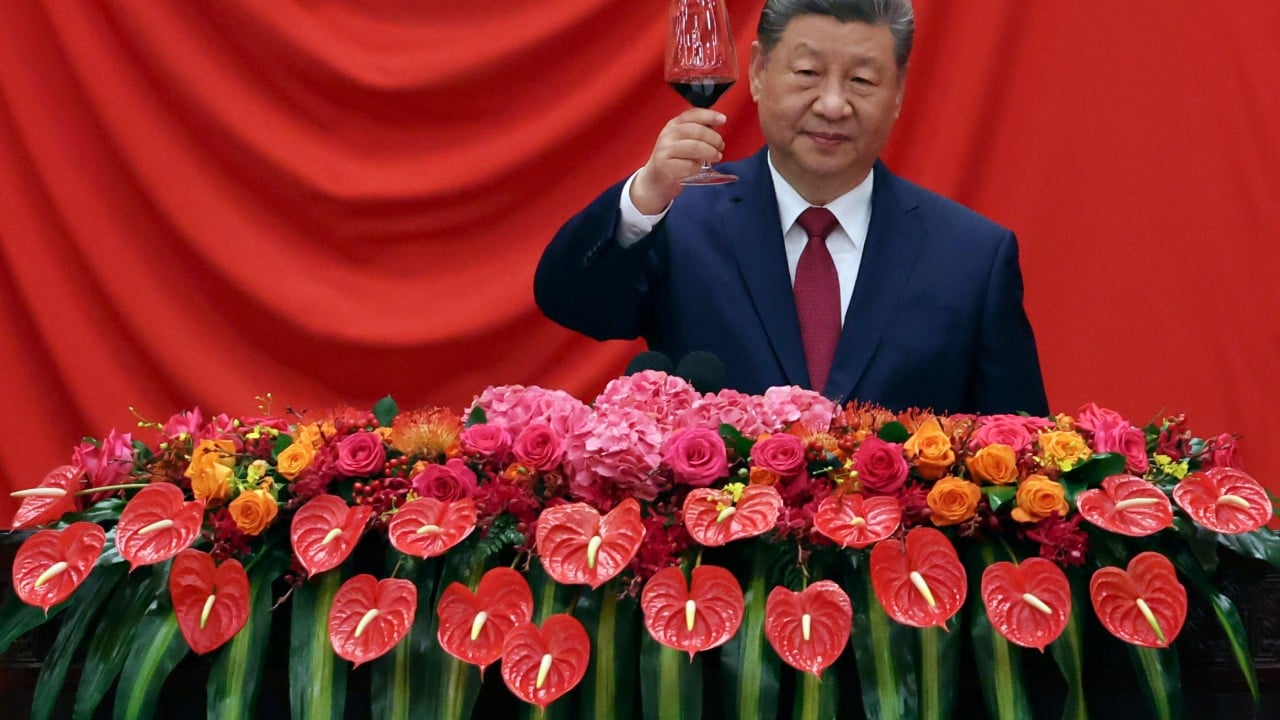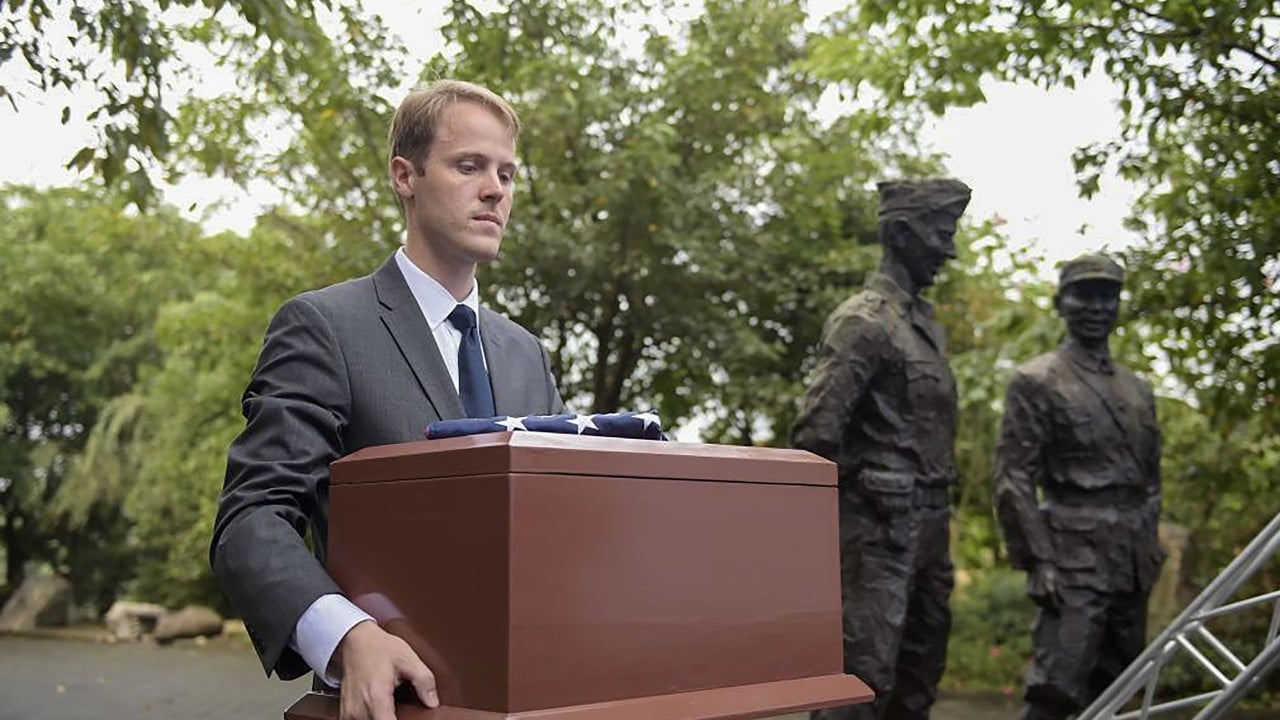
When modern great powers lock horns over trade tariffs, semiconductor supply chains, and territorial sovereignty, the dead rarely command the attention of heads of state. Yet, the agreement between Washington and Beijing to continue joint recovery operations for missing World War II service members cuts straight through the noise of contemporary geopolitics. Nearly seven hundred American personnel remain officially unaccounted for in China from a conflict that ended over eight decades ago. For Donald Trump and Xi Jinping, sealing an accord on these missing remains is not merely a gesture of historical closure. It is a calculated diplomatic instrument designed to carve out a functional, non-contentious channel of communication amid an otherwise toxic bilateral climate.
To understand why this specific humanitarian accord survives the turbulence of modern superpower competition, one must look past the emotional resonance of returning fallen airmen to their families. In the grim calculus of international relations, institutionalized channels of cooperation have a habit of evaporating when diplomatic ties sour. Military-to-military hotlines get ignored, trade delegations cancel visits, and ambassadors are recalled. But recovery operations coordinated through the Defense POW/MIA Accounting Agency (DPAA) and Chinese military archives operate on a different frequency. This framework provides both capitals with a rare diplomatic safe harbor. It is an area where cooperation can proceed without handing either side a strategic concession or exposing vulnerable domestic political flanks.
The timing of these agreements rarely happens by accident. The backdrop of modern U.S.-China-Japan triangular dynamics reveals an underlying layer of historical statecraft. Beijing maintains an active diplomatic posture regarding wartime history, consistently pressing Tokyo to reckon with its twentieth-century militarism, particularly as regional security pacts tighten. By emphasizing the joint blood spilled by American and Chinese soldiers who fought side-by-side against Japanese imperial forces—most notably along the treacherous aviation supply corridor known as the Hump Route crossing the Himalayas—Beijing reinforces a specific historical narrative. It reminds Washington of a time when their national interests aligned against a common enemy, subtly contrasting that wartime partnership with contemporary containment strategies.
For the Trump administration, endorsing this ongoing recovery mission offers distinct domestic and geopolitical utility. Defense hawks and congressional critics frequently demand a rigid, adversarial posture toward Beijing, warning against any form of engagement that smells of appeasement or technological leakage. However, recovering missing American service members remains politically bulletproof. No domestic political faction can easily attack a sitting president for bringing home the bones of young pilots who crashed into Himalayan glaciers eight decades ago. It satisfies a profound moral obligation to military families while keeping the diplomatic door cracked open just enough to prevent total institutional isolation between the two militaries.
Beneath the grand rhetoric of shared anti-fascist history, the mechanics of these operations rely on quiet, persistent bureaucratic endurance. Search efforts require coordination between American forensic specialists and the Chinese People's Liberation Army Archives, alongside civilian entities like private museums and local expedition teams. When recovery teams brave primeval forests and high-altitude glaciers in regions like Tibet and Sichuan, they are executing a protocol that has survived multiple presidential administrations and profound geopolitical shifts since bilateral diplomatic normalization in the late 1970s. This longevity proves that operational necessity can outlast ideological shifts.
Critics argue that treating missing-in-action recoveries as a barometer for bilateral health mistakes symbolism for substance. After all, a cooperative search for bone fragments does nothing to defuse naval friction in the South China Sea or resolve disputes over intellectual property theft and technological dominance. These skeptics are technically correct. A humanitarian pact does not alter the fundamental structural rivalry defining the twenty-first century. Yet dismissing these agreements misses the point of diplomatic architecture. In times of high tension, small, functioning hinges prevent heavy doors from slamming shut entirely.
The agreement to keep searching for missing World War II soldiers endures because both Washington and Beijing find utility in a controlled, predictable arena of engagement. It allows two adversarial superpowers to acknowledge a shared past while managing an uncertain future, proving that even as new Cold Wars take shape, the ghosts of old ones still retain the power to shape the behavior of nations.