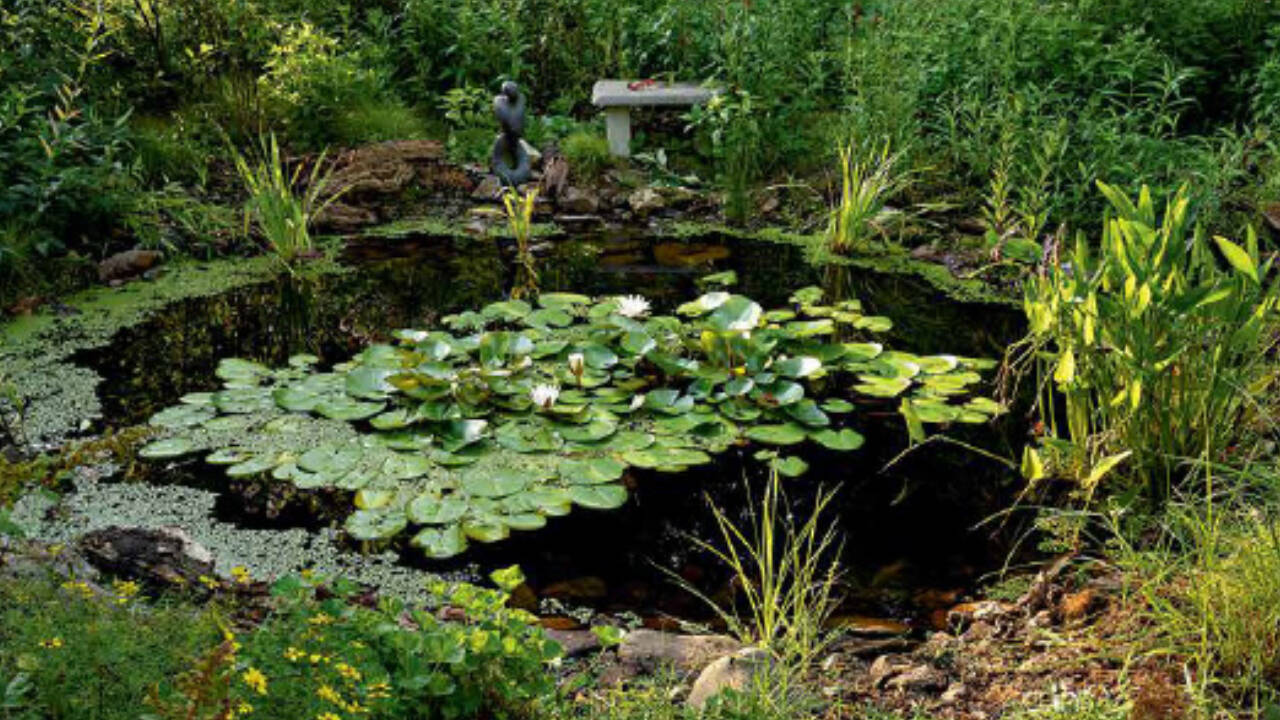
In 2017, a fourteen-year-old high school student in the Shenandoah Valley gripped a shovel, drove the blade into a sterile tract of suburban lawn, and began turning earth for an agriculture class assignment. Nine years later, that isolated excavation site has matured into a complex, self-sustaining aquatic micro-ecosystem teeming with gray treefrogs, green frogs, and native pollinators. While viral media treats the story as a heartwarming human-interest anecdote about a teenager's weekend gardening hobby, the reality runs much deeper. This backyard transformation exposes a fundamental shift in how private residential plots can counteract modern ecological fragmentation.
Urban sprawl and manicured turf grass have quietly sterilized millions of acres of North American land. Traditional suburban development replaces native biological webs with monoculture lawns that demand chemical fertilizers, heavy irrigation, and constant mechanical disruption. When a property owner replaces even a small fraction of that artificial turf with a functional wetland feature, the biological response is immediate. Amphibians, aquatic invertebrates, and migratory birds do not wait for bureaucratic conservation grants or massive state-funded reserves. They locate water and native flora with ruthless efficiency.
Building a functional backyard habitat requires moving past decorative landscaping myths. Most residential water features sold in home improvement centers operate as sterile, chlorinated concrete basins or rubber-lined tubs requiring constant filtration pumps, chemical balance adjustments, and artificial feeding. These decorative elements function more like outdoor swimming pools than biological habitats. True ecological restoration demands a natural-lined basin incorporating proper depth gradients, unwashed fieldstone, and native aquatic vegetation.
An unmanaged backyard trench will quickly turn into an anaerobic mosquito breeding ground if biological controls are absent. Achieving equilibrium requires a precise sequence of ecological mechanics. Early colonizers like American toads and common pond skaters arrive within weeks of filling, but stabilizing the system demands robust vegetative buffers. Species such as buttonbush, Joe-Pye weed, and pickerelweed do more than provide aesthetic appeal. Their root systems filter agricultural runoff, absorb excess nitrogen from neighboring lawns, and supply the structural complexity required for macroinvertebrates to evade predators.
The mechanics of secondary succession operate on predictable timelines. During the initial three years, nutrient spikes cause predictable algal blooms as the raw dirt settles and organic matter accumulates. Without patience, many amateur conservationists panic, applying chemical algaecides that reset the biological clock back to zero. Allowing nature to cycle through these initial phases leads to the establishment of predatory insects like dragonfly nymphs and diving beetles, which naturally regulate mosquito populations far more effectively than any synthetic spray.
Beyond the immediate water's edge, the broader environmental impact relies on habitat connectivity. Biologists tracking urban wildlife corridors frequently note that suburban yards act as absolute barriers for migrating amphibians and small mammals. Monoculture lawns present baking hot, predator-heavy deserts where moisture is scarce. Inserting a moisture-rich node with dense surrounding cover creates a vital stepping stone. A frog navigating a suburban neighborhood can travel between isolated forest patches only if these backyard stopovers exist to bridge the agricultural and residential gaps.
Municipal zoning laws and neighborhood homeowner associations frequently criminalize this exact type of environmental repair. Countless regional ordinances enforce strict turf-height limits, penalize wild growth, and outright ban standing water features due to unfounded municipal fears over pest control. This regulatory hostility forces homeowners to choose between facing administrative fines or maintaining ecologically dead lawns. True ecological reform at the grassroots level requires overhauling these outdated municipal codes to protect private conservation efforts rather than punishing them.
Critics of micro-habitat projects often argue that isolated backyard ponds amount to mere drops in an ocean of environmental degradation, offering zero meaningful defense against planetary climate shifts or widespread habitat loss. That cynical view misses the point entirely. Macro-level conservation strategies frequently fail because they ignore the cumulative potential of millions of square miles of private residential property. When aggregated across entire counties, backyard interventions create vast, decentralized ecological networks that no government agency could ever afford to acquire or manage.
Observing a mature backyard ecosystem nearly a decade after its initial excavation reveals the stark limits of human engineering. You cannot force a biological community into existence through sheer financial investment or corporate greenwashing. It grows out of raw physical labor, biological literacy, and the deliberate decision to surrender a small slice of human territory back to natural processes. The shovel remains the most underrated conservation tool in the modern landscape.