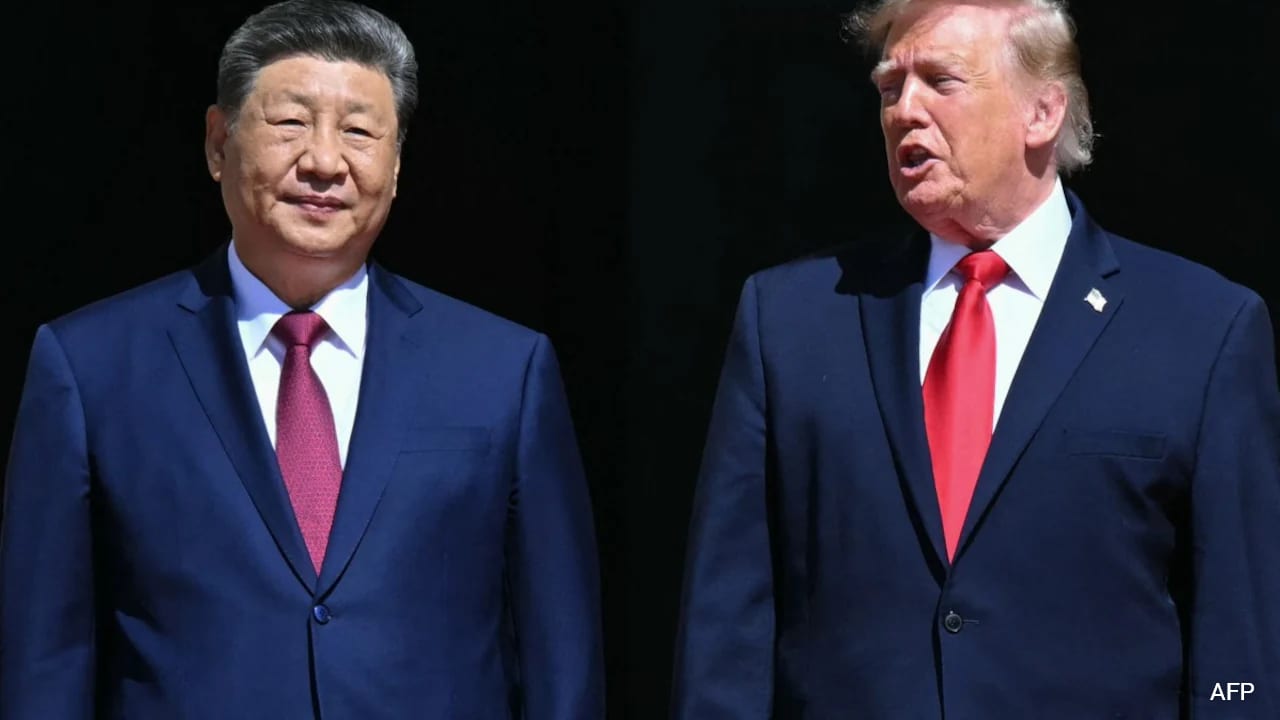
High-stakes diplomacy often looks great on camera, but reality usually bites hard once the microphones turn off. When Donald Trump told reporters at the White House that he had "very, very important" and "hopefully, fruitful discussions" regarding political prisoners with Chinese President Xi Jinping, it sounded like a classic political win. Families of wrongfully detained individuals and human rights advocates naturally perked up. But let's look past the optimistic soundbites. Does a brief mention in the Oval Office actually move the needle for high-profile dissidents and detained foreign scholars?
The reality of US-China negotiations suggests a much more complicated picture.
The Summit Backdrop and the Prisoner Reality
Behind the pomp, red carpets, and carefully choreographed handshakes of Xi Jinping's Washington visit, the structural tension between Washington and Beijing remains completely unchanged. Trump pointed to specific cases involving foreign citizens and prominent dissidents—such as Myanmar scholar and US citizen Min Zin, arrested earlier that year, alongside high-profile figures like jailed Hong Kong media tycoon Jimmy Lai.
Yet, public claims of fruitful talks rarely translate into immediate freedom when dealing with Beijing's judiciary. China views foreign lobbying on domestic legal actions as a direct challenge to its sovereignty. When a foreign leader brings up political prisoners, Beijing's standard diplomatic playbook involves absorbing the message, deflecting the criticism, and altering zero internal policies.
Why Public Posturing Rarely Frees Dissidents
If you study how authoritarian regimes handle political leverage, you realize that private assurances mean very little without hard transactional pressure. Trump has long prioritized securing the release of Americans held overseas, a commendable goal that resonates strongly with voters. Translating that goal into concrete results in Beijing requires more than a passing conversation over a state dinner.
Consider what actually drives prisoner releases in modern geopolitics:
- Concrete concessions on trade tariffs or technology restrictions.
- Quiet, months-long backchannel negotiations led by intelligence professionals rather than public presidential boasts.
- Mutual face-saving mechanisms that allow the host country to release an individual for "medical reasons" rather than bowing to foreign pressure.
When a president announces these talks publicly right after a summit, it often boxes the opposing leader into a corner. Xi Jinping cannot afford to look weak domestically by granting immediate concessions to a US president on national television. Public pressure usually hardens Beijing's stance rather than softening it.
The Missing Pieces in High-Level Human Rights Talks
Trump's focus on individual detained citizens, while vital for those families, routinely sidelines broader systemic abuses. Noticeably absent from the primary readouts of the Trump-Xi summit were deep, aggressive pushes regarding the systemic treatment of Uyghur Muslims in Xinjiang, crackdowns in Tibet, or the sweeping enforcement of security laws across Hong Kong.
Focusing solely on a handful of high-profile cases lets major powers check a box and move on to economic deals. It creates a transactional illusion of human rights advocacy while leaving the wider architecture of political repression entirely intact.
If you're tracking where US-China foreign policy goes next, don't look at the press conference transcripts. Watch for quiet state department updates, actual release confirmations on the tarmac, or sudden shifts in trade enforcement. Real diplomacy happens away from the cameras, and until concrete names walk onto a plane leaving Beijing, a "fruitful discussion" remains just a talking point.