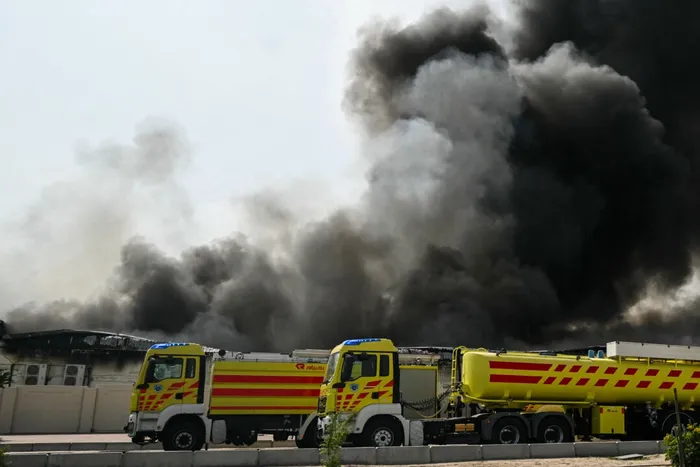
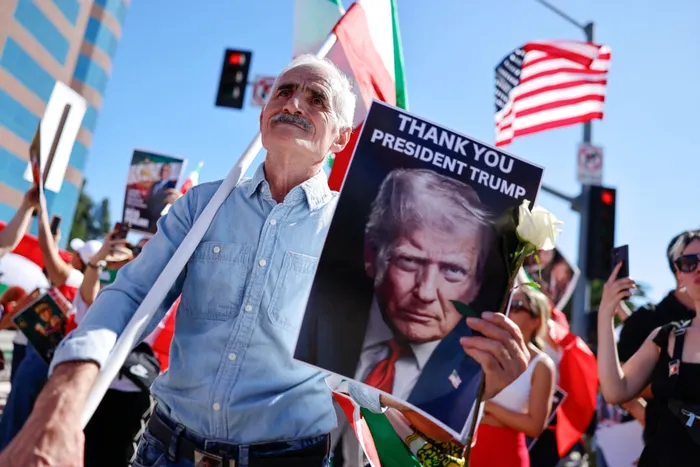
The smoke hasn't cleared, but the timeline is sharpening. Donald Trump just signaled that the current military campaign against Iranian-backed interests isn't a one-off warning. We’re looking at a sustained window of four to five weeks. That’s a massive shift from the "proportional response" rhetoric we’ve heard in the past. It’s a deliberate, grinding approach to degrading capability rather than just sending a message.
If you’ve been following the escalation in the Middle East, you know the cycle. An attack happens, the US retaliates, and everyone holds their breath. This time feels different. The administration isn't just punching back. They’re moving the goalposts. By outlining a month-long window, the White House is telling Tehran that the pressure won't let up just because a few headlines fade.
Why the five week window matters for regional stability
Military operations usually thrive on ambiguity. Generals hate giving end dates. So, when a Commander-in-Chief puts a "four to five week" tag on a strike campaign, he’s doing two things. First, he’s managing domestic expectations. He’s telling the American public this isn't another "forever war," but it’s also not a weekend excursion. Second, he’s trying to psychologically hem in the Iranian leadership.
It puts the Islamic Revolutionary Guard Corps (IRGC) on a clock. They have to decide if they can weather a month of high-intensity precision strikes or if they need to reel in their proxies now. We aren't talking about carpet bombing. These are targeted hits on command centers, drone factories, and munitions depots. The goal is simple: make the cost of using proxies higher than the benefit of the influence they buy.
Breaking down the target list
What actually happens during a five-week campaign? It’s not just about hitting the same buildings twice. It’s a tiered progression.
Initially, the focus stays on immediate threats. Think mobile missile launchers and active drone sites. These are the "archers" shooting at US interests. But as the weeks progress, the targeting usually shifts to the "quivers"—the warehouses and logistics hubs. By week three or four, the US often looks at "leadership nodes." That’s fancy talk for the people making the decisions.
We’ve seen this play out before in different theaters. The rhythm matters. You hit the radar first. Then you hit the hangars. Then you hit the factories. By stretching this out over a month, the US military can use real-time intelligence to see how Iran replaces its gear. It’s a cat-and-mouse game played with multi-million dollar missiles.
The risk of miscalculation is real
You can’t drop bombs for a month and expect the other side to just sit there. That’s the gamble. Critics argue that a prolonged campaign gives Iran too much time to feel backed into a corner. When a regime feels its survival is at stake, it stops acting rationally.
There’s also the proxy variable. Groups like Hezbollah or the Houthis don't always take direct orders from Tehran. They have their own agendas. If a US strike kills a high-ranking local commander, that group might retaliate regardless of what the "five-week plan" says. It’s a powder keg. One stray missile or one high-casualty event can turn a "limited campaign" into a regional conflagration.
The diplomatic fallout of a sustained campaign
Our allies are watching this with a mix of relief and terror. Some regional partners want the US to finally "clip the wings" of Iranian influence. They’ve lived under the shadow of IRGC-backed militias for decades. But they also don't want the blowback. If Iran decides to close the Strait of Hormuz in response to a month of strikes, global oil prices won't just rise—they’ll rocket.
Washington is betting that Iran can't afford a total war. The Iranian economy is already struggling under the weight of sanctions. A month of losing their most expensive military assets without a way to replace them is a heavy hit. Trump is essentially playing a high-stakes game of "chicken," betting that the Iranian leadership values its own grip on power more than it values its proxy networks in Iraq and Syria.
How this affects the average person
You might think this is just "over there" news. It isn't. A five-week military campaign in the heart of the world’s energy supply has direct hits on your wallet. Watch the Brent Crude prices. If they stay stable, the market thinks the US can contain the fire. If they spike, the market is betting on a wider war.
Beyond the pump, this defines the US role in the world for the next decade. Are we the "world's policeman" again? Or are we just protecting our own? The rhetoric coming out of the White House suggests a hybrid. It's an "America First" approach that realizes you can't be first if your global trade routes are under constant drone fire.
Don't expect a neat bow on this in thirty days. Even if the strikes stop on week five, the resentment and the rebuilding start on day one of week six. The "four to five weeks" is a military timeline, but the political consequences will last years. Keep an eye on the carrier strike group movements in the Mediterranean and the Red Sea. Their position tells you more about the true duration of this conflict than any press briefing ever will.
If you're looking to track the impact, monitor the daily briefings from Central Command (CENTCOM). They provide the granular data on what was hit and, more importantly, what the "Battle Damage Assessment" looks like. That’s the real scoreboard.
Stay informed by checking primary sources rather than just social media hot takes. Look for official statements from the Department of Defense and cross-reference them with regional news outlets like Al Jazeera or Haaretz to get a sense of the "ground truth" that might not make it into the Western cycle. The next few weeks are going to be loud. Pay attention to the silence between the strikes—that’s where the real diplomacy is happening.