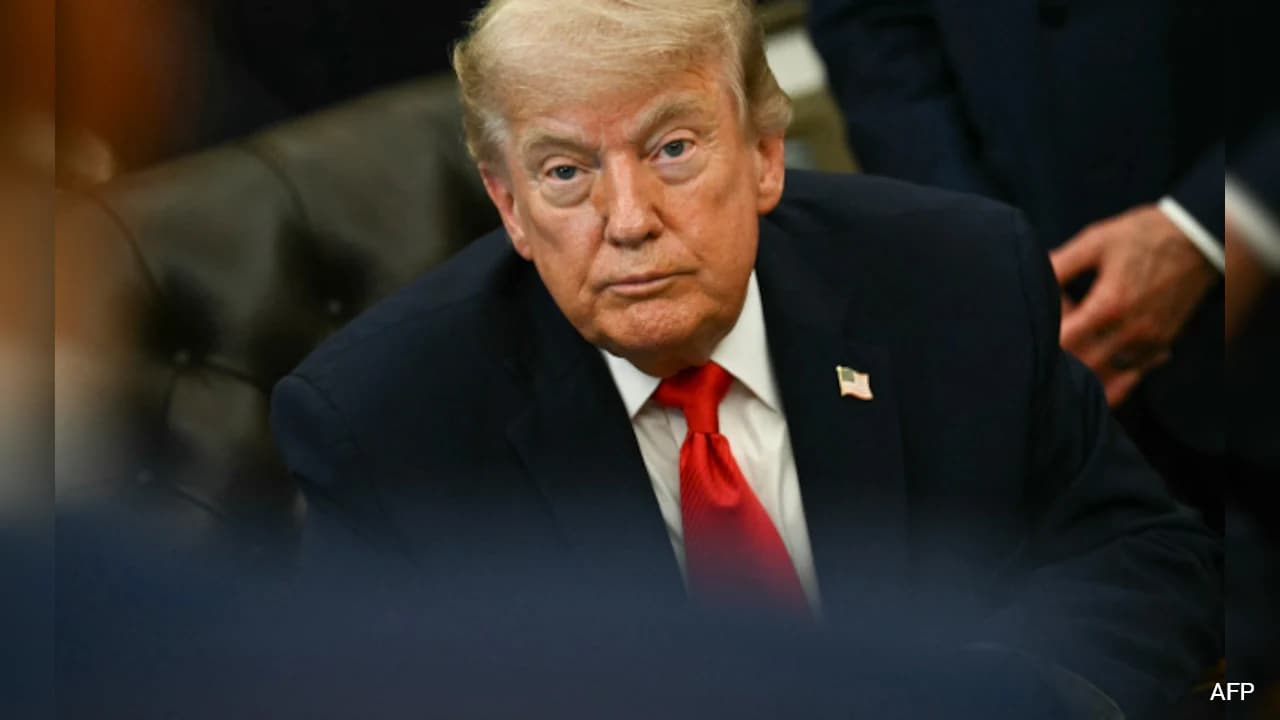
Donald Trump recently stated he would be happy to see Prince Harry and Meghan Markle return to the United Kingdom, adding fuel to an ongoing transatlantic soap opera that bridges high-stakes political maneuvering and celebrity culture. The Republican nominee made these remarks during a wide-ranging media appearance, noting his longstanding distaste for the Duchess of Sussex and pointing out that Queen Elizabeth II was treated disrespectfully by the couple during their dramatic exit from royal duties.
This friction did not materialize overnight. It represents a collision between populist American political rhetoric and centuries-old British monarchical protocols, weaponized by cable news networks and digital commentators on both sides of the Atlantic. To understand why a former American president cares about the residential status of two non-working royals, we have to look past the tabloid headlines and examine the mechanics of grievance culture, modern branding, and political utility.
The Roots of the Transatlantic Feud
The animosity between Donald Trump and Meghan Markle dates back well before she married Prince Harry. During the 2016 presidential campaign, Markle called Trump divisive and misogynistic during an appearance on a late-night television program, stating she would move to Canada if he won. When questioned about these comments during his term in office, Trump offered a characteristically blunt response. He claimed he did not know she was nasty, a remark that set the tone for years of sharp exchanges and mutual disdain.
Prince Harry entered the dynamic later, largely through his marriage to Markle and their subsequent decision to step away from the British royal family in 2020. The couple relocated to Southern California, seeking privacy and financial independence. Instead, they found themselves at the epicenter of a polarized culture war.
Trump has never hidden his admiration for the late Queen Elizabeth II, often recounting his meetings with her as a highlight of his presidency. Consequently, any perceived slight against the British crown by the Sussexes became personal ammunition for him. When Harry and Meghan criticized the royal institution through various media projects, including their explosive interview with Oprah Winfrey and a Netflix docuseries, traditionalists in the United States and Britain viewed the move as an attack on duty and tradition. Trump positioned himself as the ultimate defender of that traditional order, despite his own unconventional lifestyle.
The Visa Question and Political Posture
Beneath the political posturing lies a genuine policy question that has fueled speculation for years. Prince Harry's admission of past drug use in his bestselling memoir, Spare, created a legal vulnerability regarding his United States immigration status. Under standard American immigration law, past drug use can be grounds for visa denial or deportation, leading conservative think tanks to file Freedom of Information Act requests to make Harry's immigration records public.
Trump tapped into this anxiety by suggesting he would not protect the Duke of Sussex if he returned to power. He remarked that Harry would be on his own if immigration officials found discrepancies on his visa application. This threat transformed a localized celebrity feud into a matter of state security and regulatory compliance.
Yet, treating this as a serious immigration enforcement priority misunderstands how high-profile residency works in the United States. Wealth and fame often act as protective shields against routine bureaucratic enforcement. Even if a administration wanted to expel a famous British prince, the diplomatic fallout and legal red tape would make such an action an administrative nightmare. The rhetoric serves a different purpose entirely. It signals to anti-establishment voters that rules apply equally to everyone, even literal royalty, while providing reliable red meat for the media cycle.
Media Ecosystems and the Business of Outrage
The relationship between political figures and media personalities thrives on manufactured conflict. Every statement Trump makes about Harry and Meghan generates millions of clicks, driving ad revenue for digital platforms and ratings for broadcast networks. The Sussexes rely on public attention to fund their commercial ventures, including media production deals and lifestyle brands, while Trump relies on cultural grievances to maintain voter engagement.
This creates a strange symbiosis. The more Trump criticizes the couple, the more relevant they remain in the American consciousness, and vice versa. Neither side actually wants the story to disappear. When Trump says he would be happy to see them return to the United Kingdom, he is not expressing genuine concern for British affairs. He is signaling victory in a culture war skirmish, suggesting that their American experiment has failed and that they belong back in the constrained environment they abandoned.
The Reality of a Potential UK Return
Speculation about Harry and Meghan moving back to Britain ignores the practical realities of their current lives. Their children are growing up in California, their business ventures are anchored in Los Angeles, and the security situation in the United Kingdom remains a major obstacle. Prince Harry has engaged in a protracted legal battle with the British Home Office over police protection for his family during visits home, arguing that he cannot safely bring his wife and children back without taxpayer-funded security.
If Trump were to implement policies that made life uncomfortable for them in the United States, a return to Britain would still require a massive reconciliation with the royal family. King Charles III and Prince William have maintained a frosty distance from the Sussexes. Returning to the United Kingdom would mean stepping back into a hostile British press corps and an unwelcoming royal establishment. The idea of a triumphant return is largely a fantasy spun by commentators who view the situation through the lens of dramatic narrative rather than logistical reality.
Political figures weaponize royal gossip because it resonates with voters who feel alienated by modern cultural shifts. The working-class voter in the American Midwest and the traditionalist in rural England share a suspicion of elite institutions that seem to rewrite the rules for themselves. Prince Harry and Meghan Markle became symbols of that perceived hypocrisy, preaching environmentalism while flying on private jets, and demanding privacy while selling their life stories to the highest bidder.
Trump excels at giving voice to that specific brand of populist resentment. By casting himself as the protector of the British monarchy against its own renegade members, he bridges domestic political grievances with international pageantry. The strategy requires no heavy lifting, just a sharp microphone and an audience eager to watch the drama unfold.
As the political landscape shifts and new cycles replace old controversies, the underlying tensions remain unchanged. Celebrity, politics, and media have fused into a single continuous broadcast where facts matter less than the emotional resonance of the narrative. Prince Harry and Meghan Markle wanted to escape the goldfish bowl of royal life to forge an independent path, but they traded one fishbowl for a much larger, more volatile ocean where political figures like Donald Trump control the currents.