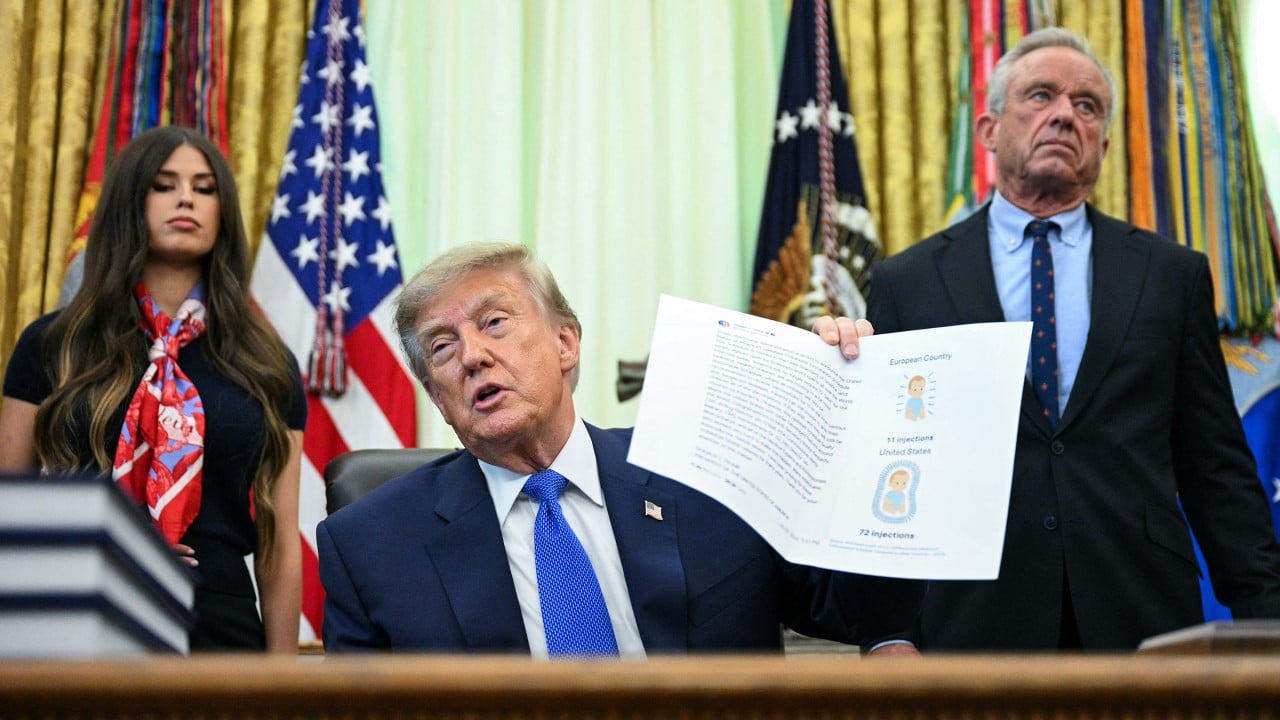
Donald Trump just signed an executive order that changes how federal health policy handles childhood immunizations. If you have kids in school, you might wonder what this means for your next pediatrician appointment. The administration is pushing a major shift in public health. Let's break down what the new policy actually says, why it's causing friction, and what it means for everyday families.
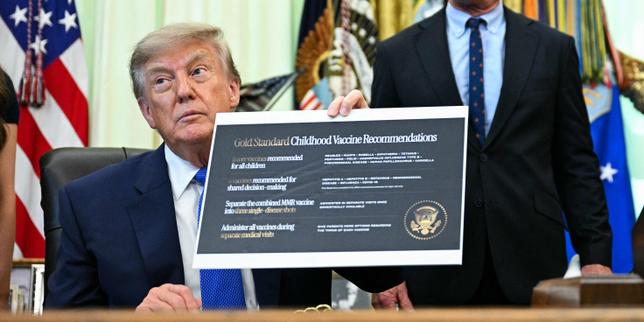
The policy, titled the Gold Standard Childhood Vaccine Recommendations, narrows the list of routine immunizations recommended for every child down from past federal benchmarks to 11 core diseases. Other shots, including those for hepatitis A, hepatitis B, and RSV, are reclassified into a shared decision-making tier meant for high-risk groups. The White House frames this as a way to align American standards with practices seen in peer nations and give parents more flexibility.
Breaking Down the MMR Directive
One of the most striking details in the executive order targets the combined measles, mumps, and rubella vaccine. The administration wants to split the MMR shot into three separate components. Instead of getting a single combination injection, the plan recommends administering them as individual doses across separate medical visits.
There is a massive catch. Standalone versions of these individual vaccines are not currently licensed or widely manufactured in the United States. Merck stopped producing standalone measles, mumps, and rubella shots domestically years ago. For this part of the executive order to happen, pharmaceutical companies have to step up and manufacture entirely new single-antigen products, which requires lengthy regulatory approval from the Food and Drug Administration. Until those products hit the market, the day-to-day reality at your local clinic remains unchanged.
The Debate Over Spacing Out Shots
The administration argues that spreading out immunizations across multiple visits reduces the physical burden on infants and toddlers. Proponents of the change suggest that slowing down the schedule gives parents better control over medical choices.
Medical organizations strongly disagree with this approach. Pediatricians and public health experts point out that splitting shots and requiring extra clinic visits creates logistical hurdles. More visits mean higher healthcare costs, lost time from work for parents, and an increased risk that children will miss subsequent doses altogether. Historical precedents, such as when Japan altered its mumps vaccination guidelines in the 1990s, showed that changing schedules often leads to lower coverage rates and preventable outbreaks.
The American Academy of Pediatrics issued immediate statements calling the new guidelines dangerous and counterproductive. Doctors emphasize that decades of data show combination shots are safe, efficient, and effective at building community-level immunity before children enter daycare and school.
What This Means for Parents Right Now
Policy battles in Washington rarely transform local medical practice overnight. If you are trying to figure out what to do for your family, the immediate guidance from mainstream medical associations hasn't shifted. State-level school requirements, insurance coverage rules, and professional guidelines from groups like the American Academy of Pediatrics continue to support the standard immunization schedule.
Litigation is already tied up in federal courts regarding advisory committee structures and vaccine guidelines, meaning federal rollbacks face significant legal roadblocks. Pharmacists and pediatricians are still operating under established clinical standards while the dust settles.
Talk directly to your pediatrician about your child's health needs rather than relying on shifting political announcements. Map out a schedule that protects your kids while keeping up with state requirements for school entry.