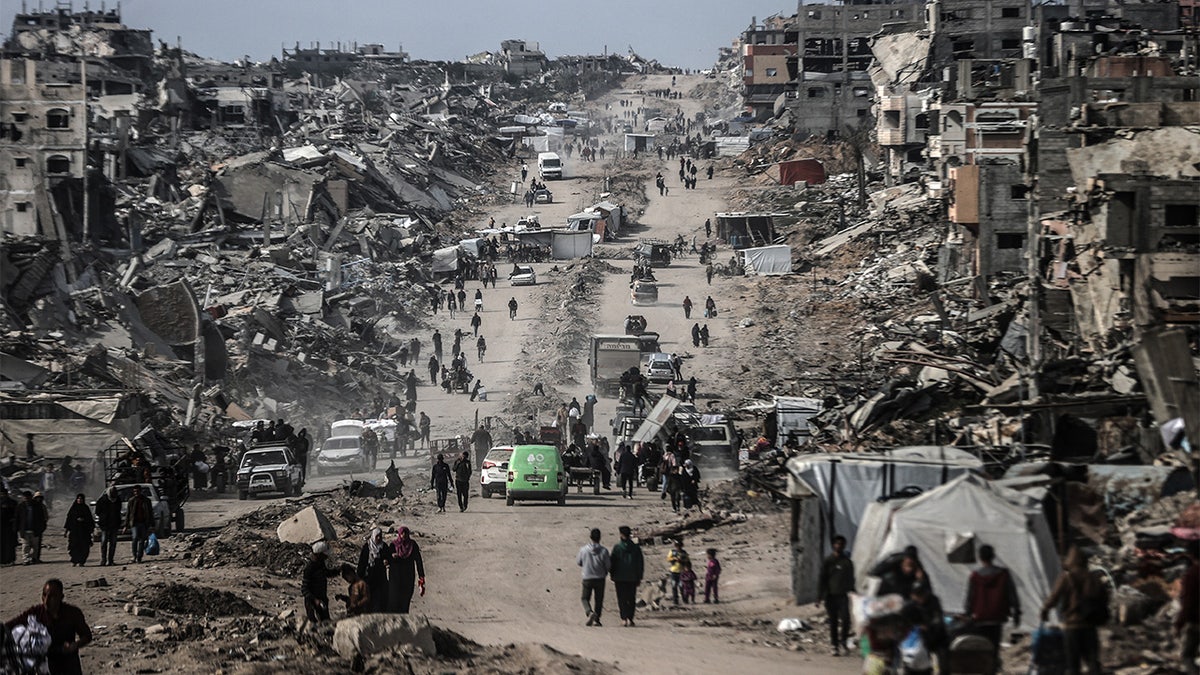
The smoke hadn't even cleared from the crash site in southern Iran before the world started bracing for an all-out explosion. An American F-15E Strike Eagle—a sophisticated, two-seat beast of a fighter jet—was blown out of the sky by Iranian forces. In the hyper-reactive world of geopolitics, this is usually the part where the talking stops and the missiles start flying. But Donald Trump isn't sticking to the old script.
"No, not at all. No, it's war. We're in war," Trump told NBC News when asked if the downing would derail ceasefire talks. It's a blunt, almost jarring admission. While the Beltway's talking heads scramble to define whether this is a "conflict," an "escalation," or a "skirmish," the President just called it what it is. And strangely, he’s using that reality as a reason to keep the phone lines open.
The Reality of Combat vs the Goal of Diplomacy
Most leaders feel they have to "pause" diplomacy to show strength after a loss. They think talking looks weak when your hardware is lying in pieces in the Iranian desert. Trump's logic is the opposite. If you're already in a state of war, the stakes for a deal actually go up, not down. You don't stop negotiating because things got violent; you negotiate because the violence is exactly what you're trying to shut off.
It’s a gritty, unsentimental view of foreign policy. Honestly, it’s refreshing compared to the usual diplomatic doublespeak. We aren't "monitoring the situation." We're in it.
The incident itself was a mess. One crew member was pulled out in a high-stakes rescue mission, while the search for the second continues. The Iranians were quick to beat their chests, with the IRGC claiming they downed an F-35 (it wasn't) and state TV basically putting a bounty on the missing pilot. It’s provocative, it’s dangerous, and it’s exactly why the ceasefire talks are still on the table.
Why This Isn't 2019 All Over Again
Back in June 2019, Iran shot down a US Global Hawk drone. That was a high-altitude, $130 million piece of tech, but it was unmanned. Trump famously called off a retaliatory strike at the last minute because he didn't think killing 150 people was a proportionate response to losing a "robot."
This time, the math is different. We're talking about a manned fighter jet and American airmen. The "proportionality" argument changes when there’s blood in the water. Yet, even with the shift from drones to pilots, the administration is signaling that the objective remains a ceasefire.
- The Search Effort: Black Hawks and C-130s are currently scouring the region.
- The Red Line: Trump's being uncharacteristically quiet about what happens if the missing airman is harmed. "We hope that's not going to happen," is all he’d give the press.
- The Leverage: Iran thinks downing a jet gives them the upper hand. The US is betting that by continuing talks, they show the "Maximum Pressure" campaign hasn't blinked.
The Strategy of Directness
The risk here is obvious. If you say "we're in war" and then do nothing, you look toothless. But if you use that admission to bypass the formal "outrage phase" of diplomacy, you might actually get to a resolution faster.
The Iranians are playing a dangerous game of chicken, likely trying to see how much they can draw out of a potential deal by raising the cost of the conflict. They've already hit steel production and crippled local shipping. They’re feeling the squeeze, and desperate regimes do desperate things—like shooting at F-15s.
What Happens Now
Don't expect the rhetoric to soften, but watch the backchannels. The fact that the White House didn't immediately walk away from the table tells you everything you need to know about the current strategy. They want out of this month-old conflict, but they want out on their terms.
If you're following this, stop looking for the "official" diplomatic statements and start watching the search and rescue updates. The fate of that second crew member is the real hinge point. If they're returned, the talks move forward. If they aren't, "we're in war" stops being a talking point and starts being a directive for the Pentagon.
Keep an eye on the Strait of Hormuz. Trump mentioned it could be reopened "easily" with a little more time. That's the prize. The jet was a tragedy, but the mission is the flow of oil and the stability of the region. Expect the US to keep the search teams active and the negotiators seated, at least for the next 48 hours.