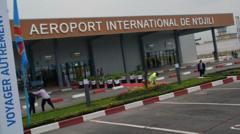
A plane touched down in Kinshasa early Friday morning, carrying fifteen people who probably never expected to see the Democratic Republic of Congo (DRC). These aren't tourists. They aren't returning Congolese nationals either. They are the first group of deportees sent from the United States under a new, quiet arrangement that treats the African continent as a waiting room for Latin American migrants.
It's a bizarre scene. You have people from Peru and Ecuador—some of whom have legal protection from U.S. judges—landing in a country currently struggling with its own massive internal displacement crisis. The DRC government says this is about "international solidarity." Critics say it's a cash-for-migrants scheme that puts vulnerable people in harm's way.
Why the US is sending Latin Americans to Kinshasa
The Trump administration isn't just looking to remove people; it's looking for places to put them when their home countries are too dangerous or uncooperative. The DRC is the latest to join a list that includes Rwanda, Uganda, and Eswatini. The logic is simple and brutal. By paying for the logistics, the U.S. gets to clear its detention centers without the legal headache of returning people to places where they might be killed—or where they have specific court orders preventing their return.
Don't let the "temporary reception" label fool you. While the Congolese Ministry of Communications claims these individuals will only stay for 10 to 15 days in a hotel near the airport, there’s no clear path for where they go next. If they can’t go back to Ecuador or Peru because of the very safety concerns that won them U.S. protection orders, they're essentially stuck in a legal vacuum.
The Washington Agreement and the price of hospitality
Why would the DRC, a country still reeling from decades of conflict in its eastern regions, agree to this? Follow the money and the diplomacy. Last June, the "Washington Agreement" aimed to settle the long-standing violence involving the M23 rebel group. The U.S. acted as the primary mediator.
Now, we see the flip side of that diplomatic coin. The DRC government admits the U.S. is covering every cent of the logistics. It’s a "zero cost" deal for Kinshasa. But "zero cost" only applies to the budget. The social and humanitarian cost is another story. You're bringing people who don't speak the local languages, have no ties to the community, and are likely traumatized by months in U.S. detention into a city that is already struggling to provide for its own.
What happens inside the hotel
Right now, these fifteen deportees—including seven women—are reportedly staying at a hotel alongside regular guests. It sounds civil, but they’re under the watchful eye of Congolese police and private security. Their movement is "relatively free" within the premises, but they aren't exactly tourists on vacation.
Attorney Alma David, who represents one of the deportees, has been vocal about the absurdity of the situation. Her clients fought for months in U.S. courts to avoid being sent back to their home countries. Now, they’re being offered "voluntary" return from a hotel in Kinshasa. It’s a psychological pressure cooker. Stay in a foreign land where you know nobody and have no status, or "choose" to go back to the danger you fled.
The legal mess of third country removals
This isn't just a DRC issue. It's a fundamental shift in how the U.S. handles immigration. By using African nations as middle-men, the administration bypasses traditional asylum pathways.
- Protection Orders: Many of these migrants have explicit orders from U.S. judges protecting them from deportation to their home countries.
- Sovereignty: The DRC claims it has full control over who stays, but in reality, they're following a script written in Washington.
- Precedent: If this works in Kinshasa, expect more flights. The U.S. has already spent over $40 million on these third-country programs.
Honestly, the lack of transparency is the most alarming part. We only know about this flight because of a few leaked reports and a handful of dedicated lawyers. The official statements are polished and talk about "human dignity," but the reality on the tarmac in Kinshasa tells a different story.
What you should keep an eye on
This isn't a one-off event. It's a pilot program for a much larger machine. If you're following international news, watch the "Washington Agreement" progress. Watch for more flights landing in Accra or Kigali before they hit Kinshasa.
The immediate next step for these fifteen people is "individual review" by Congolese authorities. In theory, this means the DRC could grant them some form of status. In practice, it usually means they're pressured to leave. If you care about international law or migrant rights, start asking why U.S. tax dollars are being used to fly Peruvians to Central Africa instead of processing them through the courts they were already in. The plane has landed, but the legal fallout is just beginning.