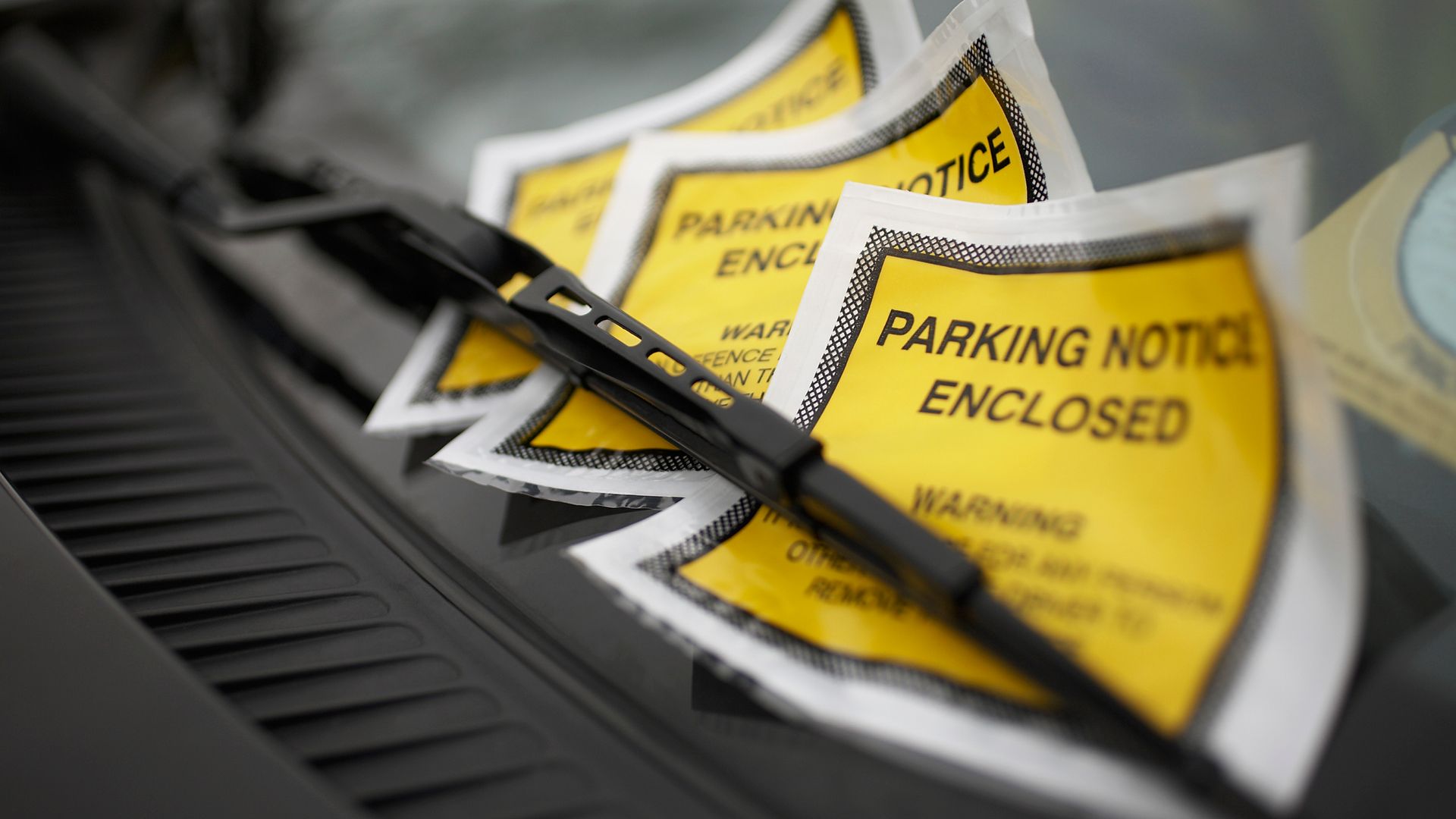
Ever pull into a car park just to check a map, only to get slapped with a charge before you even shift into park? It happens all the time, and honestly, it makes my blood boil.
Drivers across Britain are getting long-awaited protections to challenge unfair private parking fines after the government laid the Private Parking Code of Practice before Parliament in October 2026. The rules promise clearer grace periods, mandatory cancellations or steep reductions for honest mistakes, tighter rules around debt recovery, and real penalties for operators that ignore the rules. In other updates, read about: Why The Tehran Visits Are Just Theater And The Real Borders Tell A Different Story.
Let's get one thing straight right out of the gate. A private Parking Charge Notice isn't a fine issued by a police officer or a council. Legally, it's an invoice claiming you broke contract terms displayed on signs around the site. Yet for years, the private parking sector operated like the Wild West, where drivers often felt bullied into paying just to make the letters stop.
What Actually Changes for Drivers Under the 2026 Code
It took seven years after the Parking (Code of Practice) Act 2019 became law for a statutory government code to reach Parliament, which shows just how fiercely contested this space has been. Once parliamentary scrutiny wraps up and the code comes into force, drivers get concrete rules they can point to rather than vague promises of "good practice". Reuters has analyzed this fascinating issue in extensive detail.
First, you get breathing room at both ends of a visit. Drivers are set to receive at least a five-minute consideration period on arrival to read the signs and decide whether to stay, plus a ten-minute grace period after paid or free time ends. Large free car parks with more than 500 spaces get a ten-minute consideration period, though pre-booked spaces and clearly signed short-stay zones have their own specific rules.
Second, the new framework targets genuine blunders and emergencies. Through the Appeals Charter, charges must be cancelled in full in defined situations—like a vehicle breakdown, a medical emergency, or a broken payment machine—or reduced to £20 in cases involving genuine mistakes. That's a massive shift from paying full freight because you mistyped a single letter of your number plate while standing in the rain.
A charge notice is only worth what a parking operator can prove under the rules—not what an intimidating letter claims you owe.
Third, the rules around appeals and debt collectors are getting tightened up. While drivers still face a 28-day window to appeal, operators will have to consider late appeals when there are exceptional circumstances, such as a hospital stay, family emergency, moving house, or a notice going to the wrong address, and pause enforcement while reviewing them. Escalating to an independent second-stage appeal also pauses debt collection until a decision is made, and operators have to accept that outcome.
Where the Crackdown Falls Short Right Now
Here's the catch if you're hoping for an overnight miracle on every single fee. The maximum parking charge stays frozen at £100, despite consumer groups like Which? pushing for a much lower cap. Critics and motoring groups have also pointed out that the £70 debt recovery add-on isn't wiped out immediately under this step, even though the government has flagged plans to consult on debt recovery fees.
Timing matters too. Because the code was laid before Parliament on 20 October 2026, it goes through a 40-day scrutiny period before it can be issued and then comes into force 21 calendar days after that. That means if you get a ticket today, you can't just wave the brand-new statutory code at the operator and expect instant magic—though the industry's Single Code of Practice already exists in the meantime and covers many similar grace periods and appeal protections.
There's also a debate over whether enforcement has real bite. Parking companies rely on DVLA vehicle keeper data to track down registered keepers. Under the compliance framework backed by UKAS-recognised certification and a Scrutiny and Oversight Board, non-compliant operators risk losing access to that data. Still, enforcement only works as well as the oversight behind it, and drivers will need to watch how smoothly those checks play out on the ground.
Why Most Drivers Still Lose Appeals They Could Win
In my experience watching people fight parking charges, drivers rarely lose because they're wrong. They lose because they panic, wing it, or hand over information too fast.
One classic mistake is paying first and arguing later. Under the 2026 rules, paying generally closes off your appeal unless you had to pay just to exit a barrier car park or new evidence shows operator wrongdoing within 30 days. Handing over cash early usually gives up your leverage.
Another trap is firing off an emotional rant instead of a factual challenge. Parking appeals aren't won by calling the operator greedy—as true as that might feel. Adjudicators look at timelines, signs, payment logs, grace periods, and whether the operator followed proper procedure.
Camera timings are another sneaky culprit. ANPR cameras clock when your car crosses the entrance and exit, not when you actually found a bay or sat stuck in a queue trying to get out. If a ten-minute queue eats half your "free" window, that timeline is worth scrutinizing closely.
What You Should Do If You Get Hit With a Charge
If a private parking charge notice lands on your windscreen or drops through your letterbox, don't ignore it and hope it vanishes. Unpaid private charges can snowball with extra fees and eventually end up in court if ignored completely. Instead, treat it like a calm, methodical paperwork exercise.
- Gather proof immediately: Keep the notice, envelope, card or app payment receipts, breakdown or hospital records if relevant, and take clear photos of the signs, entrance, exit, and bay markings before anything changes on site.
- Check the exact dates and rules: Confirm whether the statutory code is active yet or whether the industry Single Code applies on the date of the incident, and check grace periods, signage clarity, and keeper notice rules.
- Submit a clear written appeal: Stick to the facts, quote the relevant code protections or evidence, include your reference and registration details, and keep copies of every message and timestamp.
- Escalate if rejected: If the operator turns down a valid appeal, use the accredited independent appeals route—such as POPLA or the relevant trade body process—before considering payment or next steps.
You can read the government's Private Parking Code of Practice 2026 Explanatory Memorandum directly on GOV.UK to check the official timeline and compliance rules. Knowing the exact rules turns a stressful letter into a fight you actually have a shot at winning.