Most people outside Hong Kong think a prison sentence under the 2020 National Security Law is absolute. You get nine years, you serve nine years. End of story.
Except it isn't.
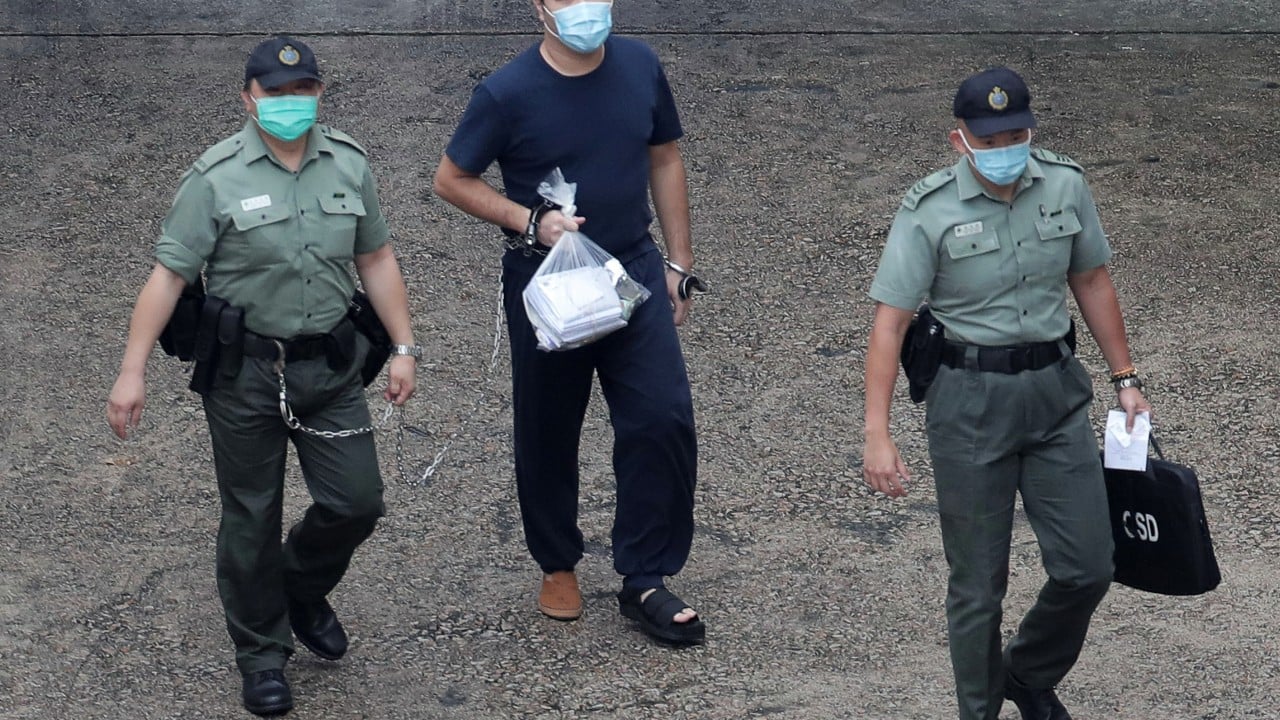
Reports from Hong Kong media outlets, citing unnamed law enforcement and correctional sources, indicate that Tong Ying-kit—the very first person convicted under Beijing’s sweeping 2020 National Security Law (NSL)—was among four national security prisoners recently granted early release. If you haven't followed the granular mechanics of Hong Kong's prison system since the 2024 passage of Article 23, this news probably feels contradictory. Why would authorities suddenly let their highest-profile NSL convict walk out early?
The answer isn't sudden leniency. It's a calculated legal mechanism tied to prison remissions, behavioral assessments, and a strict post-release supervision regime that keeps former inmates on a razor-thin leash.
Who Is Tong Ying-kit and Why Does His Case Matter?
To understand why Tong's release is turning heads among legal observers, you have to look back at July 1, 2020. That was the exact day the National Security Law took effect.
Tong, then a 23-year-old waiter, rode his motorcycle into a group of police officers during a protest in Wan Chai. Attached to his bike was a black flag bearing the protest slogan "Liberate Hong Kong, revolution of our times." Three officers were injured.
His trial set the legal blueprint for every national security prosecution that followed. There was no jury—a sharp break from Hong Kong’s centuries-old common law tradition. Instead, a panel of three judges handpicked by the Chief Executive heard the case. In July 2021, they found Tong guilty of inciting secession and engaging in terrorist activities, handing him a nine-year prison sentence.
He became the symbol of the new era. When legal analysts in London, Washington, or Tokyo wanted to explain how Beijing had reshaped Hong Kong's judiciary, they cited HKSAR v. Tong Ying-kit. Watching him leave prison ahead of his full nine-year term forces observers to look closely at how Hong Kong's Correctional Services Department (CSD) actually manages national security inmates behind closed doors.
How Early Release Works Under Hong Kong’s Tougher Laws
Here is where most commentary gets tripped up. Under standard Hong Kong prison rules, inmates have historically been eligible for up to a one-third sentence remission for good behavior. On a nine-year sentence, a one-third reduction knocks off three years, putting a release window right around the six-year mark—or slightly earlier when factoring in pre-trial detention time, which Tong served starting in July 2020.
That timeline math checks out. Tong was arrested in July 2020. Six years from his arrest puts him right in mid-2026.
The catch is that early release is no longer automatic for national security offenders. In March 2024, Hong Kong enacted the Safeguarding National Security Ordinance, locally known as Article 23. That legislation amended the Prison Rules specifically to block automatic good-behavior remissions for anyone convicted of national security offenses.
Under the tightened rules, the Commissioner of Correctional Services cannot grant an early release unless they are personally satisfied that the prisoner will not pose a threat to national security.
Let that sink in. Getting out early after Article 23 isn't just about keeping your head down and avoiding fights in the prison yard. It requires passing an ideological and security clearance check conducted by correctional officials and national security police.
What Happens to the Four Released Prisoners Now?
Alongside Tong, sources indicated three other individuals convicted in separate national security cases were included in the early release group. While authorities rarely publish formal press releases naming individuals released on remission due to privacy policies, the Correctional Services Department routinely confirms that all releases follow established statutory procedures.
Walking out of Stanley Prison or any other maximum-security facility in Hong Kong doesn't mean walking away from state oversight. Far from it.
Under the amended Post-Release Supervision of Prisoners Ordinance, inmates granted early release from national security sentences face strict supervision orders. Think of it as parole with heavy national security teeth. While exact individual conditions aren't made public, standard supervision frameworks in Hong Kong can include:
- Mandatory regular reporting to designated supervising officers
- Restrictions on place of residence and prior approval before changing jobs
- Bans on contacting certain individuals or participating in specific public gatherings
- Immediate recall to prison without a new trial if supervising authorities determine the person breached conditions or poses a renewed security risk
Basically, early release trades a concrete cell for an invisible perimeter. For the authorities, it serves a dual purpose. It demonstrates that the system rewards compliance and "rehabilitation" programs run inside prisons, while keeping former convicts under legal obligation to stay completely out of politics.
The Rehabilitation Push Inside Hong Kong Prisons
If you want to understand how someone goes from being convicted of "terrorism" to being cleared as "no threat to national security," you need to look at what the CSD has been doing inside its facilities since 2021.
Correctional officials launched dedicated deradicalization and rehabilitation programs aimed specifically at people convicted over the 2019 protests and subsequent NSL cases. According to public statements from Hong Kong's Security Bureau and CSD officials over the past few years, these programs focus on three areas:
- Psychological counseling to address impulsive behavior and emotional regulation.
- Chinese history and national education workshops designed to reshape how inmates view Hong Kong's constitutional relationship with Beijing.
- Vocational training so released prisoners can re-enter the workforce immediately rather than drifting back into activist circles.
Critics and overseas human rights groups argue these programs amount to political re-education, noting that prisoners have massive incentives to tell officials what they want to hear when years of freedom hang in the balance. Supporters of the government's approach counter that every modern prison system uses behavioral and civic programs to reduce recidivism.
Whatever you call it, the mechanism works as intended from the state's perspective. Inmates who participate, show remorse, and avoid outside political advocacy can eventually clear the high bar set by Article 23. Those who refuse or maintain defiant public stances serve every single day of their sentence.
Why Authorities Don't Broadcast These Releases
You might wonder why this news broke via unnamed sources in local media rather than an official government briefing. That silence is deliberate.
Hong Kong's Security Bureau avoids turning individual releases into media spectacles. Announcing release dates in advance risks drawing press crowds, sympathetic supporters, or foreign diplomats to prison gates—precisely the kind of public attention authorities want to extinguish. Keeping releases quiet lowers the political temperature and prevents released individuals from becoming rallying symbols all over again.
When journalists press the Correctional Services Department for confirmation on specific names, the standard response cites the Personal Data (Privacy) Ordinance, refusing to confirm or deny details about individual inmates while reiterating that every case strictly follows the law.
What You Should Watch For Next
If you're tracking Hong Kong's legal and political trajectory, Tong Ying-kit's reported release isn't an isolated curiosity. It's a test case for dozens of other national security prisoners currently serving multi-year terms—including defendants from major cases like the Hong Kong 47 pro-democracy primary trial, who received sentences ranging from four to ten years in late 2024.
Pay attention to three indicators over the coming months:
- Whether other high-profile NSL defendants receive remissions as they hit the two-thirds mark of their sentences, which will show whether Tong's release is a broader policy pattern or a narrow exception.
- How strictly post-release supervision orders are enforced, particularly whether any released inmates are ever recalled to prison for social media activity or informal meetings.
- Public statements from the Security Bureau regarding the success metrics of its prison rehabilitation programs, which officials increasingly point to when defending Hong Kong's human rights record to international business and diplomatic audiences.
Check official gazettes and court records from the Hong Kong Judiciary and Security Bureau briefings rather than relying solely on social media speculation—because in post-2020 Hong Kong, the real legal shifts happen quietly in administrative procedures long before anyone makes a speech.